




























.jpg)
1) What it is
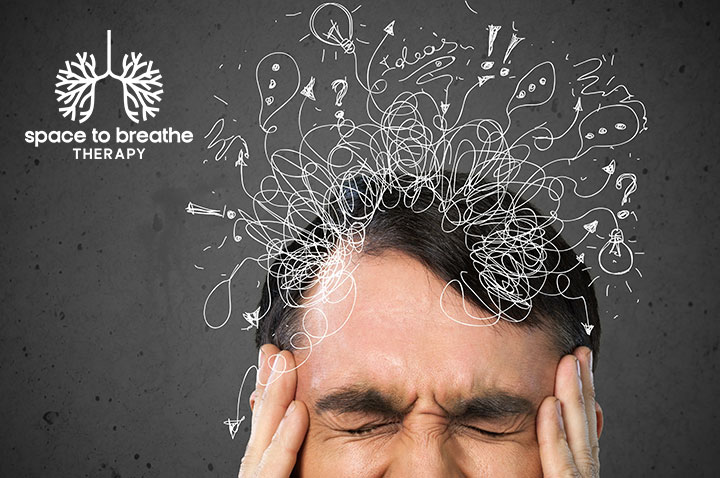
Racing thoughts are fast, repetitive, and intrusive thoughts that feel difficult to slow or stop. They often occur during anxiety, stress, insomnia, ADHD, OCD, panic disorder, or bipolar-related states (especially hypomania or mania).
2) What it feels like
- “My mind won’t switch off.”
- “Thoughts are jumping everywhere.”
- “I can’t focus on one thing.”
- “I’m mentally exhausted.”
3) Common signs & symptoms
- constant mental chatter
- thoughts rapidly switching topics
- overthinking conversations or actions
- mental fatigue and irritability
- difficulty sleeping due to busy mind
- restlessness or agitation
4) Why it happens (causes & risk factors)
- anxiety and stress overload
- excessive caffeine or stimulants
- lack of sleep and burnout
- ADHD fast processing
- depression or anxiety loops
- mania or hypomania (especially with high energy and reduced sleep)
5) Triggers
- stress or pressure
- bedtime or quiet moments
- caffeine or stimulant use
- lack of routine
- emotional overload
6) What helps now
- brain dump: write everything down for five minutes
- worry parking: “I’ll return to this tomorrow at 10am”
- slow-down breathing: in 4 → hold 2 → out 6
- reduce stimulation (dim lights, no scrolling, gentle sounds)
7) Daily self-help support
- single-task rule: choose one small task and complete it
- consistent sleep and wind-down routines
- regular movement and daylight exposure
- limit stimulants
8) Professional treatment options
- CBT for anxiety and overthinking
- ADHD assessment and support if relevant
- sleep support programmes
- mood assessment if bipolar features are present
9) Medication
Medication may help if racing thoughts are linked to anxiety, ADHD, sleep disorders, or mood conditions, guided by a GP or psychiatrist.
10) Practical tips
- racing thoughts signal nervous system overload
- slowing the body slows the mind
- structure reduces mental noise
- rest is protective
11) When to seek urgent help
Urgent help if:
- thoughts become distressing or frightening
- sleep loss becomes severe
- behaviour becomes impulsive or risky
- reality feels distorted
12) Where to get help (UK)
- NHS Talking Therapies
- GP support if symptoms are severe, worsening, or disruptive

A-Z Mental Health
Health Support Directory
Practitioners & Contributors Directory
Depression & Emotional Distress
Substance Misuse
Understanding Grief
Neurodiversity
LGBTQ+
Physical Health & Body Awareness
Food Nutrition & Mental Health
Disability in the Workplace & Career Support
Inspirational Content
Fun & Interactive
Video and Audio
Men’s Mental Health
Trauma
Eating Disorders
Courses and Learning Hub
Social Media
Product Advertisements
Legal and Rights Information





