























.jpg)
1) What it is
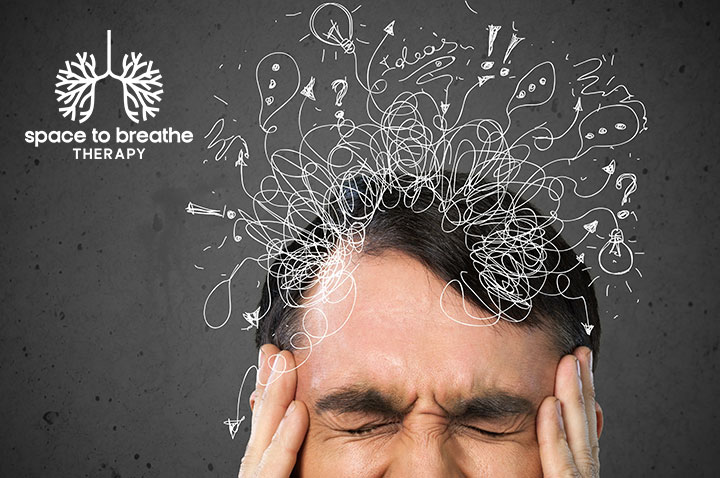
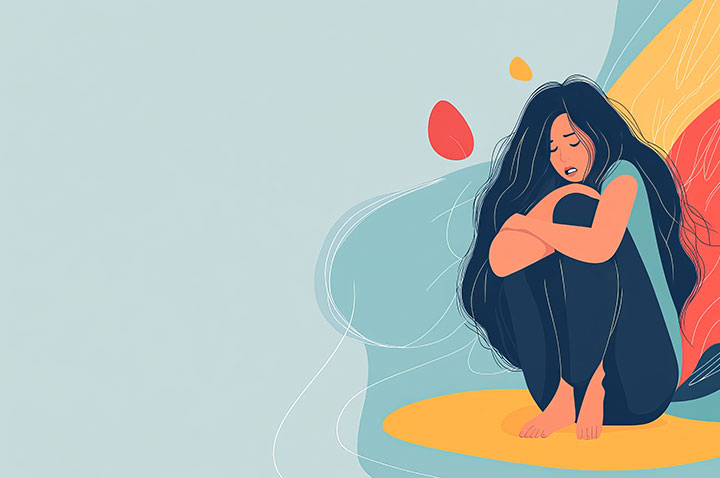
Rejection Sensitive Dysphoria (often shortened to RSD) describes intense emotional pain triggered by feeling rejected, criticised, embarrassed, or not “good enough”. The reaction can feel sudden, overwhelming, and deeply personal, even when the situation seems small to others. RSD is commonly linked to ADHD, autism, trauma history, anxiety, and low self-worth.
2) What it feels like
- “I’ve done something wrong.”
- “They don’t want me.”
- “I can’t cope with this feeling.”
- “I feel exposed and ashamed.”
3) Common signs & symptoms
- extreme hurt after criticism (even gentle feedback)
- people-pleasing or avoiding situations to prevent rejection
- rapid shame responses
- overthinking messages, tone, or facial expressions
- sudden anger, tears, or emotional shutdown
- fast belief of “I’m not wanted”
- avoiding relationships or opportunities due to fear of judgement
4) Why it happens (causes & risk factors)
- past rejection, bullying, criticism, or neglect
- ADHD-related emotional intensity and sensitivity
- trauma and attachment wounds
- low self-esteem and perfectionism
- high stress or burnout
5) Triggers
- feedback or correction
- perceived silence or withdrawal
- comparison with others
- social interactions or conflict
- feeling ignored or misunderstood
6) What helps now
- pause and name it: “This is RSD pain, not proof I’m unwanted.”
- reality-check statement: “My feelings are real, but my fear is louder than the facts.”
- balanced thought tool: trigger → fear story → evidence → calmer explanation
- nervous system soothing (cold water, slow breathing, weighted blanket, walking)
7) Daily self-help support
- practise self-compassion regularly
- reduce avoidance patterns gently
- build emotional regulation skills
- ask for clarification rather than assuming rejection
8) Professional treatment options
- ADHD coaching and emotional regulation support
- CBT for thought patterns and self-esteem
- Compassion Focused Therapy (CFT)
- trauma therapy if rejection fear is trauma-based
9) Medication
Medication does not treat RSD directly, but may help underlying ADHD, anxiety, or depression, under GP or specialist guidance.
10) Practical tips
- intense reactions do not mean weakness
- sensitivity is a trait, not a flaw
- clarity reduces spirals
- reassurance-seeking can keep RSD going
11) When to seek urgent help
Urgent help if:
- emotional pain feels unbearable
- self-harm urges appear
- reactions lead to unsafe behaviour
- distress becomes constant
12) Where to get help (UK)
- NHS Talking Therapies
- GP support (especially if linked to ADHD or anxiety)
- Mind information and local services

A-Z Mental Health
Health Support Directory
Practitioners & Contributors Directory
Depression & Emotional Distress
Substance Misuse
Understanding Grief
Neurodiversity
LGBTQ+
Physical Health & Body Awareness
Food Nutrition & Mental Health
Disability in the Workplace & Career Support
Inspirational Content
Fun & Interactive
Video and Audio
Men’s Mental Health
Trauma
Eating Disorders
Courses and Learning Hub
Social Media
Product Advertisements
Legal and Rights Information





