


























.jpg)
1) What it is
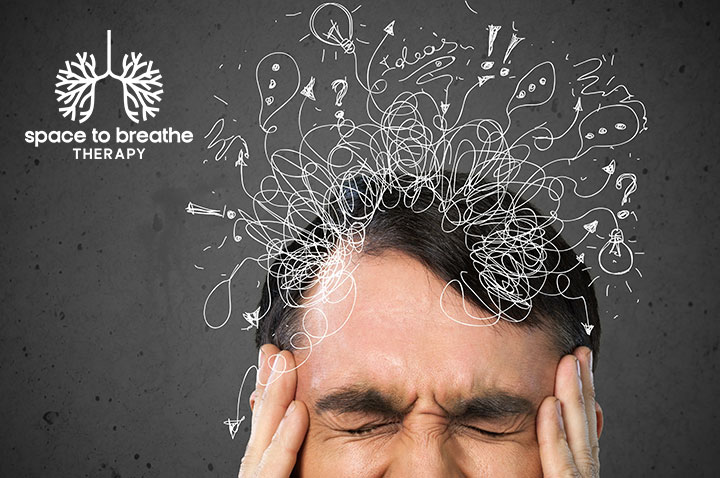
Rumination is when the mind repeatedly replays problems, worries, memories, or conversations. It feels like problem-solving, but actually keeps the nervous system stuck and worsens anxiety or depression.
2) What it feels like
- “I can’t stop replaying it.”
- “Why did I do that?”
- “I’m stuck in my head.”
- “I feel mentally trapped.”
3) Common signs & symptoms
- replaying conversations repeatedly
- constant self-judgement
- difficulty focusing
- mental exhaustion
- feeling stuck in thought cycles
4) Why it happens (causes & risk factors)
- anxiety and stress
- perfectionism
- low self-esteem
- depression
- OCD tendencies
- trauma processing
5) Triggers
- mistakes or embarrassment
- quiet moments
- stress or fatigue
- uncertainty
- emotional discomfort
6) What helps now
- name it: “This is rumination, not problem-solving.”
- scheduled worry time (10–15 minutes daily)
- shift to action: “What’s one small step?”
- movement-based distraction
- thought defusion techniques
7) Daily self-help support
- reduce reassurance-seeking
- practise mindfulness skills
- limit mental checking
- keep days structured
8) Professional treatment options
- CBT
- ACT (Acceptance and Commitment Therapy)
- mindfulness-based therapies
- OCD-focused therapy if obsessive themes dominate
9) Medication
Medication may help if rumination is part of anxiety, depression, or OCD, under GP or specialist care.
10) Practical tips
- thinking harder rarely helps
- action breaks loops
- attention is a skill
- mental rest matters
11) When to seek urgent help
Urgent help if:
- thoughts become distressing or intrusive
- sleep is severely disrupted
- anxiety escalates
- mood drops significantly
12) Where to get help (UK)
- NHS Talking Therapies
- GP support if persistent or severe

A-Z Mental Health
Health Support Directory
Practitioners & Contributors Directory
Depression & Emotional Distress
Substance Misuse
Understanding Grief
Neurodiversity
LGBTQ+
Physical Health & Body Awareness
Food Nutrition & Mental Health
Disability in the Workplace & Career Support
Inspirational Content
Fun & Interactive
Video and Audio
Men’s Mental Health
Trauma
Eating Disorders
Courses and Learning Hub
Social Media
Product Advertisements
Legal and Rights Information