
























.jpg)
1) What it is
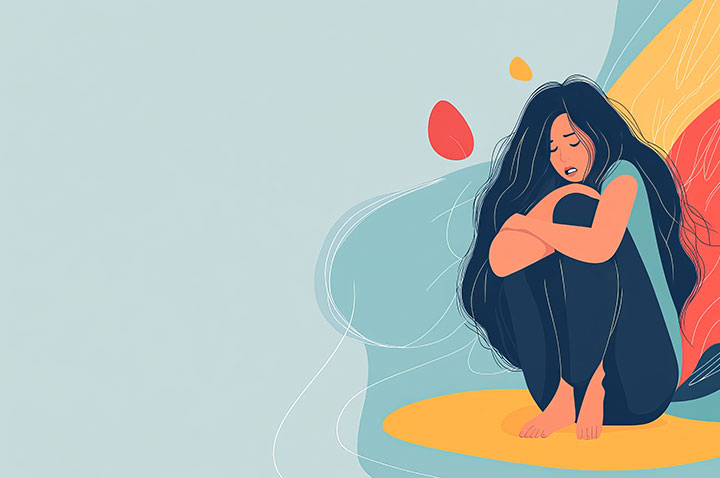
Self-harm is intentionally hurting yourself to cope with overwhelming emotions, numbness, or distress. It is a coping strategy, not attention seeking, and support is available.
2) What it feels like
- “I need the pain to stop.”
- “This is the only release.”
3) Common signs & symptoms
- cutting, scratching, burning, hitting
- urges during overwhelm
- shame or secrecy
- temporary relief followed by guilt
4) Why it happens (causes & risk factors)
- emotional overwhelm or numbness
- trauma
- anxiety or depression
- difficulty expressing feelings
5) Triggers
- intense emotions
- conflict
- shame
- loneliness
6) What helps now
- delay urges 10 minutes
- replace sensation safely (ice, cold water)
- express emotion outwardly
- follow an urge plan
- remove access if possible
7) Daily self-help support
- track triggers
- build coping alternatives
- practise compassion
8) Professional treatment options
- DBT
- trauma-informed therapy
- crisis team support
9) Medication
Medication treats underlying conditions, not self-harm directly.
10) Practical tips
- shame worsens urges
- support reduces risk
11) When to seek urgent help
Urgent help if:
- serious injury
- suicidal thoughts
- you cannot keep yourself safe
12) Where to get help (UK)
- Samaritans 116 123
- NHS 111 urgent mental health help
- Shout text 85258
- GP and local services

A-Z Mental Health
Health Support Directory
Practitioners & Contributors Directory
Depression & Emotional Distress
Substance Misuse
Understanding Grief
Neurodiversity
LGBTQ+
Physical Health & Body Awareness
Food Nutrition & Mental Health
Disability in the Workplace & Career Support
Inspirational Content
Fun & Interactive
Video and Audio
Men’s Mental Health
Trauma
Eating Disorders
Courses and Learning Hub
Social Media
Product Advertisements
Legal and Rights Information