

























.jpg)
1) What it is
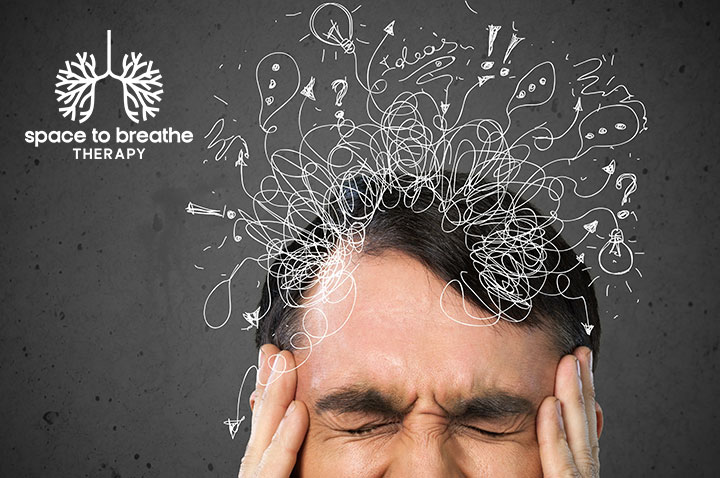
A trigger is anything that activates a strong emotional or physical response linked to past experiences, even when the current situation is safe. Triggers can cause panic, anger, shutdown, fear, or numbness.
2) What it feels like
- “I reacted instantly.”
- “I feel out of control.”
- “I know it’s not logical, but it feels real.”
3) Common signs & symptoms
- sudden emotional overwhelm
- panic, rage, tears, or shutdown
- urge to escape or avoid
- feeling unsafe unexpectedly
- shame after reacting
4) Why it happens
- trauma stored in the nervous system
- learned threat responses
- reduced emotional capacity during stress
- unmet emotional needs
5) Triggers
- tone of voice or criticism
- rejection or conflict
- sensory reminders
- fatigue or burnout
6) What helps now
- notice early signs (tight chest, racing heart)
- name it: “This is a trigger response.”
- STOP technique: stop, take a breath, observe, proceed gently
- reduce stimulation
7) Daily self-help support
- track triggers and patterns
- practise regulation before reactions escalate
- plan repair strategies
8) Professional treatment options
- CBT
- DBT emotional regulation work
- trauma-informed therapy
9) Medication
Medication may help underlying anxiety or mood instability, GP-led.
10) Practical tips
- triggers are automatic, not deliberate
- repair matters more than perfection
11) When to seek urgent help
Urgent help if reactions become unsafe or uncontrollable.
12) Where to get help (UK)
- NHS Talking Therapies
- GP support if symptoms escalate

A-Z Mental Health
Health Support Directory
Practitioners & Contributors Directory
Depression & Emotional Distress
Substance Misuse
Understanding Grief
Neurodiversity
LGBTQ+
Physical Health & Body Awareness
Food Nutrition & Mental Health
Disability in the Workplace & Career Support
Inspirational Content
Fun & Interactive
Video and Audio
Men’s Mental Health
Trauma
Eating Disorders
Courses and Learning Hub
Social Media
Product Advertisements
Legal and Rights Information