



























.jpg)
1) What it is
Uncertainty anxiety is when not knowing what will happen causes strong worry, panic, or a need to control outcomes. Many people with anxiety, OCD traits, trauma histories, or perfectionism find uncertainty especially hard to tolerate.
2) What it feels like
- “I need to know what’s going to happen.”
- “What if everything goes wrong?”
- “I can’t relax until I’m sure.”
- “My mind keeps scanning for answers.”
3) Common signs & symptoms
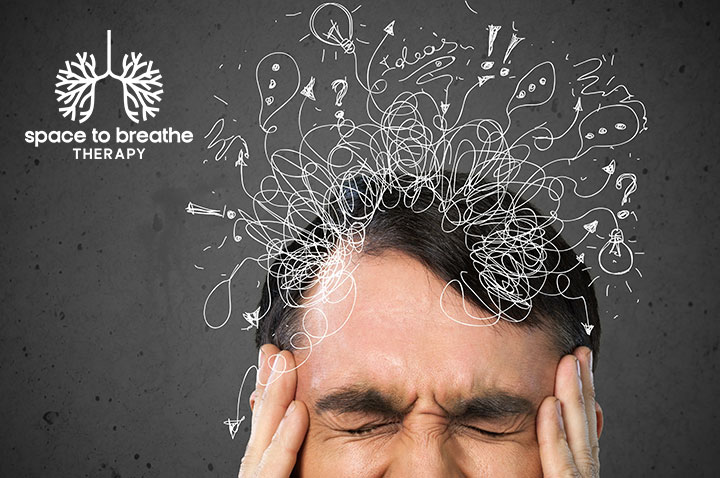
- overthinking worst-case scenarios
- reassurance seeking (“Are you sure?” “What if…?”)
- needing everything planned perfectly
- difficulty making decisions
- restlessness, tension, mental exhaustion
- avoiding situations without guaranteed outcomes
4) Why it happens (causes & risk factors)
- anxiety using certainty to feel safe
- OCD-style doubt loops
- trauma and fear responses
- perfectionism and fear of mistakes
- burnout reducing emotional capacity
5) Triggers
- waiting for results or decisions
- unclear communication
- unexpected changes
- responsibility without control
6) What helps now
- name it: “This is uncertainty discomfort, not danger.”
- practise tolerance with small unknowns
- limit reassurance seeking
- replace “what if” with “even if”
- focus on what you can control
7) Daily self-help support
- practise sitting with mild uncertainty
- decision time limits
- grounding when reassurance urges spike
8) Professional treatment options
- CBT
- ACT (Acceptance and Commitment Therapy)
- OCD-informed therapy if doubt loops dominate
9) Medication
Medication may help if uncertainty anxiety is part of an anxiety or OCD condition, GP-led.
10) Practical tips
- certainty is not safety
- tolerance grows through practice
- anxiety reduces when reassurance reduces
11) When to seek urgent help
Urgent help if anxiety becomes disabling or leads to unsafe behaviour.
12) Where to get help (UK)
- NHS Talking Therapies

A-Z Mental Health
Health Support Directory
Practitioners & Contributors Directory
Depression & Emotional Distress
Substance Misuse
Understanding Grief
Neurodiversity
LGBTQ+
Physical Health & Body Awareness
Food Nutrition & Mental Health
Disability in the Workplace & Career Support
Inspirational Content
Fun & Interactive
Video and Audio
Men’s Mental Health
Trauma
Eating Disorders
Courses and Learning Hub
Social Media
Product Advertisements
Legal and Rights Information