



























.jpg)
1) What it is
Vicarious trauma happens when you are deeply affected by hearing about, witnessing, or supporting others through trauma. It is common in carers, parents, therapists, healthcare workers, teachers, emergency services, and anyone supporting a distressed loved one.
2) What it feels like
- “I carry everyone else’s pain.”
- “I feel overwhelmed after helping.”
- “The world feels unsafe.”
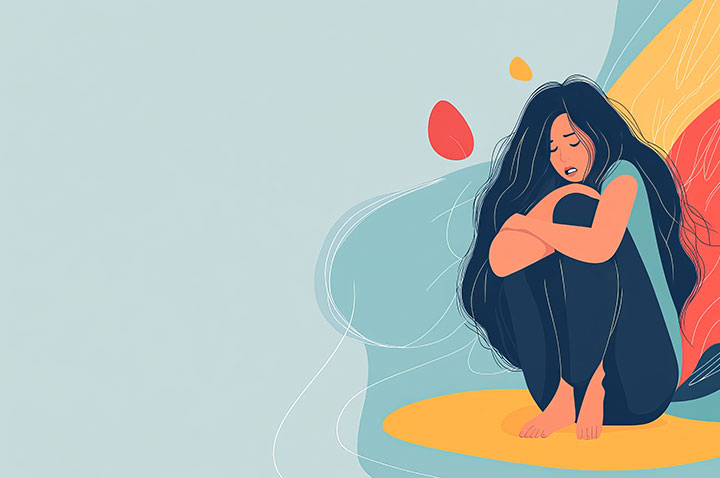
- “I’m exhausted and shut down.”
3) Common signs & symptoms
- emotional overwhelm after supporting others
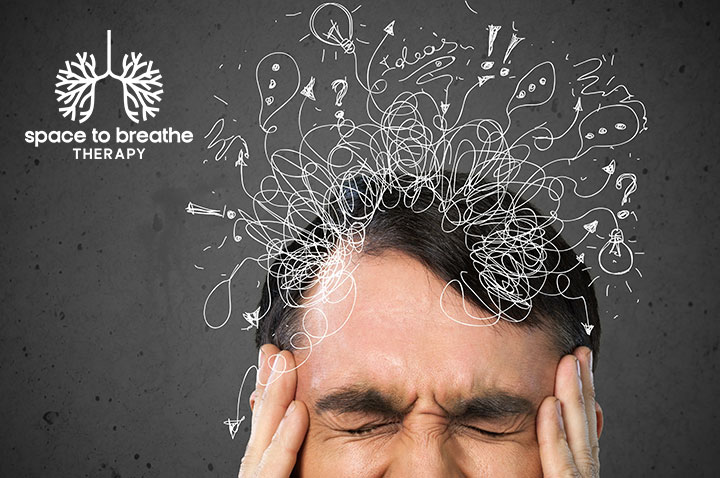
- intrusive images, thoughts, or nightmares
- increased anxiety or hypervigilance
- numbness, irritability, or withdrawal
- loss of hope or trust in safety
- burnout and compassion fatigue
4) Why it happens (causes & risk factors)
- repeated exposure to trauma stories
- weak boundaries or lack of rest
- personal trauma history being activated
- feeling responsible for others’ safety
- no space to process emotions
5) Triggers
- intense disclosures
- crisis situations
- lack of breaks
- emotional overload
6) What helps now
- containment: imagine placing the story in a box temporarily
- de-load rituals after exposure (shower, walk, music, silence)
- remind yourself: support does not mean carrying it
- grounding for the body
7) Daily self-help support
- regular supervision or check-ins
- scheduled rest and recovery
- clear emotional boundaries
8) Professional treatment options
- trauma-informed supervision
- counselling or psychotherapy
- CBT for anxiety or intrusive thoughts
- EMDR if personal trauma is triggered
9) Medication
Medication may help secondary anxiety, sleep, or mood symptoms, GP-led.
10) Practical tips
- compassion needs boundaries
- recovery requires rest, not toughness
11) When to seek urgent help
Urgent help if distress escalates, functioning drops, or self-harm thoughts appear.
12) Where to get help (UK)
- NHS Talking Therapies
- GP support
- workplace wellbeing or supervision services

A-Z Mental Health
Health Support Directory
Practitioners & Contributors Directory
Depression & Emotional Distress
Substance Misuse
Understanding Grief
Neurodiversity
LGBTQ+
Physical Health & Body Awareness
Food Nutrition & Mental Health
Disability in the Workplace & Career Support
Inspirational Content
Fun & Interactive
Video and Audio
Men’s Mental Health
Trauma
Eating Disorders
Courses and Learning Hub
Social Media
Product Advertisements
Legal and Rights Information





