

























.jpg)
1) What it is
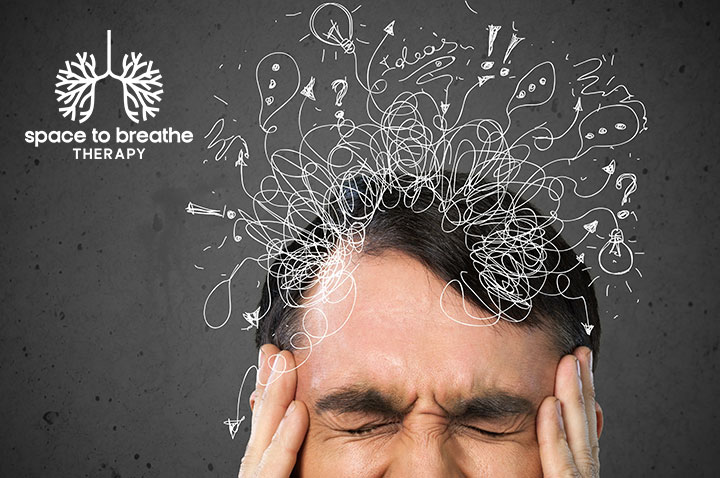
Violent intrusive thoughts are unwanted thoughts or images involving harm. They can feel shocking and terrifying, but having them does not mean you want them or will act on them. They are common with anxiety, OCD, and trauma.
2) What it feels like
- “What if I hurt someone?”
- “What if this means something about me?”
- “I feel scared of my own mind.”
3) Common signs & symptoms
- disturbing harm-related thoughts
- fear of being dangerous
- avoidance of objects or situations
- reassurance seeking and mental checking
- shame, guilt, or panic
4) Why it happens (causes & risk factors)
- anxiety-driven threat scanning
- OCD cycles (obsession → fear → compulsion)
- high stress and sleep loss
- trauma and hypervigilance
- responsibility fears
5) Triggers
- stress
- fatigue
- responsibility or pressure
6) What helps now
- label it correctly as an intrusive thought
- allow it to pass without arguing
- reduce reassurance rituals
- refocus on values
- ground in the body
7) Daily self-help support
- practise thought defusion
- reduce avoidance slowly
8) Professional treatment options
- CBT with ERP (Exposure & Response Prevention)
- ACT
- OCD-informed therapy
9) Medication
Medication may help OCD or anxiety, prescribed by a GP or specialist.
10) Practical tips
- thoughts are not intentions
- fighting thoughts keeps them stronger
11) When to seek urgent help
Urgent help if thoughts feel overwhelming or safety feels uncertain.
12) Where to get help (UK)
- NHS Talking Therapies
- GP support
- Samaritans 116 123

A-Z Mental Health
Health Support Directory
Practitioners & Contributors Directory
Depression & Emotional Distress
Substance Misuse
Understanding Grief
Neurodiversity
LGBTQ+
Physical Health & Body Awareness
Food Nutrition & Mental Health
Disability in the Workplace & Career Support
Inspirational Content
Fun & Interactive
Video and Audio
Men’s Mental Health
Trauma
Eating Disorders
Courses and Learning Hub
Social Media
Product Advertisements
Legal and Rights Information