



























.jpg)
1) What it is
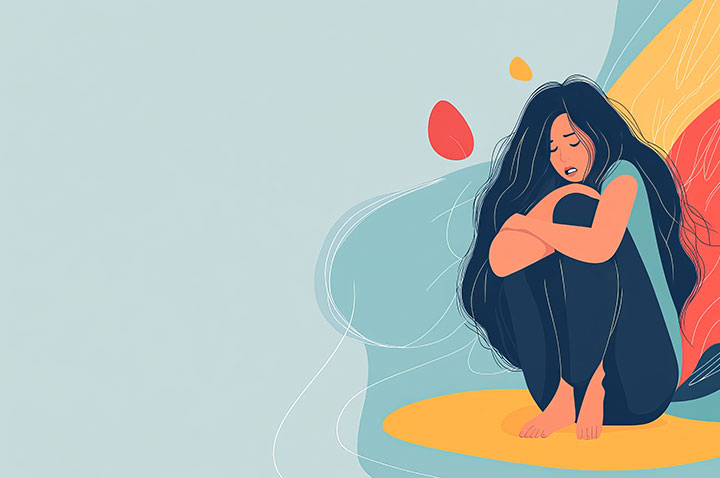
Withdrawal is when someone isolates or disengages because they feel overwhelmed, unsafe, numb, or emotionally exhausted. It is often a protective response, not laziness.
2) What it feels like
- “I don’t have the energy to talk.”
- “I feel disconnected from everyone.”
3) Common signs & symptoms
- avoiding messages and calls
- staying in bed or at home
- emotional numbness
- loss of interest
- low motivation
- feeling like a burden
4) Why it happens
- depression lowering energy and hope
- trauma freeze or shutdown responses
- anxiety and social fear
- burnout and overwhelm
5) Triggers
- emotional pressure
- conflict
- fatigue
- feeling unsupported
6) What helps now
- one small connection per day
- reduce pressure to “feel social”
- tiny daily goals
- gentle routine
- replace shame with compassion
7) Daily self-help support
- predictable structure
- safe, low-demand contact
8) Professional treatment options
- CBT for depression or anxiety
- trauma-informed therapy
- GP support if persistent
9) Medication
Medication may help underlying depression or anxiety, GP-led.
10) Practical tips
- withdrawal is protection
- reconnection can be gradual
11) When to seek urgent help
Urgent help if isolation worsens mood or safety.
12) Where to get help (UK)
- NHS Talking Therapies
- GP support
- Samaritans 116 123

A-Z Mental Health
Health Support Directory
Practitioners & Contributors Directory
Depression & Emotional Distress
Substance Misuse
Understanding Grief
Neurodiversity
LGBTQ+
Physical Health & Body Awareness
Food Nutrition & Mental Health
Disability in the Workplace & Career Support
Inspirational Content
Fun & Interactive
Video and Audio
Men’s Mental Health
Trauma
Eating Disorders
Courses and Learning Hub
Social Media
Product Advertisements
Legal and Rights Information





