



























.jpg)
1) What it is
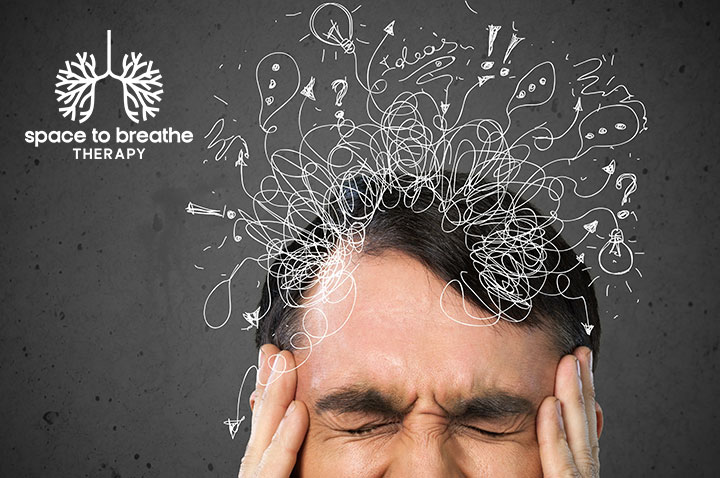
Yearly burnout is the gradual build-up of stress, pressure, and emotional fatigue over many months. It often becomes most noticeable at the end of the year or after long periods without proper rest, even if no single crisis has occurred.
2) What it feels like
- “I’m completely drained.”
- “I have nothing left to give.”
- “Even small things feel too much.”
- “I can’t switch off anymore.”
3) Common signs & symptoms
- constant exhaustion
- emotional numbness or irritability
- brain fog and poor concentration
- loss of motivation and joy
- poor sleep or oversleeping
- overwhelm with small tasks
- increased anxiety, low mood, tearfulness
4) Why it happens (causes & risk factors)
- long-term responsibility without recovery
- constant “busy mode” and mental load
- poor boundaries and people pleasing
- financial or family pressures
- emotional labour and caring roles
- lack of sleep and downtime
5) Triggers
- end-of-year deadlines
- sustained pressure without breaks
- additional family or financial demands
6) What helps now
- reduce load urgently
- focus on minimum viable routine
- daily nervous system reset
- lower standards temporarily
- ask for help earlier
7) Daily self-help support
- gentle structure
- planned rest
- reduced stimulation
8) Professional treatment options
- GP support if burnout is severe
- CBT for stress and overwhelm
- counselling and burnout recovery
- workplace adjustments if needed
9) Medication
Medication may help if anxiety or depression has developed alongside burnout, GP-led.
10) Practical tips
- burnout improves with rest, not pushing
11) When to seek urgent help
Urgent help if exhaustion leads to inability to function, panic, or suicidal thoughts.
12) Where to get help (UK)
- GP
- NHS Talking Therapies

A-Z Mental Health
Health Support Directory
Practitioners & Contributors Directory
Depression & Emotional Distress
Substance Misuse
Understanding Grief
Neurodiversity
LGBTQ+
Physical Health & Body Awareness
Food Nutrition & Mental Health
Disability in the Workplace & Career Support
Inspirational Content
Fun & Interactive
Video and Audio
Men’s Mental Health
Trauma
Eating Disorders
Courses and Learning Hub
Social Media
Product Advertisements
Legal and Rights Information





