



























.jpg)
1) What it is
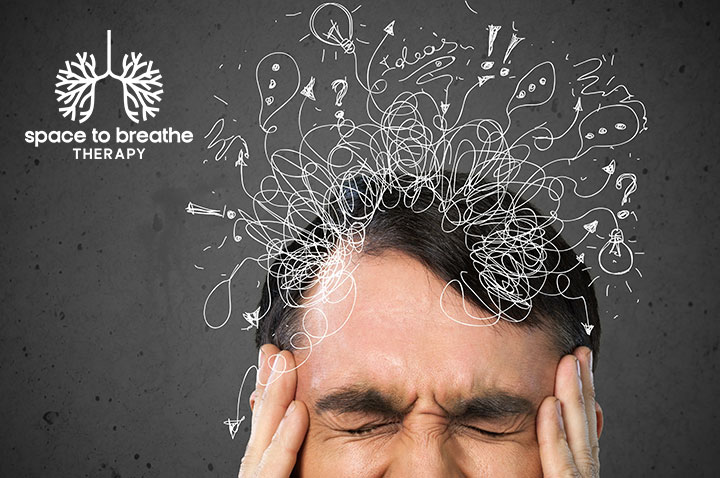
Yelling and anger outbursts usually occur when the nervous system is overwhelmed or threatened. Anger often covers deeper emotions like fear, hurt, shame, frustration, or exhaustion.
2) What it feels like
- “I snap before I can stop myself.”
- “I feel out of control.”
- “I regret it afterwards.”
3) Common signs & symptoms
- snapping or shouting
- tension, heat, agitation
- regret or shame after reacting
- irritability over small things
- resentment building
4) Why it happens (causes & risk factors)
- chronic stress and burnout
- feeling unheard or disrespected
- trauma triggers
- lack of sleep, hunger, overstimulation
- poor boundaries
5) Triggers
- fatigue
- conflict
- feeling criticised
6) What helps now
- pause and step away
- breathe and reset body first
- identify the underlying emotion
- repair after reacting
- lower overall stress load
7) Daily self-help support
- emotion regulation skills
- boundary setting
8) Professional treatment options
- CBT for anger and triggers
- DBT emotional regulation skills
- trauma therapy if relevant
- couple or family therapy if needed
9) Medication
Medication may help if anger is linked to anxiety, depression, or mood instability.
10) Practical tips
- anger decreases as stress decreases
11) When to seek urgent help
Urgent help if anger leads to violence, loss of control, or fear of harming others.
12) Where to get help (UK)
- NHS Talking Therapies
- GP support
- Mind

A-Z Mental Health
Health Support Directory
Practitioners & Contributors Directory
Depression & Emotional Distress
Substance Misuse
Understanding Grief
Neurodiversity
LGBTQ+
Physical Health & Body Awareness
Food Nutrition & Mental Health
Disability in the Workplace & Career Support
Inspirational Content
Fun & Interactive
Video and Audio
Men’s Mental Health
Trauma
Eating Disorders
Courses and Learning Hub
Social Media
Product Advertisements
Legal and Rights Information





