


























.jpg)
1) What it is
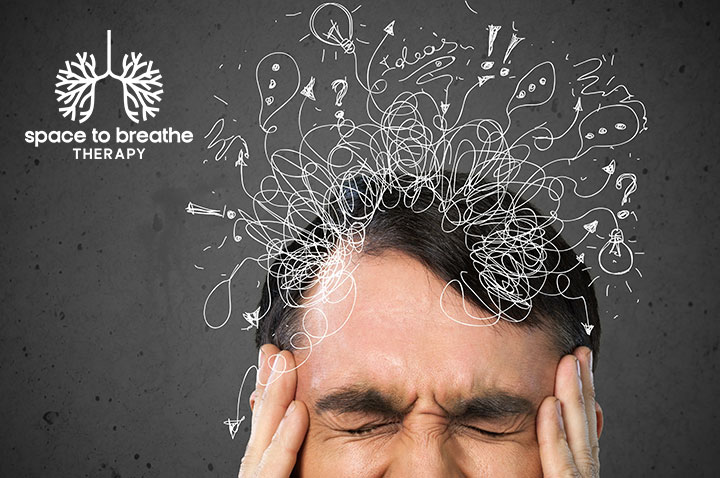
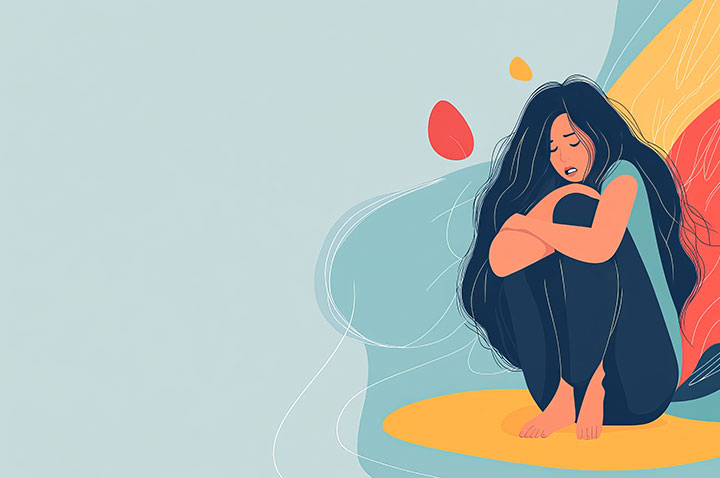
Zoning out can be dissociation — a state where your mind disconnects slightly to protect you from stress, trauma, anxiety, or overwhelm. It can make you feel detached from yourself or the world.
2) What it feels like
- “I feel spaced out.”
- “Everything feels unreal.”
- “I’m on autopilot.”
- “I’m here, but not really here.”
3) Common signs & symptoms
- feeling disconnected or distant
- time gaps or poor recall
- difficulty concentrating
- emotional numbness or blankness
- feeling unreal or detached
- increased anxiety after zoning out
4) Why it happens (causes & risk factors)
- trauma and nervous system protection
- anxiety and panic responses
- burnout and overload
- sleep deprivation
- emotional overwhelm
- depression and shutdown
5) Triggers
- stress or conflict
- sensory overload
- fatigue
- trauma reminders
6) What helps now
- sensory grounding (cold water, strong mint, textured object)
- name the experience as dissociation
- gentle body movement
- orienting to time and place
- reduce stimulation
7) Daily self-help support
- predictable routines
- regular grounding practices
- rest and recovery time
8) Professional treatment options
- trauma-informed therapy
- CBT for panic or anxiety
- somatic (body-based) therapy
- GP assessment if frequent or worsening
9) Medication
Medication may help if dissociation is linked to anxiety, panic, or depression, GP-led.
10) Practical tips
- dissociation is protection, not failure
11) When to seek urgent help
Urgent help if dissociation becomes constant, frightening, or interferes with safety or daily life.
12) Where to get help (UK)
- NHS Talking Therapies
- GP support
- NHS 111 if symptoms feel urgent

A-Z Mental Health
Health Support Directory
Practitioners & Contributors Directory
Depression & Emotional Distress
Substance Misuse
Understanding Grief
Neurodiversity
LGBTQ+
Physical Health & Body Awareness
Food Nutrition & Mental Health
Disability in the Workplace & Career Support
Inspirational Content
Fun & Interactive
Video and Audio
Men’s Mental Health
Trauma
Eating Disorders
Courses and Learning Hub
Social Media
Product Advertisements
Legal and Rights Information