


























.jpg)
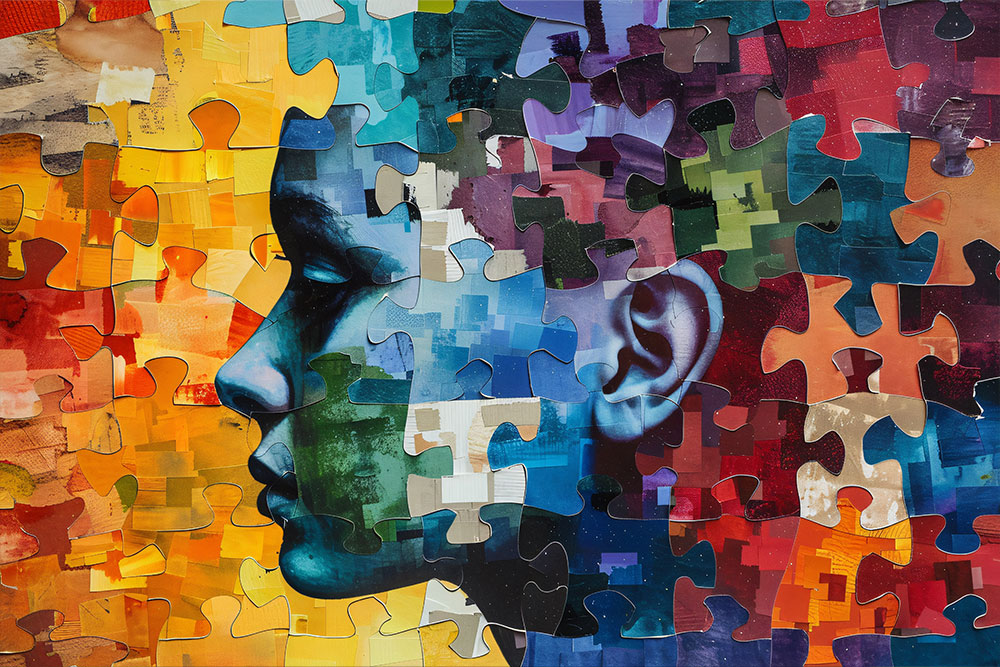
Neurodivergence, including ADHD, autism, dyslexia, and other cognitive differences, is increasingly recognised as a natural variation in how human brains work. However, neurodivergent individuals experience significantly higher rates of anxiety, depression, and burnout, not because of their neurology itself, but because of the environments they are required to function within.
In the UK, research consistently shows that neurodivergent adults are more likely to experience mental health difficulties than their neurotypical peers. Autistic adults, for example, are estimated to experience anxiety and depression at rates several times higher than the general population. ADHD is also strongly associated with emotional dysregulation, chronic stress, and burnout, particularly when support needs are unmet.
A key contributor to this distress is masking, the effort of suppressing natural behaviours, managing sensory overload, and constantly adapting to neurotypical expectations. Over time, this sustained effort places significant strain on the nervous system. Many neurodivergent people cope outwardly while becoming increasingly exhausted internally, often leading to burnout that is misunderstood or mislabelled.
Neurodivergent burnout is not simply “stress” or “low mood.” It is a state of profound nervous system overload resulting from prolonged pressure, lack of accommodation, and the need to constantly adapt. Recognising this allows support to shift away from asking individuals to try harder, toward creating environments that reduce harm and support sustainability.
Signs of Neurodivergent Burnout
(Burnout often develops gradually and may be mistaken for depression, anxiety, or disengagement.)
- Persistent physical and mental exhaustion that rest does not resolve
- Increased sensory sensitivity to noise, light, touch, or social interaction
- Difficulty with tasks that were previously manageable
- Emotional shutdown, withdrawal, or increased emotional reactivity
- Loss of motivation, creativity, or interest in usual activities
- Brain fog, difficulty concentrating, or slowed processing
- Increased anxiety, low mood, or feelings of overwhelm
- A strong urge to withdraw from demands, responsibilities, or social contact
What Helps
Reduce Masking Where Possible
Masking is often a survival strategy, but it is physically and emotionally costly. Allowing space for natural communication styles, movement, stimming, or rest can significantly reduce nervous system strain. Even small reductions in masking can help preserve energy and emotional capacity.
Create Sensory-Aware Environments
Sensory overload keeps the nervous system in a constant state of alert. Adjustments such as reducing background noise, dimming lights, allowing headphones, or creating quiet recovery spaces can make environments more tolerable and supportive.
Provide Clear, Predictable Communication
Uncertainty and ambiguity increase cognitive load. Clear instructions, written information, advance notice of changes, and explicit expectations reduce anxiety and support executive functioning. Predictability allows the nervous system to relax.
Support Flexible Routines and Pacing
Rigid schedules can increase burnout risk. Flexible routines that allow for energy fluctuations, rest days, and recovery time support sustainability. Pacing by balancing activity with adequate recovery is essential for long-term wellbeing.
Acknowledge Energy Limits Without Judgement
Burnout is often worsened by shame and self-criticism. Validating energy limits as real and legitimate reduces internal pressure. Rest is not a reward; it is a necessity for nervous system recovery.
Encourage Regulation Over Productivity
Practices that support nervous system regulation, such as gentle movement, grounding, predictable rhythms, and sensory comfort, help restore capacity. These are often more effective than productivity-focused strategies during burnout.
Seek Neurodiversity-Affirming Support
Mental health support is most effective when professionals understand neurodivergence and avoid pathologising differences. Affirming support focuses on accommodation, understanding, and nervous system health rather than “fixing” traits.
If any of this resonates, your experience makes sense. Neurodivergent burnout is not a personal failing, a lack of resilience, or a sign that something is wrong with you. It is a predictable response to prolonged strain in environments that were not designed with neurodivergent needs in mind.
Recovery often begins not with doing more, but with reducing pressure, increasing understanding, and allowing the nervous system space to settle. Progress may feel slow and uneven, and that is okay. With compassionate support, appropriate accommodations, and gentler expectations, it is possible to rebuild capacity and move toward a life that feels more sustainable, balanced, and humane.
With love,
Maggie.




