























.jpg)

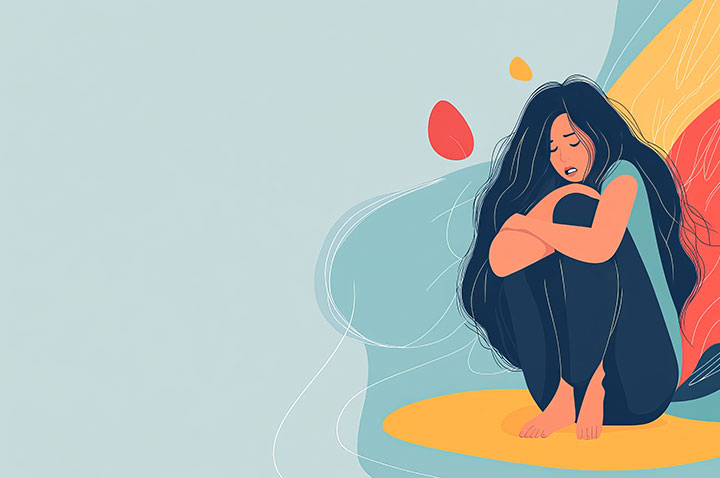
When people hear the word burnout, they often picture long hours, heavy workloads, and workplace pressure. But more and more, burnout is showing up in people who aren’t overworked in the traditional sense at all. Parents, carers, students, people managing health conditions, and those navigating ongoing uncertainty are reporting the same deep exhaustion, emotional depletion, and loss of motivation. Burnout has quietly expanded beyond the workplace and into everyday life.
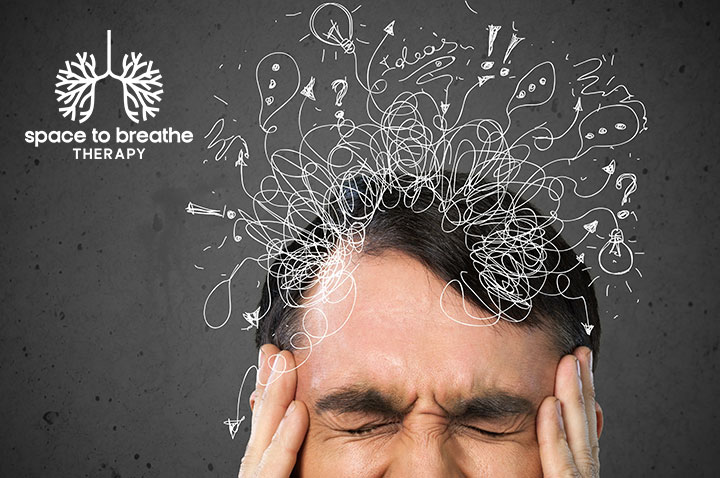
Modern living places constant demands on our nervous systems. We are expected to make endless decisions, absorb continuous information, remain socially responsive, and adapt to rapid change, often without adequate rest or support. Digital overload, financial stress, caregiving responsibilities, health concerns, and global uncertainty all contribute to a background level of stress that rarely switches off. Over time, this chronic activation can leave the body stuck in survival mode.
Burnout is not a personal failure or a lack of resilience. It is a nervous system response to prolonged stress without sufficient recovery. Many people try to push through, telling themselves they should be coping better, but this often deepens the cycle of exhaustion. What’s actually needed is not more productivity or motivation, but safety, regulation, and rest that genuinely supports the body and mind.
Recognising burnout outside of work is an important step toward healing. Small changes such as reducing cognitive load, creating predictable routines, setting gentler expectations, and allowing rest without guilt can help restore balance over time. Support doesn’t always mean fixing everything at once; sometimes it means slowing down enough for the nervous system to feel safe again.
Signs of Burnout
(Burnout doesn’t always look like collapse; it often looks like coping on empty.)
- Persistent exhaustion that rest doesn’t seem to fix
- Feeling emotionally numb, detached, or overwhelmed
- Reduced motivation or enjoyment, even for things that once mattered
- Brain fog, forgetfulness, or difficulty concentrating
- Increased irritability, tearfulness, or emotional sensitivity
- Physical symptoms such as headaches, digestive issues, tension, or frequent illness
- A sense of “just getting through the day” rather than living it
What Helps
(Burnout recovery is about regulation, not pushing harder.)
- Lowering expectations and focusing on what is essential rather than everything
- Creating small pockets of predictability and routine to support nervous system safety
- Reducing sensory and cognitive overload where possible (fewer decisions, less multitasking)
- Prioritising rest without attaching productivity or guilt to it
- Gentle movement, grounding practices, or slow rhythms that help the body feel safe
- Talking to a mental health professional for support, validation, and guidance
If any of this feels familiar, know that your experience makes sense. Burnout is a human response to ongoing stress, not a personal failing. Burnout often whispers before it shouts, and pausing to listen, responding with kindness, and seeking support when needed can make a meaningful difference. With the right support, it is possible to move toward steadier ground, one gentle step at a time.
With love,
Maggie.




