




























.jpg)
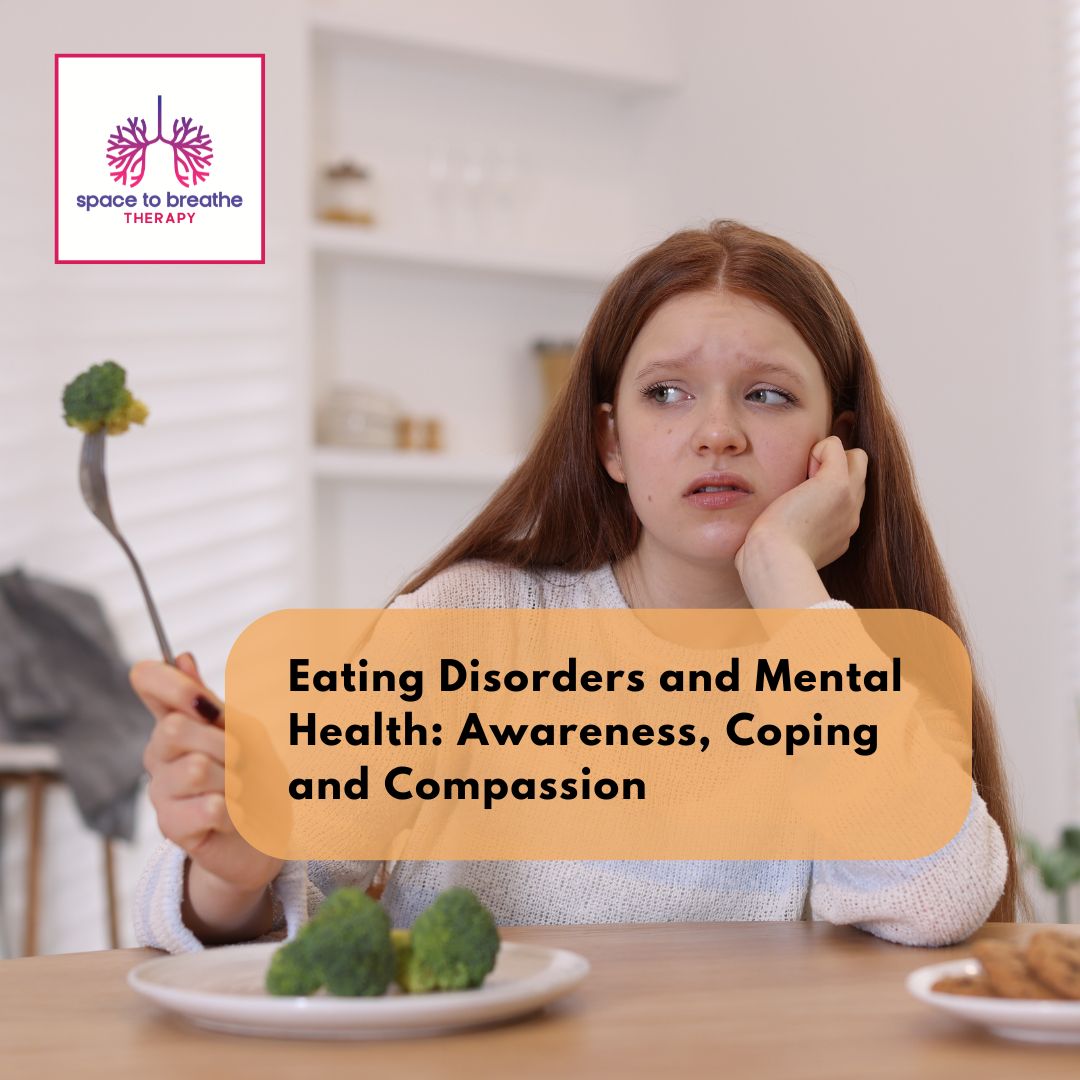
Eating disorders are not simply about willpower; they are complex responses to distress, control, and emotional coping. Disorder begins with small patterns like skipping meals, ritualistic eating, or moralising foods and can evolve into a way to manage anxiety, shame, or loneliness. Food becomes a tool to feel in control, but the control is fragile and often amplifies fear, isolation, and physical strain.
Raising awareness matters because compassionate, non-judgemental conversations interrupt the silence that shames people into hiding. Knowledge helps families spot warning signs: rapid weight change, withdrawal from meals, distorted body image, secrecy, or extreme rigidity. It also opens doors to care that treats mind and body together.
Emotional coping sits at the core of many struggles. People may use eating behaviors to dull pain, anxiety, or grief. Treatments that acknowledge this relationship such as cognitive-behavioural therapy, family-based approaches for adolescents, and mindfulness-inspired strategies, offer paths to healthier coping and rebuild a compassionate inner dialogue. Healing involves soothing distress without turning to food and reclaiming a sense of worth beyond appearance or control.
Ways to foster awareness:
- Normalise conversations about mental health and eating patterns; emphasise that help is available.
- Share accurate information about signs, avoiding stigmatising language.
- Advocate for multidisciplinary care: medical monitoring, nutrition, and mental health support.
- Create safe, non-judgemental spaces in schools, workplaces, and communities.
- Highlight stories of resilience and recovery to inspire hope.
Recovery is a collaborative journey, not a straight line. By listening with empathy and connecting people to compassionate care, we move from fear to nourishment, from control to balance, and from isolation to belonging.
With Love, Maggie.