

























.jpg)
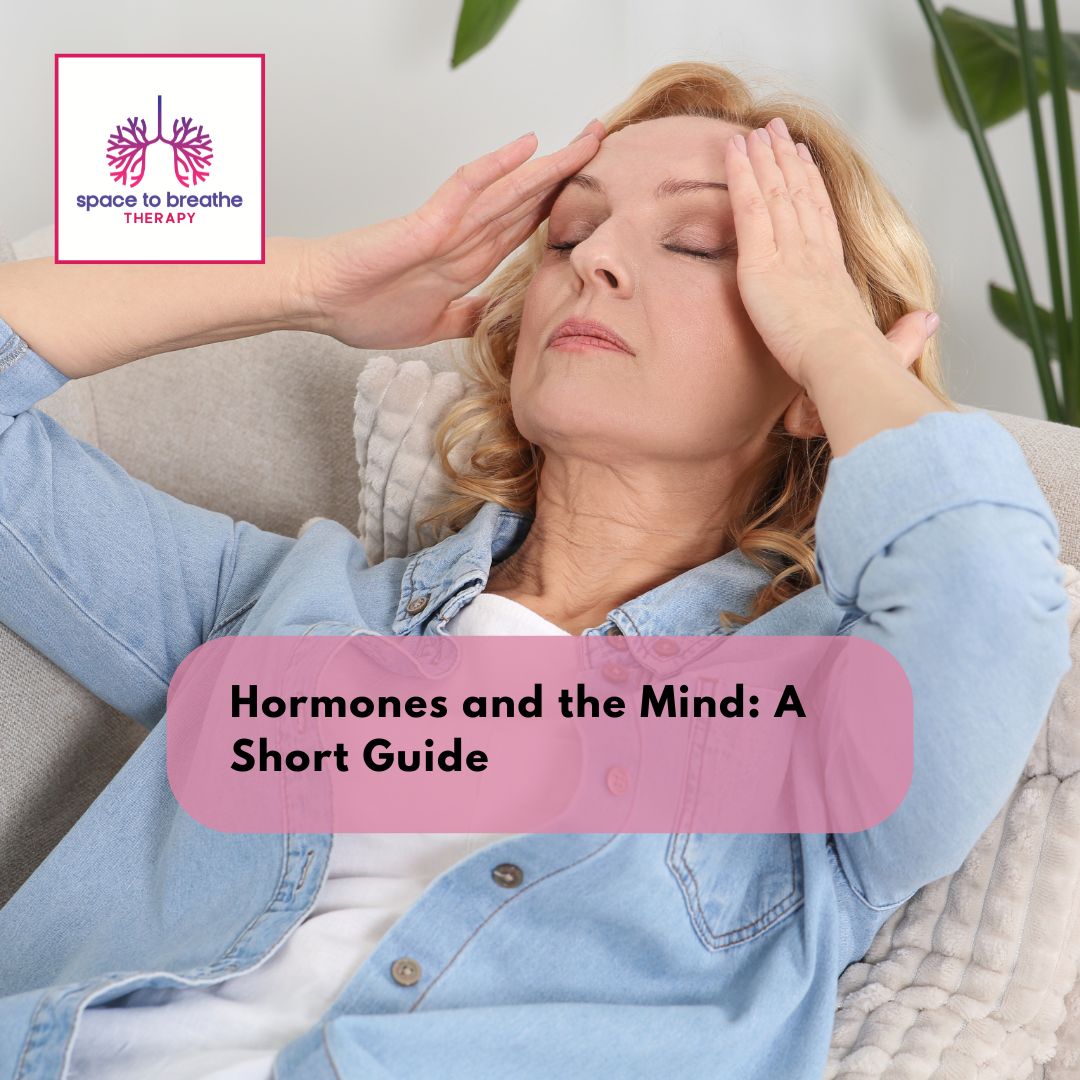
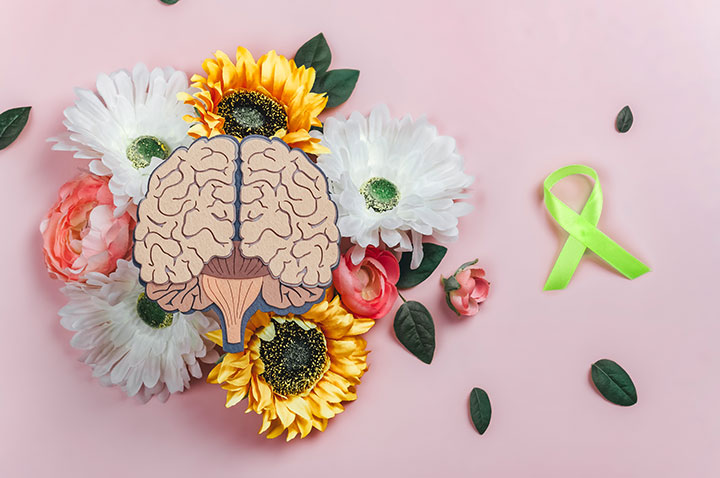
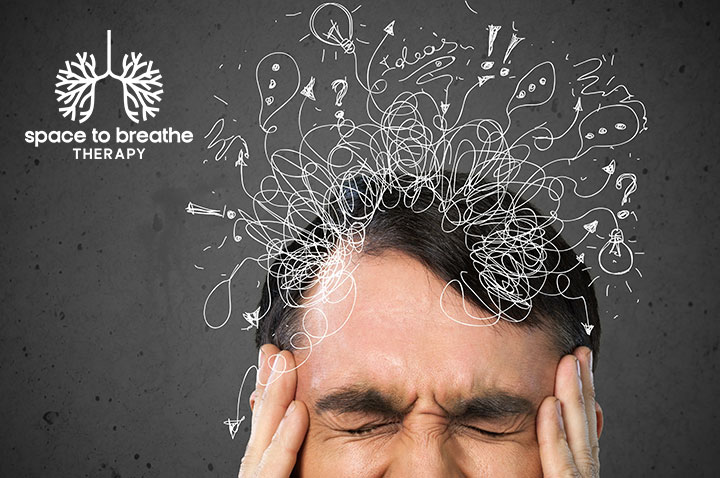
Hormonal health is a constant in the background of our mental lives, often unseen, yet highly influential. As our bodies cycle through time, hormones rise and fall, subtly shaping how we feel, think, and respond to stress. When PMDD, thyroid conditions, or perimenopause enter the picture, these hormonal shifts can intersect with mood and anxiety in meaningful ways. Understanding these connections helps demystify mood changes and equips us to pursue care that addresses both body and mind.
- PMDD (Premenstrual Dysphoric Disorder): Affects a subset of people with the menstrual cycle. Symptoms peak in the luteal phase and can include irritability, anxiety, mood lability, and physical discomfort. Management often combines timing, lifestyle adjustments, and medical options such as SSRIs or hormonal therapies, under medical supervision.
- Thyroid conditions: Imbalances alter energy, sleep, concentration, and mood. Hypothyroidism can bring fatigue and sadness; hyperthyroidism can heighten anxiety and irritability. Regular thyroid function tests and medication adjustments are key, alongside mental health support when needed.
- Perimenopause: A transitional period with fluctuating oestrogen and progesterone. Mood swings, irritability, sleep disturbance, and anxiety may appear or intensify. Treatments vary from lifestyle measures to hormone therapy and non-hormonal approaches for mood and sleep.
- The throughline: Hormonal shifts shape neurotransmitter systems, stress response, and brain circuits related to mood and anxiety. Recognising the hormonal context helps differentiate “illness” from “imbalance” and guides more effective care.
In recognising the hormonal underpinnings of mood and anxiety, clinicians and patients can collaborate toward care that respects the body’s rhythms while supporting mental health. This approach validates experiences that might previously have been dismissed as purely “emotional,” and it emphasises practical steps such as accurate diagnosis, tailored treatment plans, lifestyle supports, and ongoing monitoring, that can restore balance and resilience across life’s hormonal transitions.
With Love, Maggie.




