



























.jpg)

In recent years, “self-care” has become a common response to stress, often framed as relaxation or indulgence. However, many people find that activities designed to calm the mind don’t always ease the deeper sense of unease they carry. This is because chronic stress affects the nervous system itself, not just thoughts or emotions.
Research increasingly shows that prolonged stress keeps the body in a heightened state of alert. When this happens, the nervous system struggles to return to baseline, even during rest. This can explain why people feel wired but tired, emotionally reactive, or unable to fully relax. In the UK, stress remains one of the most commonly reported mental health concerns, with significant overlap between anxiety, sleep disturbance, and physical tension.
Nervous system regulation focuses on helping the body feel safe again, rather than forcing calm. Small, repeated experiences of safety, such as predictability, gentle movement, or supportive connection, allow the nervous system to gradually downshift. Over time, this can reduce emotional overwhelm and improve resilience.
Signs Your Nervous System May Be Dysregulated
- Persistent feelings of being “on edge”
- Difficulty resting or switching off
- Emotional numbness or sudden emotional swings
- Poor sleep despite exhaustion
- Digestive issues or muscle tension
What Helps
Create Predictable Routines
Predictability helps the nervous system feel safe. Try anchoring your day with a few consistent points, such as waking at a similar time, eating regular meals, or having a simple evening wind-down ritual. These don’t need to be rigid schedules; even loose routines can reduce the sense of constant uncertainty.
Use Sensory Grounding to Reconnect with the Body
Grounding works by bringing attention to the senses, which signals safety to the nervous system. This might include holding something warm, noticing five things you can see, listening to calming sounds, or using a familiar scent. Short, frequent grounding moments are often more effective than long sessions.
Choose Gentle, Rhythmic Movement
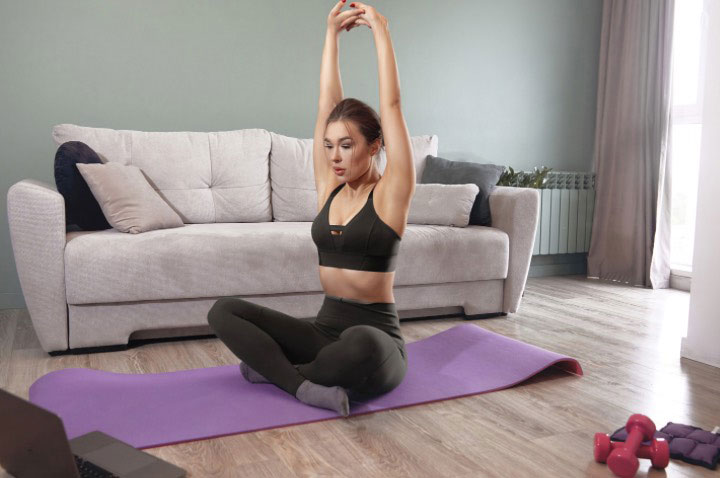
Movement that is slow and repetitive can help regulate the nervous system without increasing stress. Activities such as walking, stretching, rocking, swimming, or light yoga can be supportive. The focus is not intensity or performance, but helping the body release tension and restore rhythm.
Reduce Overstimulation Where Possible
Constant noise, multitasking, and information input keep the nervous system activated. Reducing stimulation might look like lowering screen brightness, limiting background noise, taking breaks from social media, or doing one task at a time. Even small reductions can significantly lower cognitive and sensory load.
Seek Regulation-Informed Professional Support
Some approaches to therapy focus specifically on nervous system awareness and regulation rather than solely on thoughts or behaviours. Working with a professional who understands stress, trauma, and nervous system responses can help individuals develop personalised strategies and feel validated in their experience.
If this feels familiar, your experience makes sense. Dysregulation is not a weakness; it is a protective response to ongoing stress. Supporting the nervous system with patience and care can help restore steadier ground over time.
With love,
Maggie.