



















.jpg)

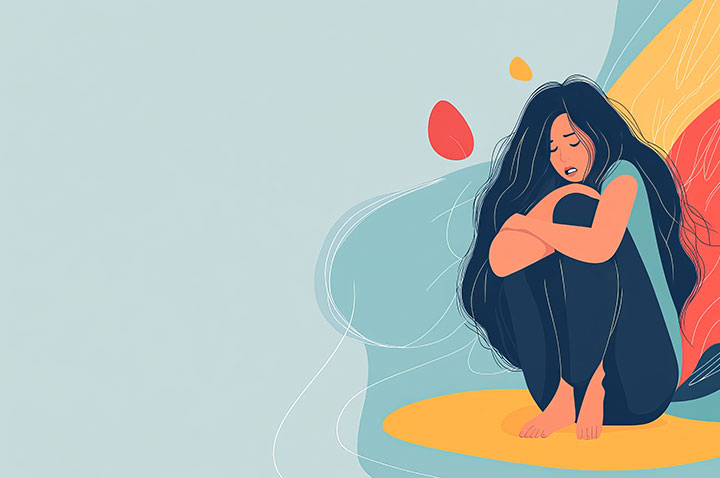
Anxiety is often spoken about as a mental experience via racing thoughts, worry and fear, but its effects are just as physical. The body and brain are in constant conversation, and when anxiety is present, the body frequently carries the message first.
Chest tightness is one of the most common physical sensations linked to anxiety. Muscles tense in preparation for perceived threat, breathing can become shallow, and the heart may race or feel heavy. This response is part of the nervous system’s survival mechanism, but when it’s repeatedly activated, it can leave the body feeling on edge even during moments of rest.
The gut is another frequent target. Anxiety can disrupt digestion, leading to nausea, bloating, cramps, constipation, or urgency. This happens because stress hormones divert energy away from digestion, prioritising alertness instead. Over time, this gut–brain disruption can become cyclical: anxiety affects digestion, and digestive discomfort increases anxiety.
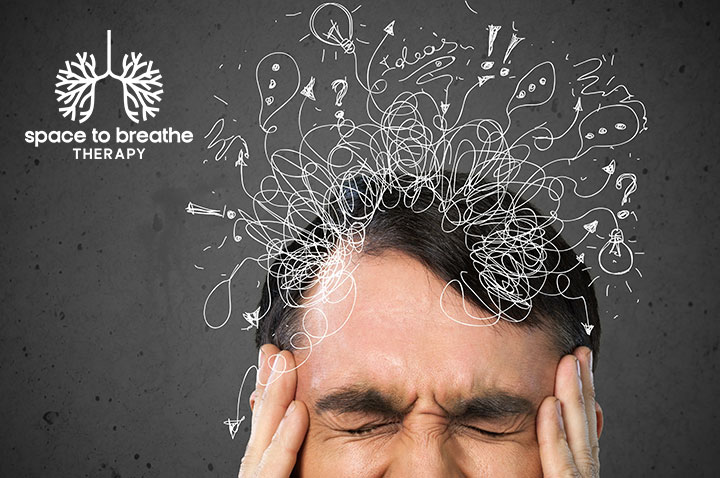
Headaches and muscle pain are also common. Constant tension in the neck, shoulders, and jaw can trigger headaches or migraines, while sustained stress may cause widespread aches. Many people don’t realise how much they are bracing their bodies until pain becomes impossible to ignore.
Fatigue is often misunderstood in anxiety. Being anxious is exhausting. Even without visible activity, the body is working hard by scanning for danger, regulating emotions, and managing heightened arousal. This can result in deep tiredness, brain fog, and reduced resilience, sometimes mistaken for laziness or low motivation.
Recognising anxiety’s physical presence matters. These sensations are not signs of weakness or failure; they are the body responding to prolonged stress. Gentle strategies such as slow breathing, regular nourishment, movement, rest, and reducing cognitive load can help signal safety back to the nervous system.
Understanding anxiety as a whole-body experience allows for more compassionate care. When we listen to the body instead of fighting it, recovery becomes less about forcing calm and more about restoring balance.
With Love, Maggie.




