






























.jpg)
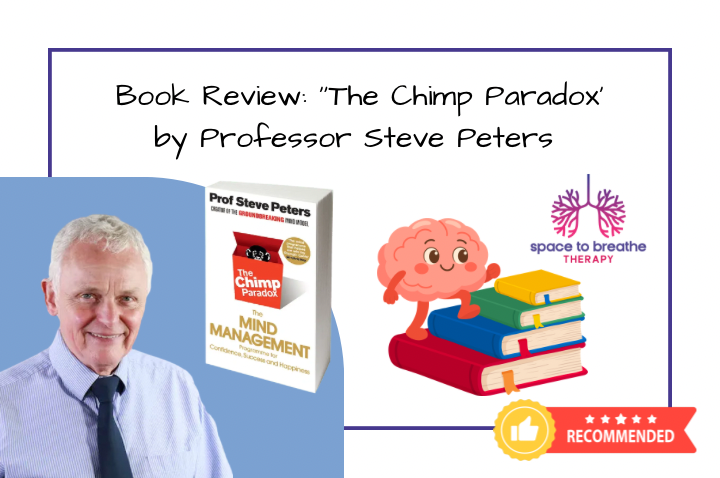
At the centre of The Chimp Paradox, Professor Steve Peters introduces a simple model for understanding how the mind works. He describes three key parts: the Chimp, which represents our emotional and instinctive reactions; the Human, which reflects our logical and thoughtful thinking; and the Computer, which stores habits, beliefs, and learned behaviours. While the model is intentionally simple, it provides a surprisingly clear way of thinking about why our reactions sometimes feel so different from what we know logically.
What stood out to me quite quickly was how closely this framework mirrors the way I already think about mental health. Rather than viewing reactions or emotions as something “wrong” with a person, the model frames them as natural systems that benefit from understanding, structure, and compassion.
Reading The Chimp Paradox by Professor Steve Peters also offered language for something I have spent much of my life trying to understand. As a psychotherapist who is neurodivergent, I have often been interested in the gap between what we know logically and how we sometimes respond emotionally. This book begins by exploring that exact tension.
Early on, Peters explains how the three parts of the mind interact. The Human represents rational thinking and reflection. The Chimp represents emotional and instinctive responses. The Computer stores the patterns, beliefs, and experiences we accumulate over time. Although the framework is simplified, it captures something many people recognise but struggle to explain, the experience of reacting emotionally before the logical mind has had a chance to step in.
Reading this through the lens of my own neurodivergent experience was particularly interesting. For people with ADHD or anxiety, emotional responses can sometimes feel fast, intense, and difficult to regulate. The Chimp metaphor helps frame those reactions not as personal failings, but as part of a natural emotional system that evolved to respond quickly to perceived threats or stress. That shift in perspective can be incredibly helpful, especially for people who have spent years feeling frustrated with their own reactions.
From a therapeutic perspective, it was also interesting to see how the book begins to explore practical ways of working with these internal dynamics rather than trying to suppress them. Peters focuses on recognising emotional triggers, understanding patterns of thought and behaviour, and learning how to pause before reacting. In many ways, these ideas echo approaches used in therapy that focus on awareness, emotional regulation, and developing a more compassionate understanding of ourselves.
What resonates most strongly throughout the book is the message that our emotional mind is not something that needs to be eliminated or controlled harshly. Instead, it is something that can be understood, managed, and worked alongside. For many people, particularly those who have experienced anxiety or emotional overwhelm, that perspective can feel both compassionate and realistic.
The Chimp Paradox does not attempt to capture every nuance of the human mind, but it offers an accessible framework that can help people start thinking differently about their reactions. In many ways, the book acts as a reminder that understanding ourselves is often the first step toward responding to our emotions with a little more patience and a little less self criticism.
With Love, Maggie.