


























.jpg)

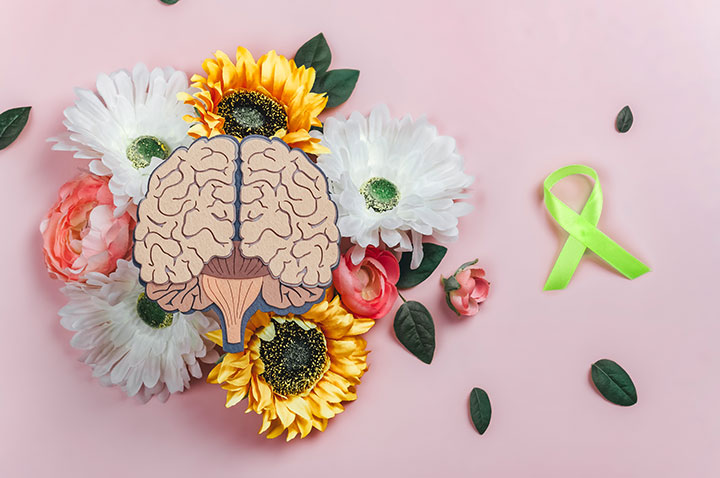
The gut-brain axis is the bidirectional dialogue between our digestion and mood, powered by nerves, hormones, and immune signals. What we eat can influence this chat, and mood can affect gut function. But the science isn’t a single headline; it’s nuanced and evolving.
Evidence In Brief:
- Microbiome influence: Gut bacteria produce metabolites affecting inflammation, barrier function, and neurotransmitter systems. Some studies link fibre-rich, diverse diets with better mood, though effects vary.
- Inflammation link: Diets high in processed foods and added sugars can promote low-grade inflammation, which some researchers associate with mood symptoms. Whole foods, fruits, vegetables, and fermented items may support a calmer profile.
- Probiotics: Certain strains show modest mood benefits in some trials, but results are inconsistent and not universal.
- Serotonin and beyond: Much gut serotonin is produced in the GI tract, but brain mood involves many pathways (sleep, stress hormones, social factors). Gut changes aren’t a guaranteed mood fix, but they matter.
- Individual variation: Genetics, antibiotics, early-life exposures, and baseline gut diversity shape responses. What helps one person may not help another.
Common Myths:
- “One mood-boosting food” exists. Reality: mood reflects overall patterns such as diet, sleep, exercise and stress management, not a miracle food.
- Probiotics fix anxiety/depression for everyone. Reality: benefits are modest, strain and person dependent.
- If you’re sad, fix your gut first. Reality: mood disorders are multifactorial; gut health can help but isn’t a stand-alone cure.
Practical Takeaways:
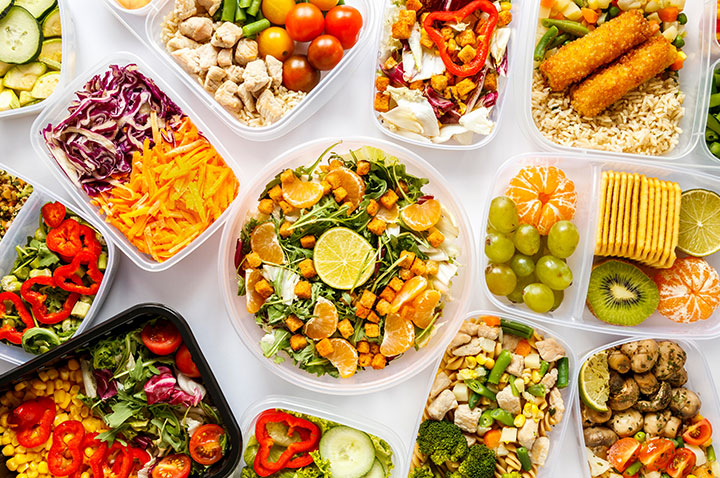
- Eat a diverse, fibre-rich diet: fruits, vegetables, legumes, whole grains, nuts, seeds, and fermented foods if possible.
- Limit ultra-processed foods and added sugars to support energy and inflammation balance.
- Prioritise sleep, stress management, and regular physical activity as co-factors.
- Seek professional care for persistent or severe mood symptoms; gut-focused changes are supportive, not a replacement for evidence-based mental health care.
The gut-brain axis reminds us that food choices matter beyond calories, they can shape how we feel, within a personalised, nuanced landscape.
With Love, Maggie.

A-Z Mental Health
Health Support Directory
Practitioners & Contributors Directory
Depression & Emotional Distress
Substance Misuse
Understanding Grief
Neurodiversity
LGBTQ+
Physical Health & Body Awareness
Food Nutrition & Mental Health
Disability in the Workplace & Career Support
Inspirational Content
Fun & Interactive
Video and Audio
Men’s Mental Health
Trauma
Eating Disorders
Courses and Learning Hub
Social Media
Product Advertisements
Legal and Rights Information