

















.jpg)
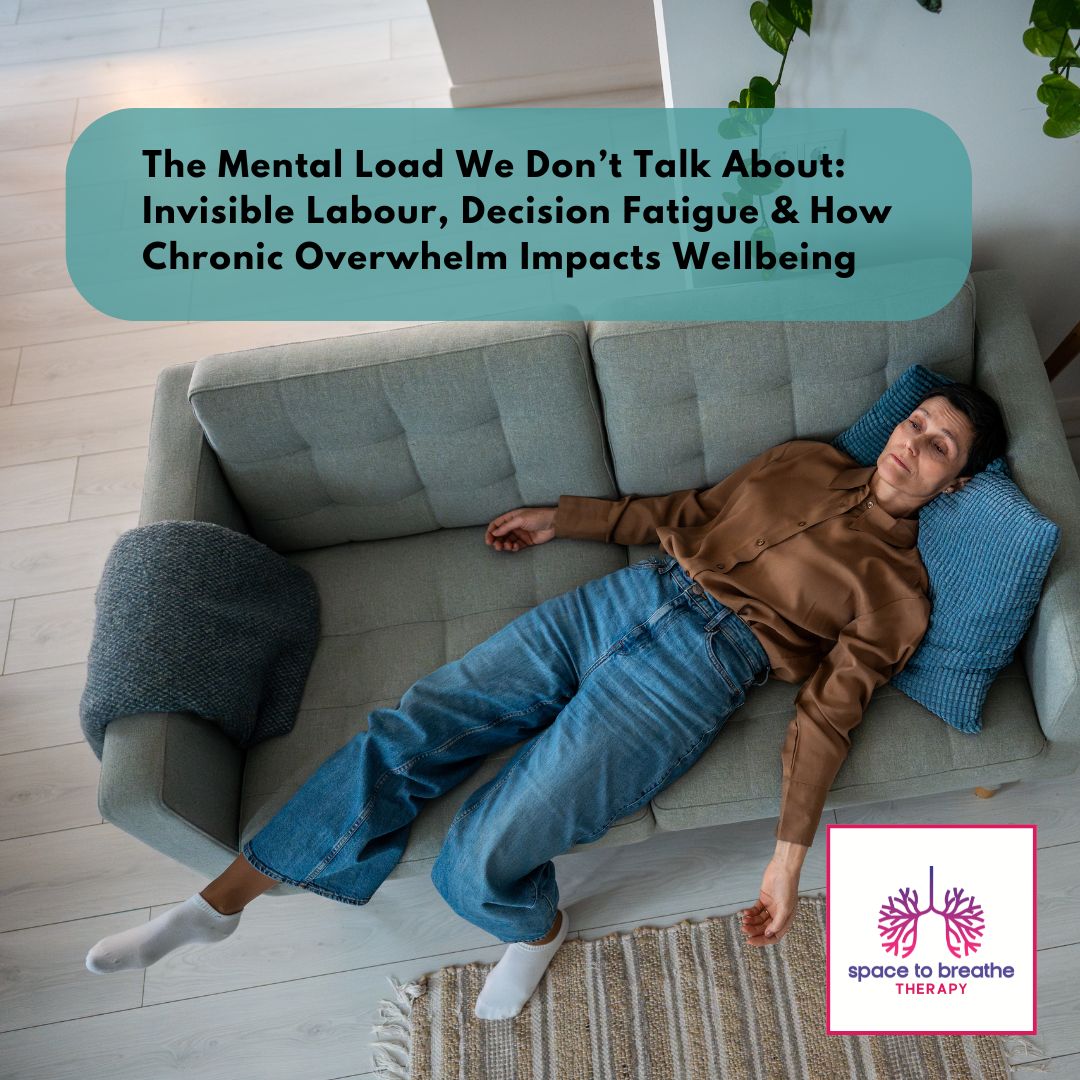
Mental load is the invisible work of holding life together. It’s the ongoing mental effort of remembering appointments, tracking tasks, anticipating needs, planning ahead, and noticing what hasn’t been done yet. It lives in the background, rarely switching off, even during rest. Because it’s unseen, it’s often underestimated, yet it quietly consumes time, energy, and emotional bandwidth.
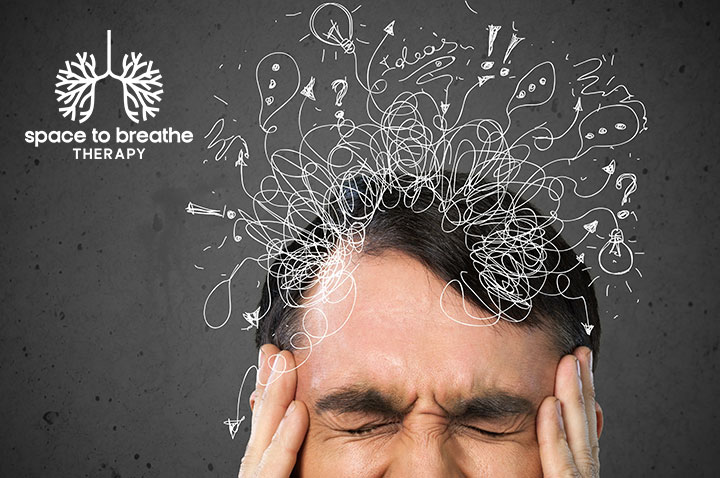
This constant cognitive demand leads to decision fatigue. When the brain is required to make hundreds of choices each day, from practical logistics to emotional regulation, its capacity diminishes. Small decisions can suddenly feel heavy, and motivation can stall. What may appear as procrastination, disengagement, or lack of effort is often an overloaded system attempting to protect itself.
When mental load becomes chronic, the impact on wellbeing is significant. Persistent overwhelm can contribute to anxiety, irritability, disrupted sleep, emotional numbness, and burnout. It can make rest feel unproductive, joy harder to access, and recovery slower than expected. For neurodivergent individuals, caregivers, parents, and those managing illness, trauma, or financial stress, the load is often heavier and less optional.
Invisible labour also carries an emotional cost. Feeling responsible for everything, while receiving little recognition, can erode self-worth and fuel resentment or guilt. Over time, people may internalise the belief that struggling is a personal failure rather than a reasonable response to excessive demand.
Naming mental load matters. When it’s acknowledged, it becomes something that can be shared, reduced, or restructured. Support doesn’t always mean doing more; it can mean simplifying systems, externalising reminders, reducing decisions, setting clearer boundaries, and allowing rest without justification.
Wellbeing isn’t just about coping better with overwhelm, it’s about questioning why so much of it is carried silently. Making the unseen visible creates space for compassion, balance, and more sustainable ways of living.
With Love, Maggie.




