



























.jpg)
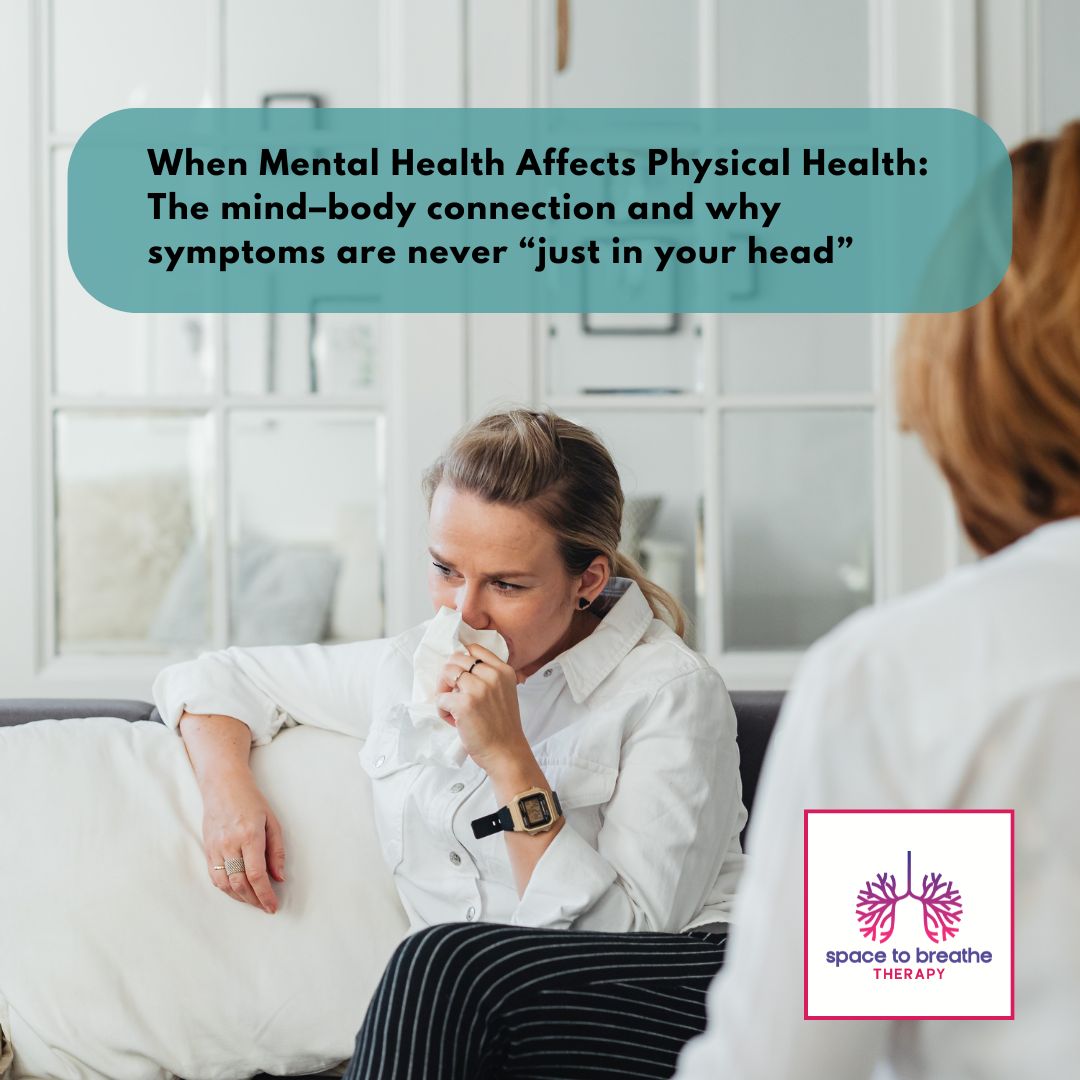
We often speak about mental and physical health as though they are separate systems, operating independently. In reality, they are deeply intertwined. The brain is part of the body. Thoughts trigger chemical signals. Emotions activate the nervous system. Stress alters hormones. There is no clear dividing line.
Anxiety can tighten the chest, disturb breathing, and create dizziness or nausea. Depression can slow movement, disrupt sleep, suppress appetite, and amplify pain. Chronic stress can affect immunity, digestion, blood pressure, and inflammation. Trauma can leave the body on constant alert, even when the threat has long passed.
These symptoms are not imagined. They are physiological responses driven by very real biological processes. When the nervous system stays in “fight or flight” mode, cortisol and adrenaline remain elevated. Muscles tense. The gut slows or speeds unpredictably. Headaches, fatigue, skin flare-ups, and heart palpitations can follow. The body keeps the score.
Equally, physical health conditions can affect mental wellbeing. Hormonal imbalances, autoimmune conditions, chronic pain, and sleep disorders can influence mood, concentration, and emotional regulation. When someone says they feel anxious or low, it may reflect psychological stress, a medical condition, or most often, a combination of both.
Dismissing symptoms as “just in your head” overlooks this complexity. It invalidates experience and delays support. A racing heart during anxiety is not pretend. Exhaustion during depression is not laziness. Gut issues during prolonged stress are not weakness. They are signals, information from a system trying to cope.
Understanding the mind–body connection encourages integrated care. It reminds us that treatment may involve therapy, medication, lifestyle adjustments, medical investigation, or all of the above. It also invites compassion. When someone is struggling mentally, their body may be carrying the strain. When someone is unwell physically, their mind may be absorbing the impact.
Health is not divided into compartments. It is one interconnected system. Listening to both the psychological and physical aspects of symptoms is not indulgent, it is essential.
With Love, Maggie.