





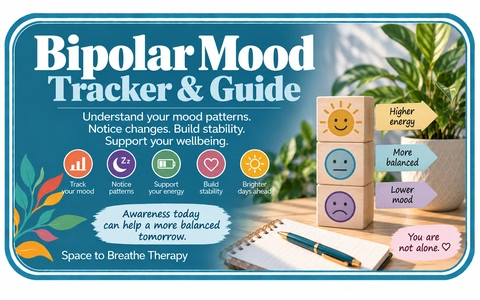
BIPOLAR MOOD — TRACKER & GUIDE
Understand patterns. Notice changes. Support stability.
Mood is only one part of the picture when understanding bipolar disorder.
Changes in energy, sleep, activity, irritability, speech, concentration, confidence, impulsivity and everyday functioning can also provide important information.
The Bipolar Mood Tracker & Guide is designed to help someone notice their own patterns and identify changes from their personal baseline.
Inside the full guide you will find:
• an accessible explanation of mood tracking
• guidance on understanding your personal baseline
• a detailed daily mood and energy tracker
• sleep, irritability and activity monitoring
• prompts for speech, thoughts, concentration and confidence
• impulsivity and functioning check-ins
• a full weekly pattern tracker
• a -3 to +3 mood scale
• personal early-warning-sign worksheets
• prompts for changes in sleep, energy and behaviour
• space to identify people who may notice changes
• a stability and support plan
• planning for both rising and falling mood
• medication safety guidance
• guidance on when to contact professional support
• urgent and crisis-support information
• a personal message from me
A mood tracker cannot diagnose bipolar disorder. Diagnosis needs an appropriate clinical assessment that considers the pattern, duration, severity and impact of symptoms and other possible explanations.
Tracking is about awareness rather than judgement.
Try to look for patterns rather than interpreting one difficult day or one energetic morning in isolation.
What does your usual amount of sleep look like?
What happens to your energy when your mood begins to change?
Do other people notice changes before you do?
What helps you stay more stable?
Awareness today can sometimes help you respond earlier tomorrow.
And if you notice significant changes, you do not have to manage them alone.
Space to Breathe Therapy




