





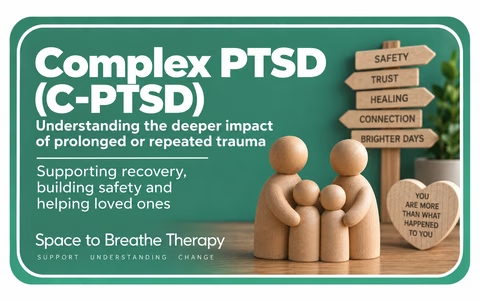
COMPLEX PTSD (C-PTSD) - A GUIDE FOR FAMILY & LOVED ONES
Complex PTSD can affect much more than trauma memories. Prolonged or repeated trauma can shape emotional regulation, identity, shame, trust, attachment, boundaries and the ability to feel safe in close relationships.
This detailed Space to Breathe Therapy guide explains how Complex PTSD differs from PTSD and explores emotional flashbacks, dissociation, shutdown, hypervigilance, shame, negative self-beliefs, intimacy, attachment, people-pleasing, control and the impact of trauma on parenting and family relationships.
There is practical guidance on responding to emotional flashbacks, grounding, communication, predictable pauses and returns, relationship repair, professional assessment, treatment, trauma-focused CBT, EMDR, stabilisation, pacing and what recovery can look like.
A substantial section is devoted to loved ones: walking on eggshells, support versus rescue, secondary trauma, burnout, boundaries, protecting children, financial and emotional safeguarding and recognising when a trauma history is being used to explain behaviour that still requires a firm safety response.
The guide contains seven practical coaching tools, including an emotional-flashback card, past-or-present check, two-person needs map, relationship-repair exercise, boundary-and-return plan, reclaiming-self plan and supporter recovery plan. It also includes recommended books, UK and clinical resources, a clinical note and a personal message from Maggie.
The central message is that recovery should create more safety and more life for both people. Understanding trauma does not require the survivor to remain trapped in the past or the supporter to disappear inside the caring role.




