





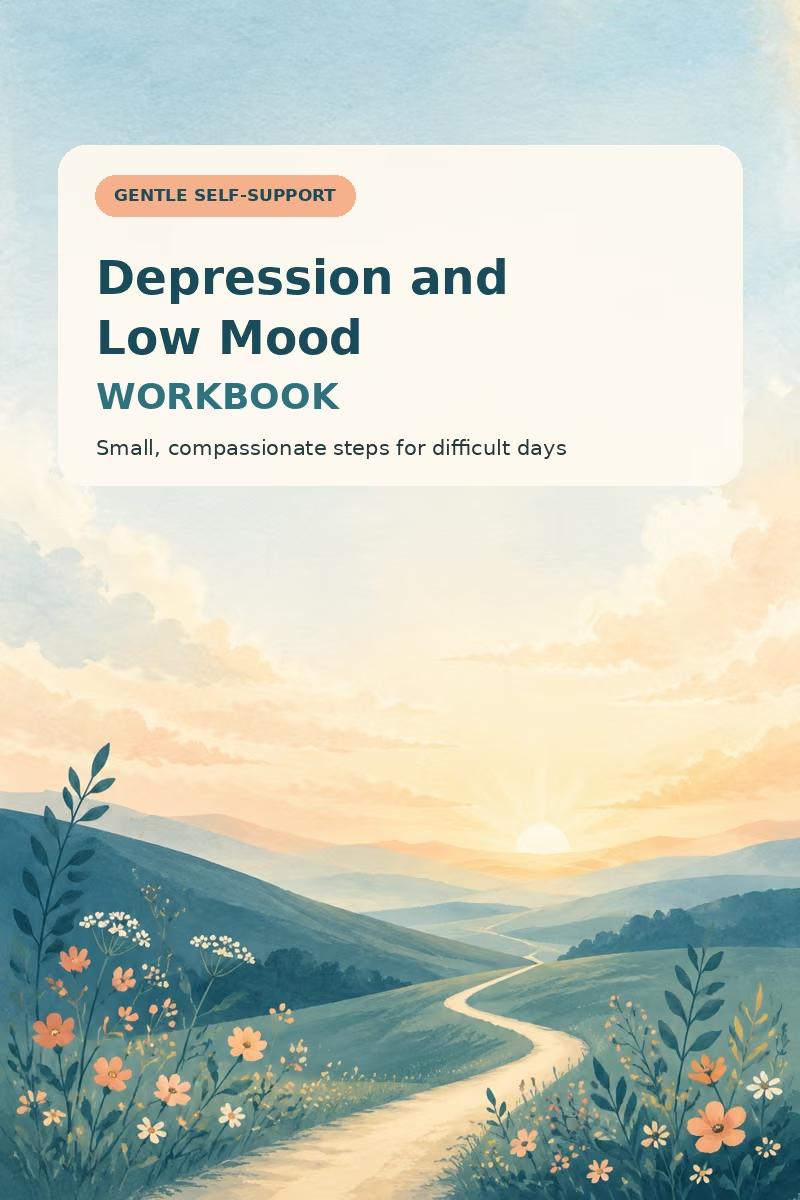
DEPRESSION AND LOW MOOD WORKBOOK
A gentle, practical six-page workbook for anyone experiencing depression, persistent low mood, emotional heaviness or a loss of motivation and enjoyment. This resource offers a calm place to pause, understand what may be happening and take small steps without pressure, blame or forced positivity.
The workbook helps readers recognise how low mood affects their thoughts, feelings, body, routines and relationships. Reflective prompts support them to notice possible triggers, early warning signs, personal needs and the things that can help, even slightly. A tiny-step activity ladder makes everyday tasks feel more manageable, while the balanced-thinking page encourages a fairer and more compassionate response to painful thoughts.
The final page brings everything together in a personal support plan, including sources of comfort, people or services to contact, a realistic plan for the next 24 hours and space to write a kind message for a difficult day. Clear UK urgent-support information is included for anyone who feels unsafe or unable to cope.
This workbook may be used independently, alongside therapy or coaching, or as a supportive conversation tool with a trusted person. It is designed to be completed slowly: readers can choose one page, one prompt or one tiny action at a time.
Inside the workbook:
- Understanding low mood and depression
- Recognising symptoms, influences and personal patterns
- Identifying early warning signs and unmet needs
- Using gentle behavioural activation and tiny-step planning
- Responding to difficult thoughts with balance and compassion
- Creating a practical 24-hour and ongoing support plan
- UK crisis and urgent mental health support information
Please note: This workbook is a supportive educational resource and is not a diagnosis or a replacement for medical care, therapy or emergency support. If symptoms are persistent, worsening or affecting daily life, readers are encouraged to contact their GP or a qualified mental health professional. If there is immediate danger, call 999 or go to A&E.




