




THOUGHTS, FEELINGS AND BEHAVIOURS MAP
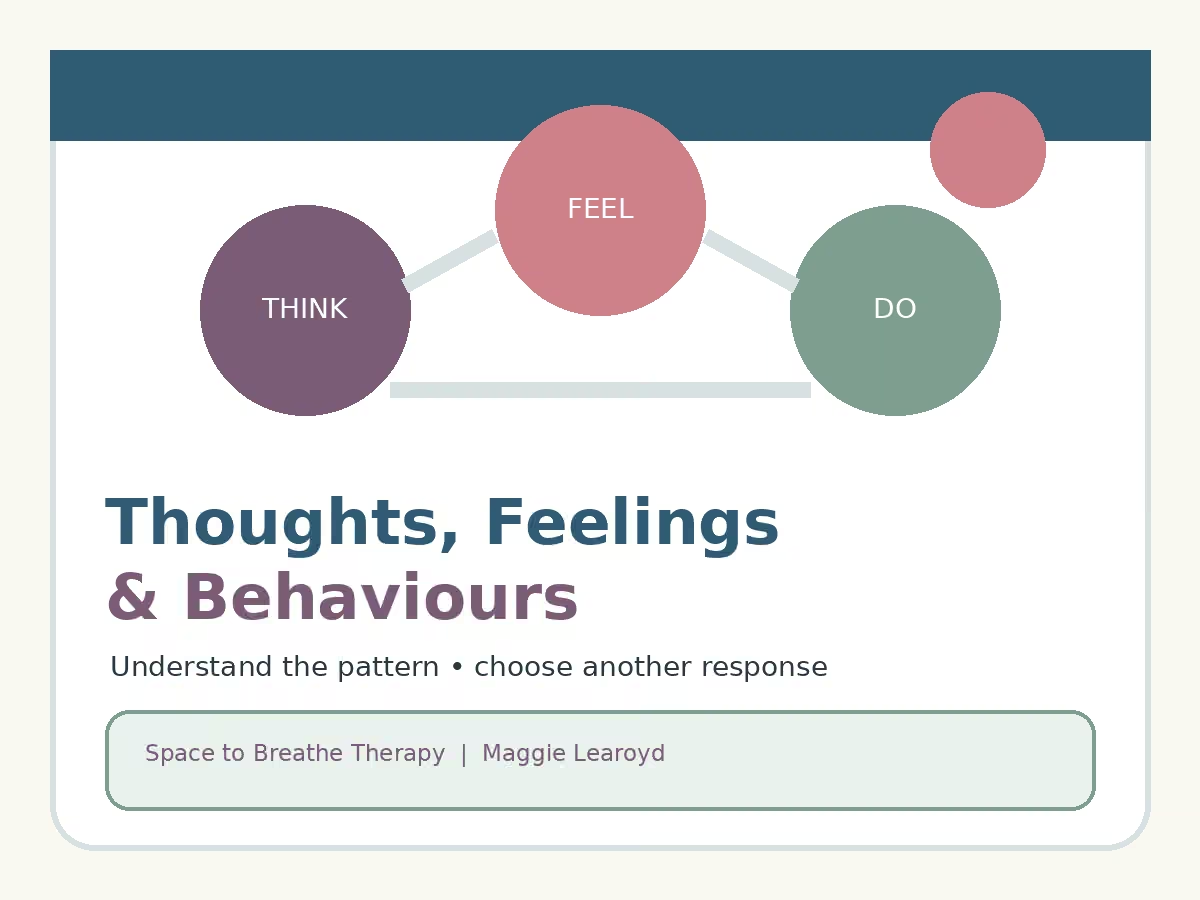
When something difficult happens, our thoughts, feelings, body sensations and actions can become linked so quickly that the whole experience feels like one overwhelming reaction. We may notice only the emotion, only the thought or only what we did afterwards. Slowing the pattern down can help us understand what was happening without judging ourselves for it.
I created this one-page Thoughts, Feelings and Behaviours Map as a gentle reflective tool. It draws on ideas commonly used within cognitive and behavioural therapies, but it is not about telling yourself to “think positively” or deciding that your feelings are wrong. The aim is to notice the different parts of an experience and explore whether another response might be possible.
The worksheet begins with one specific situation. Recording what happened, where you were, who was present and what you noticed first helps keep the reflection connected to a real moment rather than every difficult experience at once.
You can then explore the thoughts, images, predictions or meanings that appeared. Sometimes the most powerful part is not only what happened, but what the mind said it meant: that we had failed, that somebody was rejecting us, that something terrible was about to happen or that we would not cope.
The next two sections make space for emotions, physical sensations, behaviours and urges. You might notice fear, anger, shame, sadness or relief alongside a racing heart, heaviness, tension or numbness. You can also record what you did, avoided, delayed or felt pulled towards doing. These responses often make sense as attempts to protect ourselves, even when they create difficulties later.
The alternative sections invite curiosity rather than correction. Is there another way to understand the situation? What would you say to someone you care about? Could a different perspective make room for another feeling? Which behaviour might be kinder, safer or more effective? The original thought and emotion do not need to vanish before you choose a helpful next step.
Use this sheet when you feel settled enough to reflect. If the exercise becomes overwhelming, pause and return later or complete it with a therapist. Understanding a pattern is not the same as blaming yourself for it; it is a way of creating a little more choice for the future.
With warmth,
Maggie
Space to Breathe Therapy
This educational worksheet does not replace personalised medical or psychological care.