Chronic Illness - Living with a chronic illness can affect many areas of life, including physical health, emotional wellbeing, and daily routines. This page explores the challenges people may face when managing long-term health conditions and how individuals can support their wellbeing while navigating ongoing health concerns.
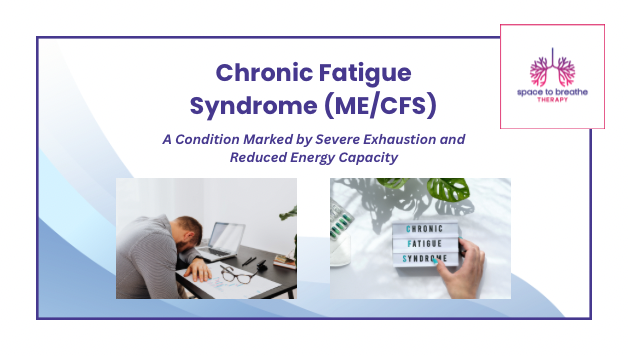
Chronic Fatigue Syndrome (ME/CFS) - A Condition Marked by Severe Exhaustion and Reduced Energy Capacity
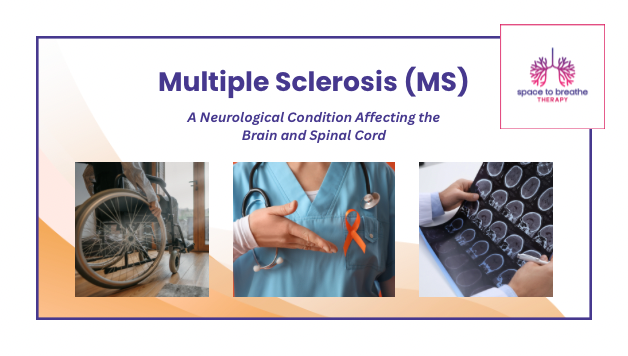
Multiple Sclerosis (MS) - A Neurological Condition Affecting the Brain and Spinal Cord
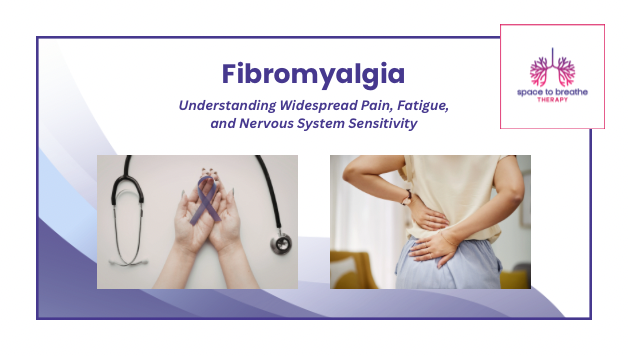
Fibromyalgia - Understanding Widespread Pain, Fatigue, and Nervous System Sensitivity

Endometriosis - A Chronic Condition Linked to Pain and Inflammation
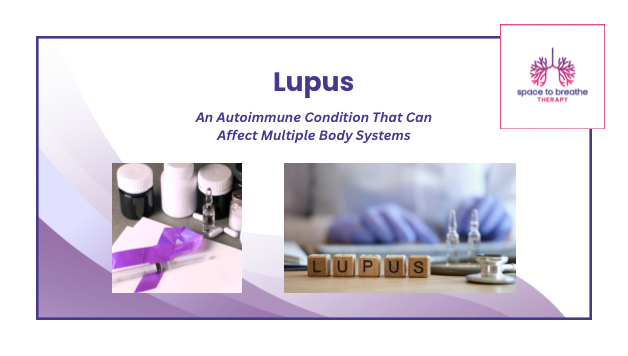
Lupus - An Autoimmune Condition That Can Affect Multiple Body Systems
Fatigue - Fatigue is more than simply feeling tired. It can involve deep physical and mental exhaustion that does not always improve with rest. Fatigue may be connected to stress, illness, sleep difficulties, emotional strain, or nervous system overload. This section explores possible causes and ways to better understand this experience.

Physical fatigue and the nervous system
Why Your Body Feels Drained Without Clear Cause
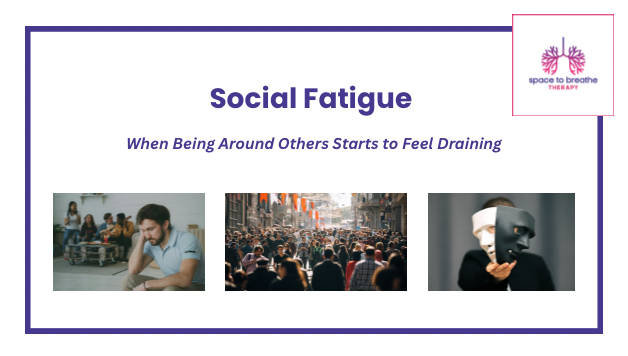
Social fatigue
When Being Around Others Starts to Feel Draining
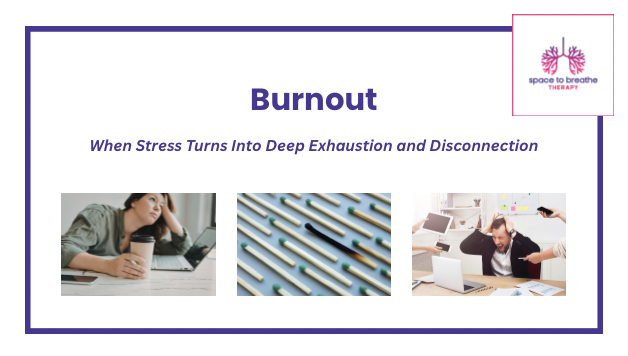
Burnout
When Stress Turns Into Deep Exhaustion and Disconnection
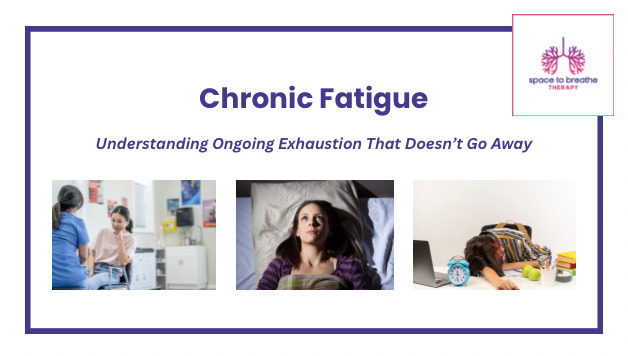
Chronic fatigue
Understanding Ongoing Exhaustion That Doesn't Go Away

Decision fatigue
Why Even Small Choices Can Feel Overwhelming
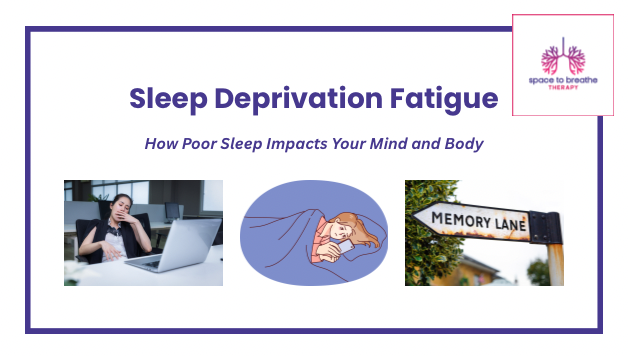
Sleep deprivation fatigue
How Poor Sleep Impacts Your Mind and Body
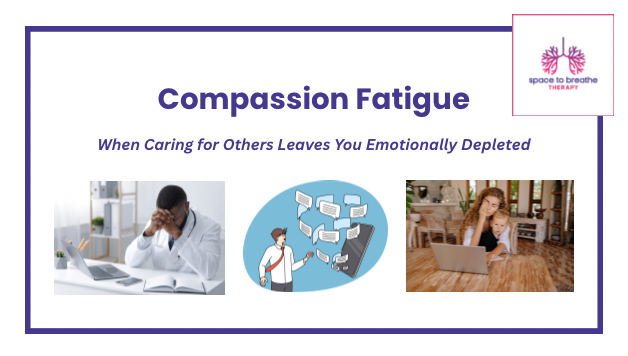
Compassion fatigue
When Caring for Others Leaves You Emotionally Depleted
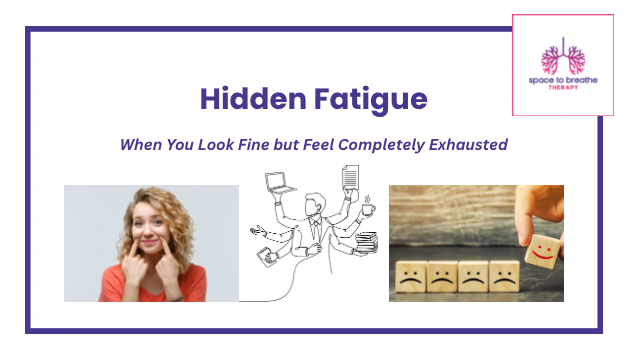
Hidden fatigue
When You Look Fine but Feel Completely Exhausted

Emotional fatigue
When Your Feelings Feel Heavy and Hard to Carry
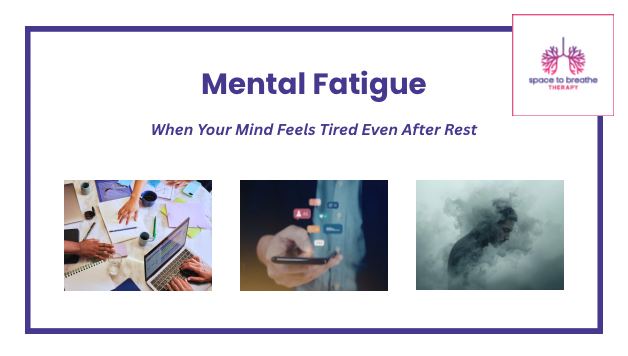
Mental fatigue
When Your Mind Feels Tired Even After Rest
Hormones - Hormones play a significant role in regulating mood, energy, sleep, and many bodily functions. Changes in hormonal balance throughout life can influence emotional wellbeing and physical health. This page explores how hormones affect the body and how hormonal shifts may impact mood and daily functioning.
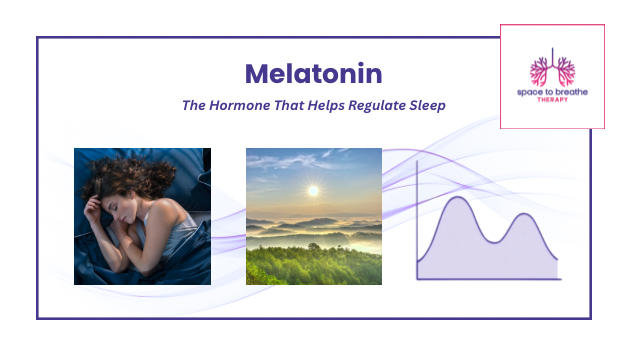
Melatonin - The Hormone That Helps Regulate Sleep

Adrenaline - Why the Body Feels "On Edge" During Stress
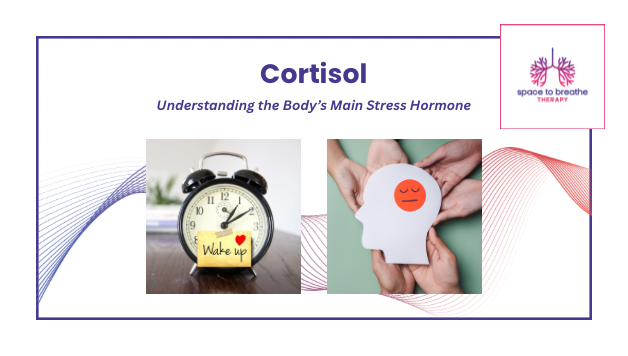
Cortisol - Understanding the Body's Main Stress Hormone

Serotonin - Mood, Emotional Balance, and Everyday Wellbeing
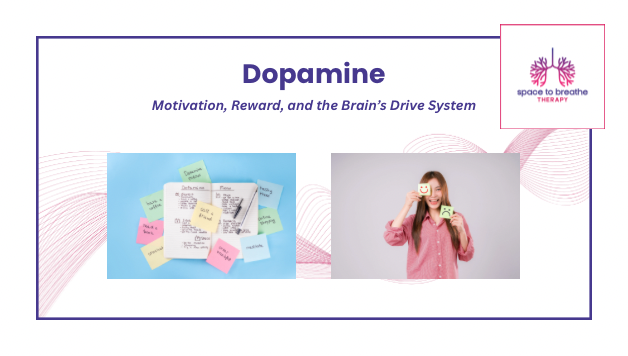
Dopamine - Motivation, Reward, and the Brain's Drive System
Nervous System - The nervous system plays a central role in how the body responds to stress, safety, and emotional experiences. When the nervous system becomes overwhelmed or dysregulated, it can affect both physical and mental wellbeing. This section explores how the nervous system works and how it influences emotional and physical responses.
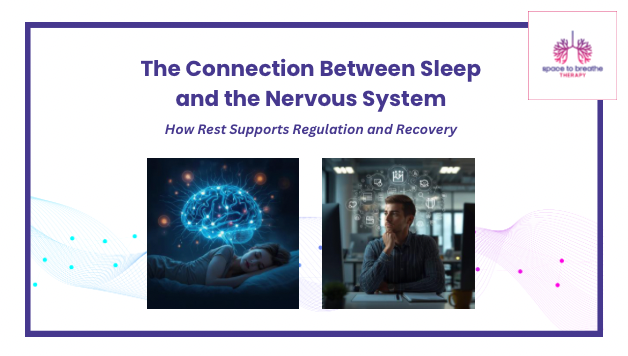
The Connection Between Sleep and the Nervous System

The Role of the Vagus Nerve

The Mind Body Connection

Nervous System Regulation — What Helps

Why Small Triggers Can Feel Big
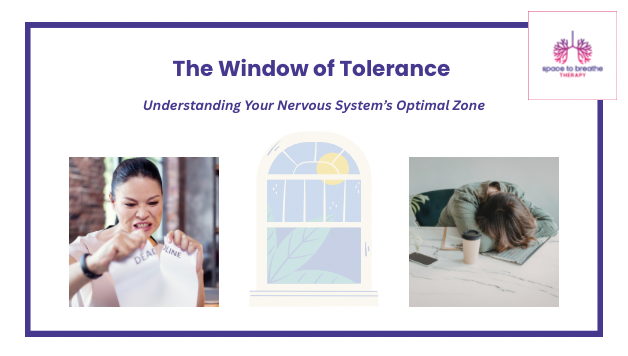
The Window of Tolerance

What Does It Mean to Feel Safe in Your Body
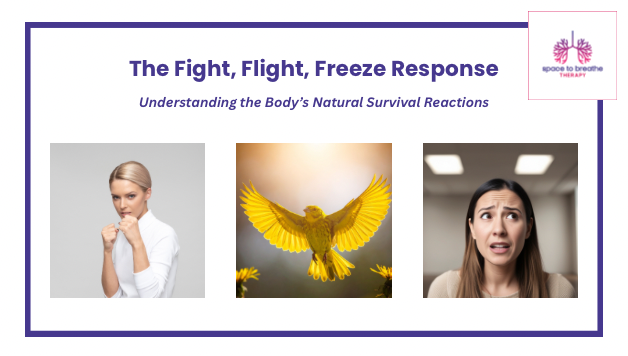
The Fight, Flight, Freeze Response
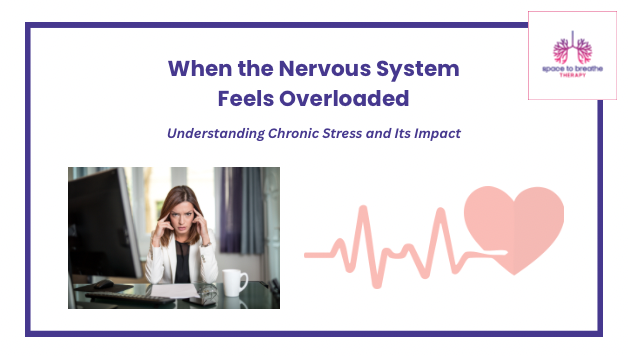
When the Nervous System Feels Overloaded
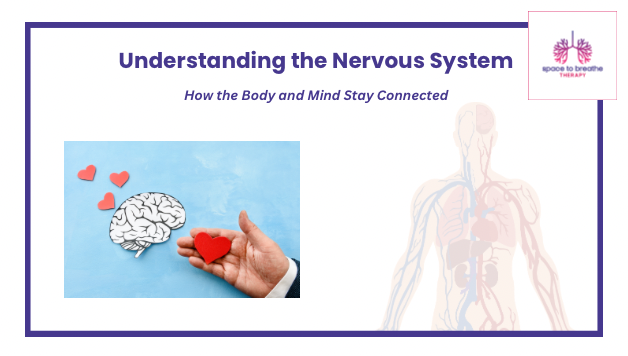
Understanding the nervous system
Sleep - Sleep is essential for both physical health and emotional balance. Poor sleep can affect mood, concentration, energy levels, and the body’s ability to recover from stress. This page explores the importance of sleep, common sleep challenges, and ways to support healthier sleep patterns.
Sleep & The Immune System
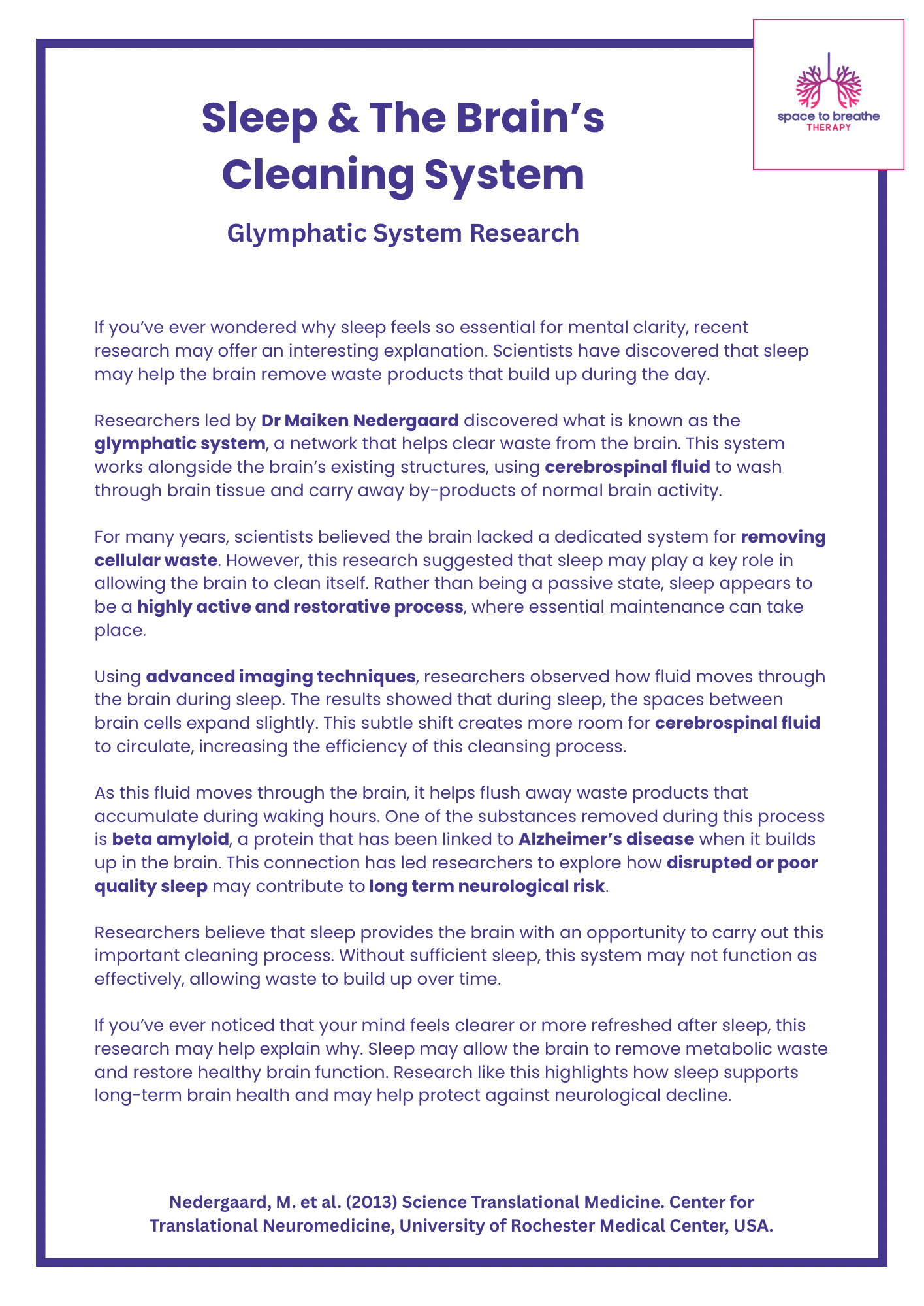
Sleep & The Brain's Cleaning System
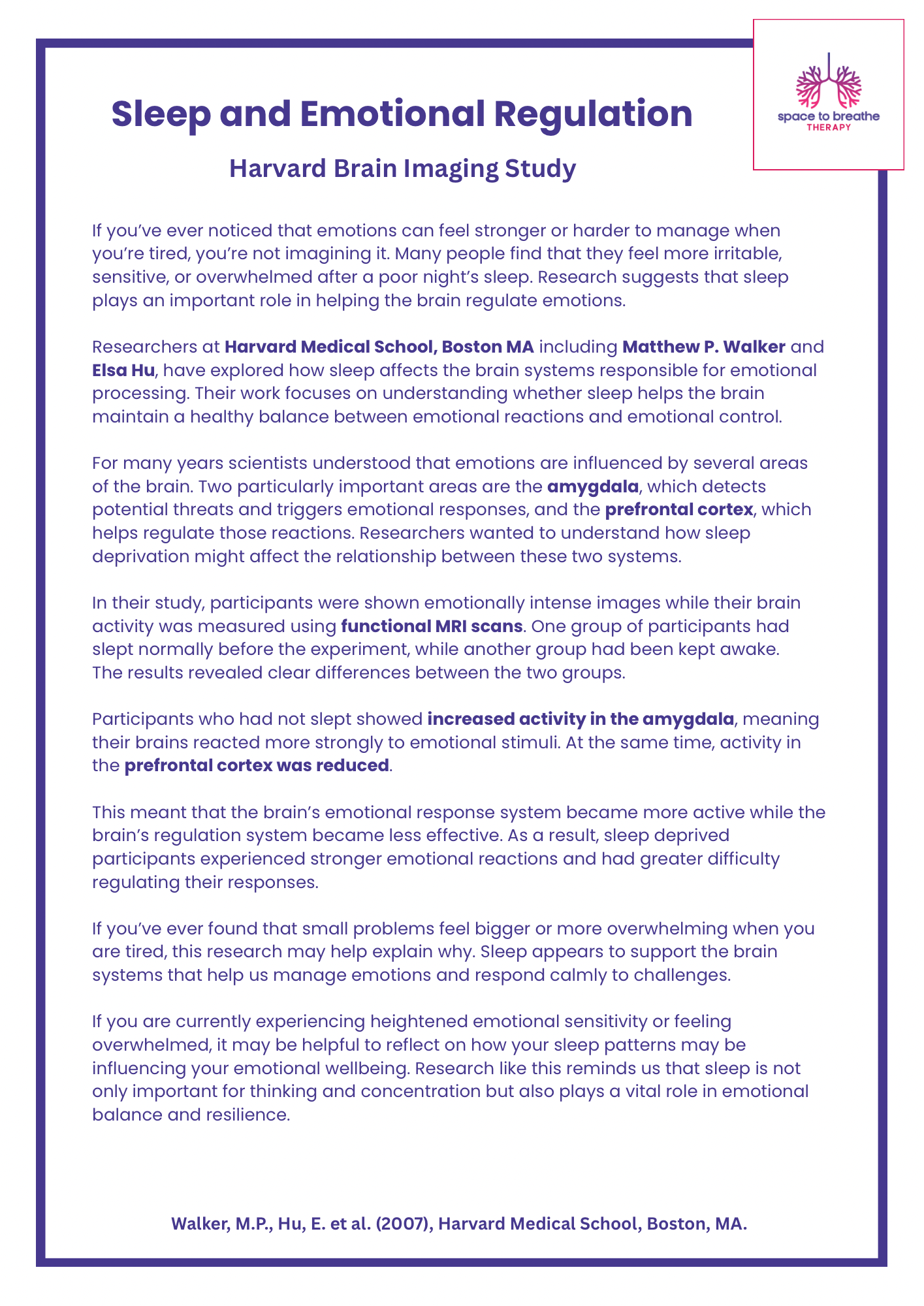
Sleep & Emotional Regulation

Sleep & Decision Making
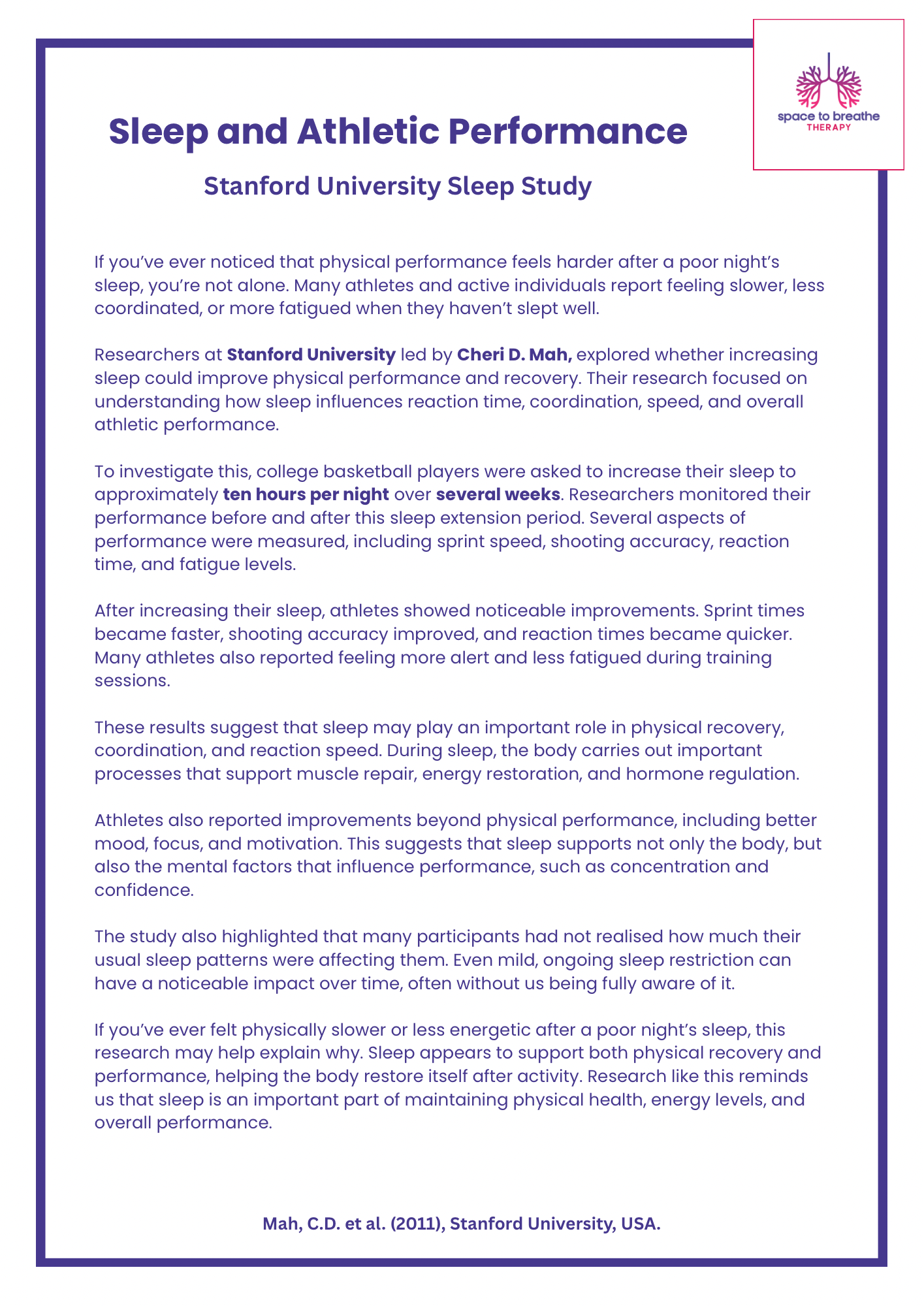
Sleep & Athletic Performance
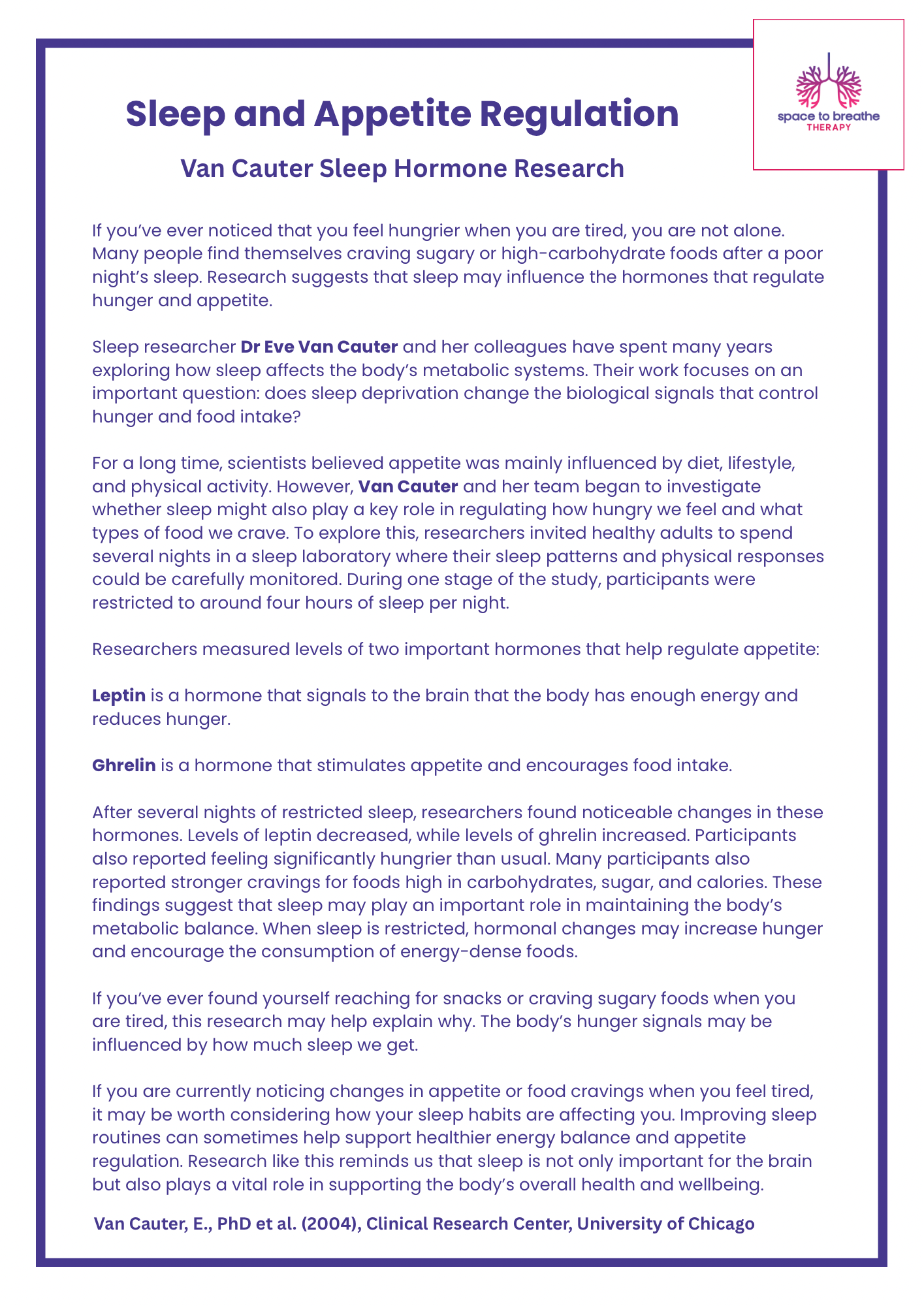
Sleep & Appetite Regulation
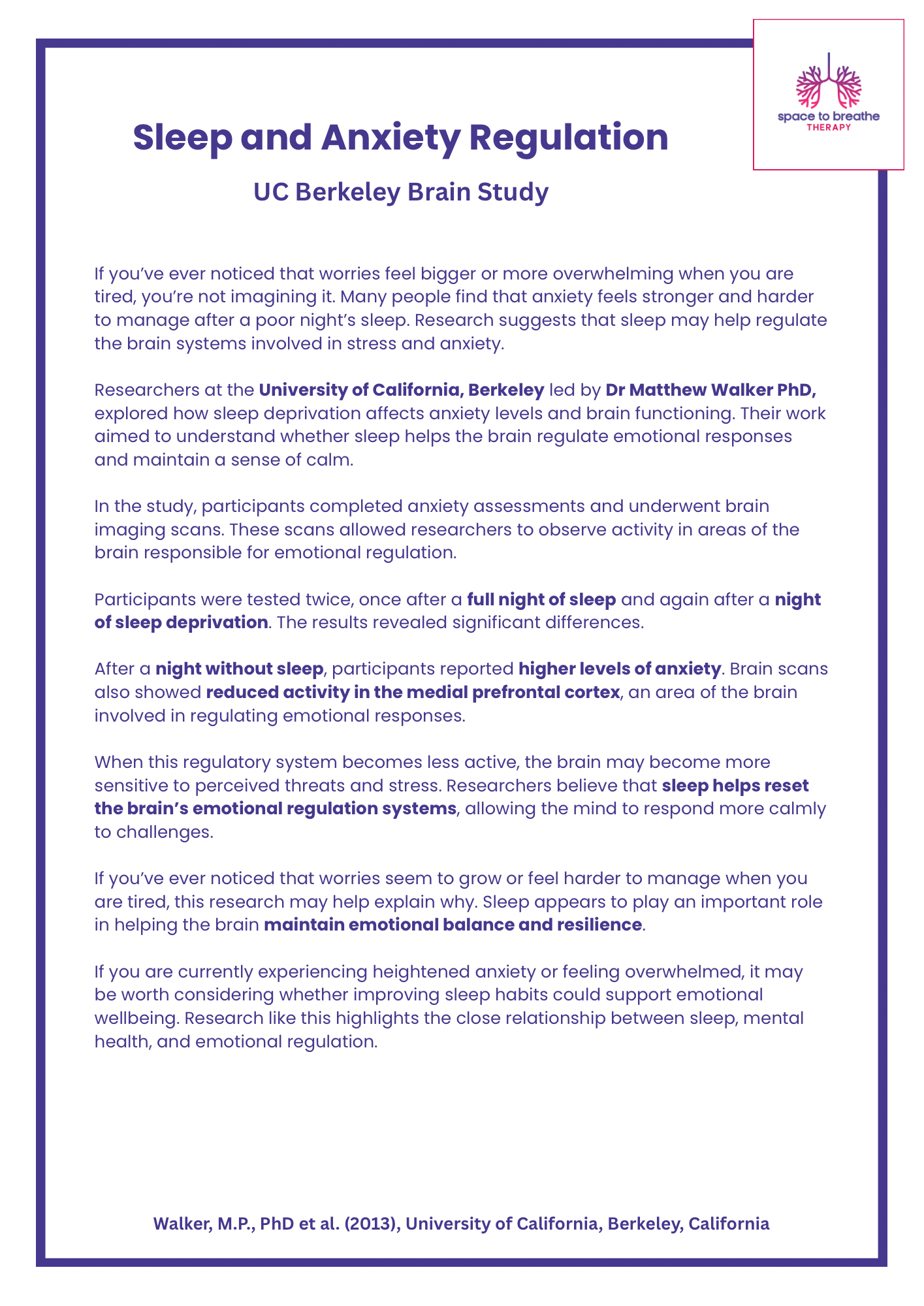
Sleep & Anxiety Regulation
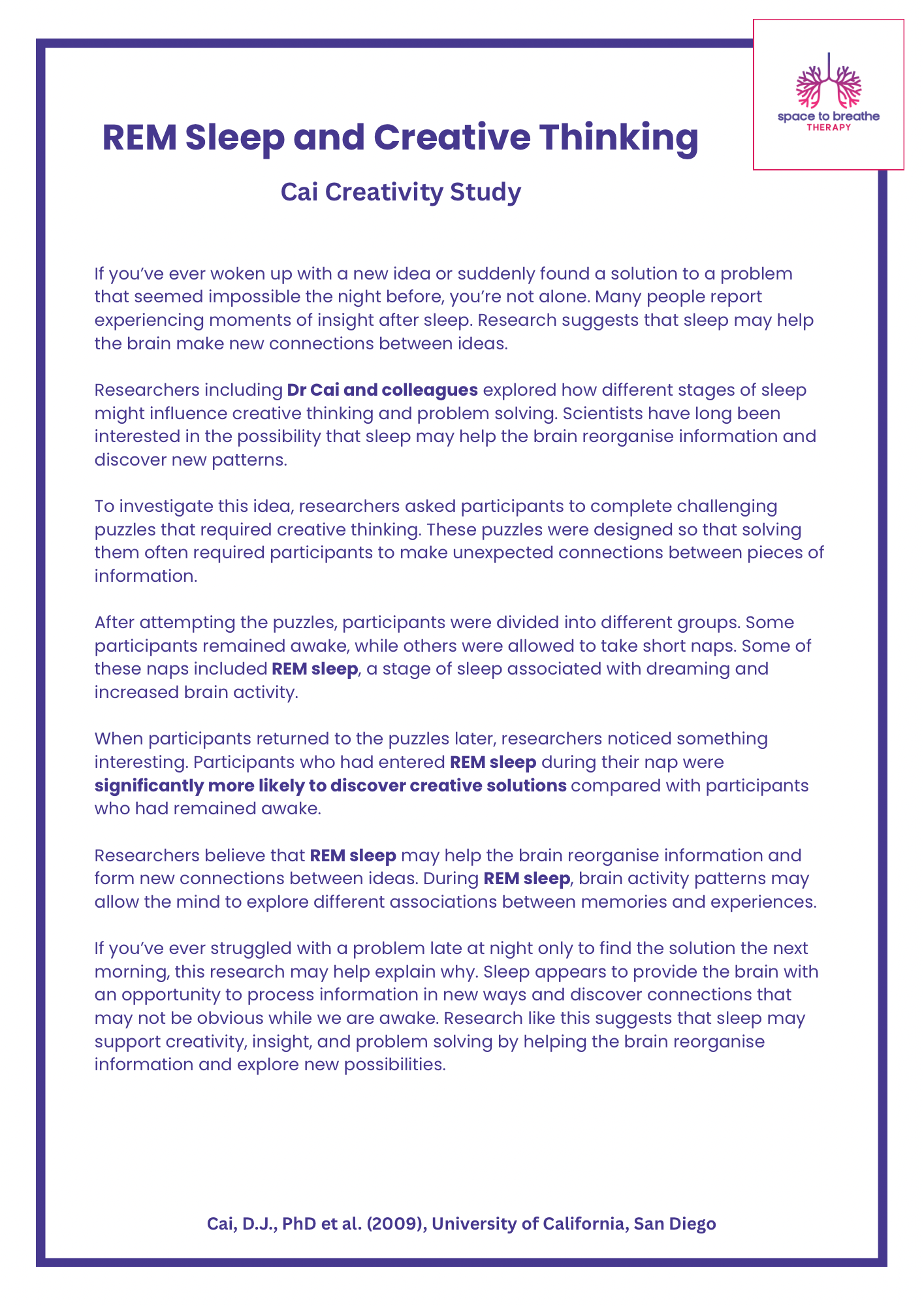
REM Sleep & Creative Thinking
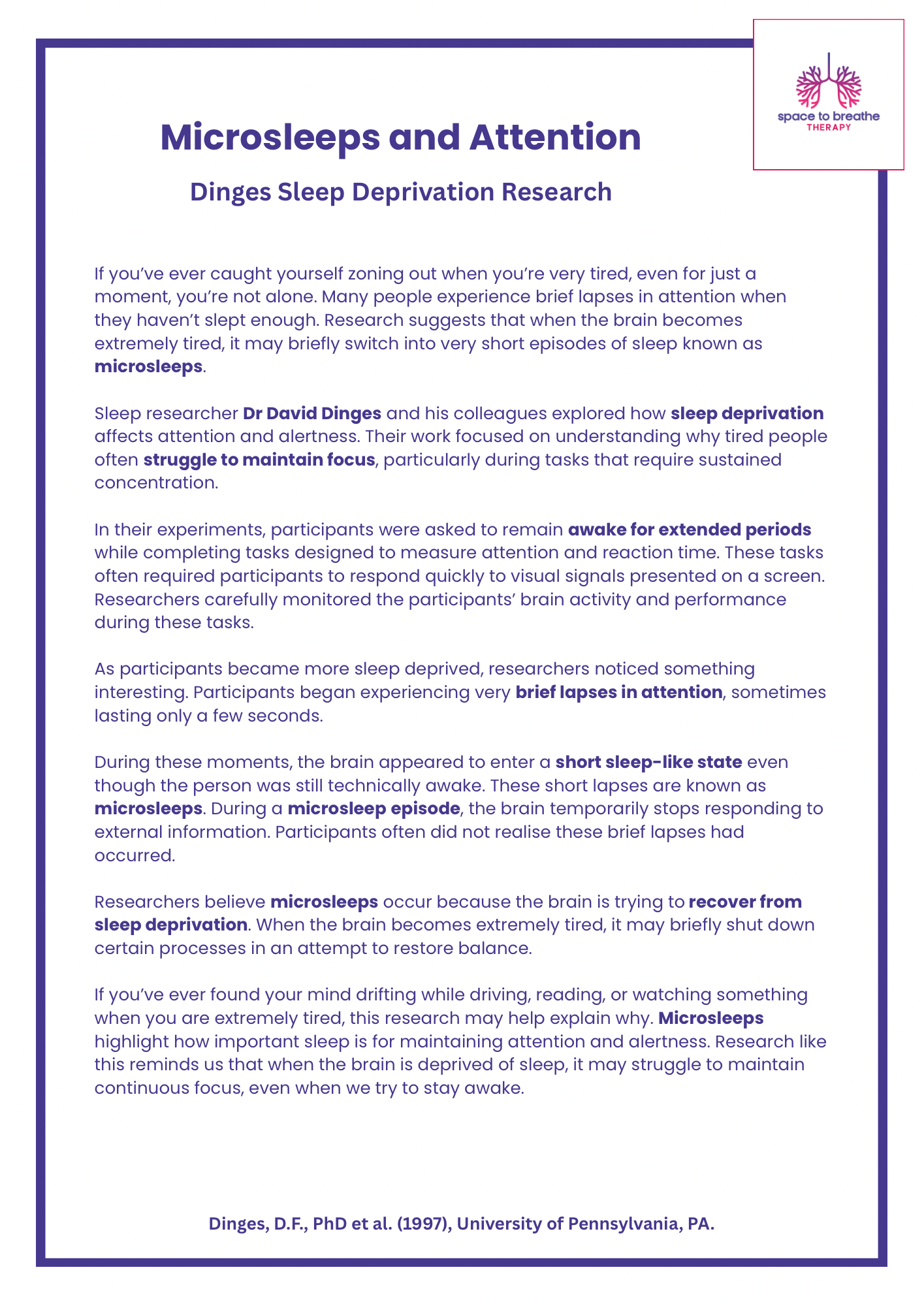
Microsleeps & Attention
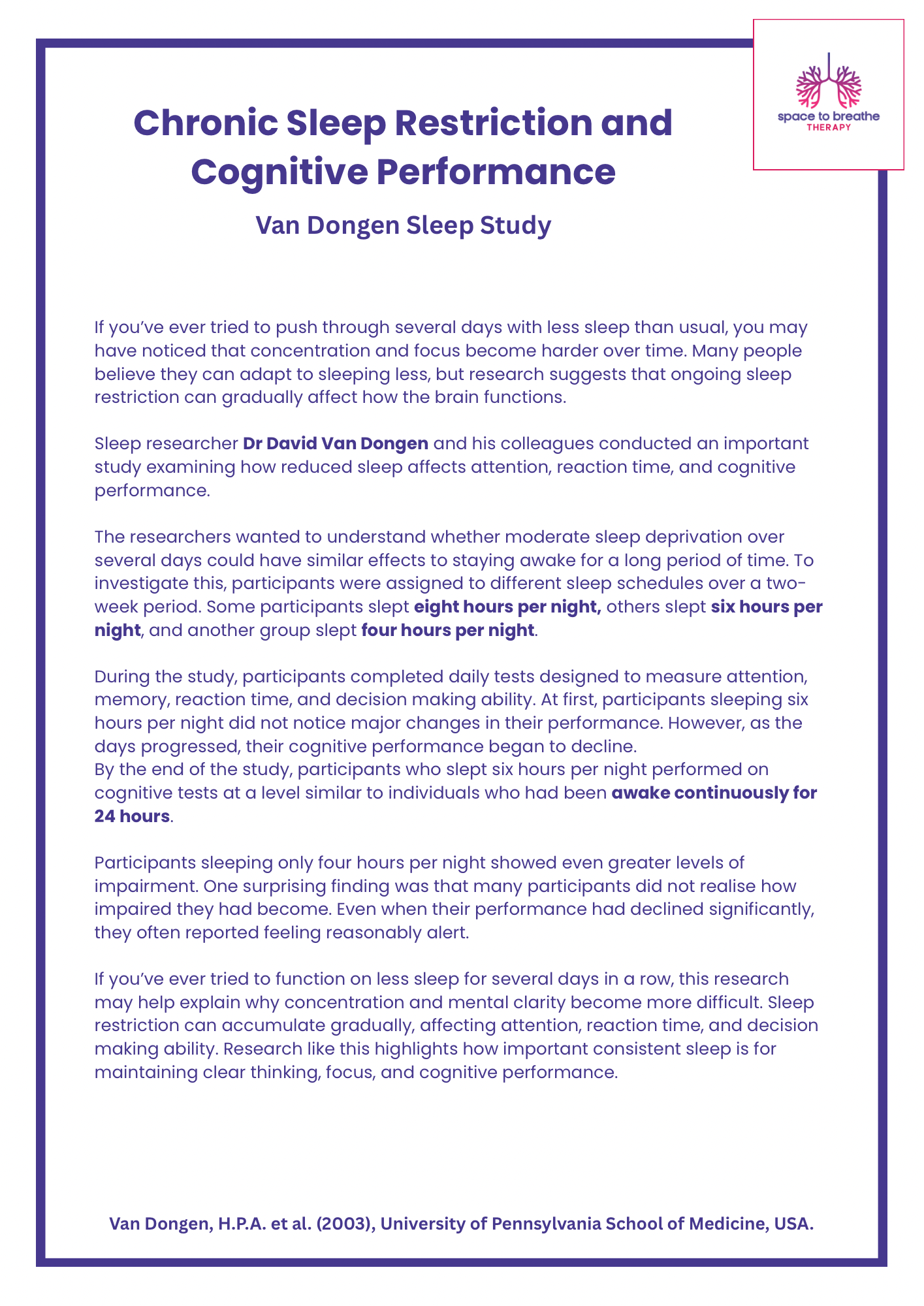
Chronic Sleep Restriction and Cognitive Performance
Phobias - A phobia is an intense and persistent fearof a specific object, situation, or activity that is out of proportion to anyreal danger it presents. Phobias are a type of anxiety disorder and can causesignificant distress, often leading people to avoid everyday situations in waysthat affect their wellbeing and daily life. This page explores what phobiasare, how they develop, and ways to better understand and manage thisexperience.
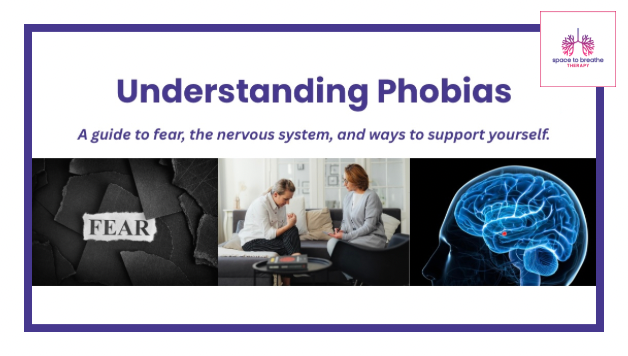
Understanding phobias

Cynophobia

Claustrophobia

Arachnophobia

Aerophobia
Sleep - Sleep is essential for both physical health and emotional balance. Poor sleep can affect mood, concentration, energy levels, and the body’s ability to recover from stress. This page explores the importance of sleep, common sleep challenges, and ways to support healthier sleep patterns.
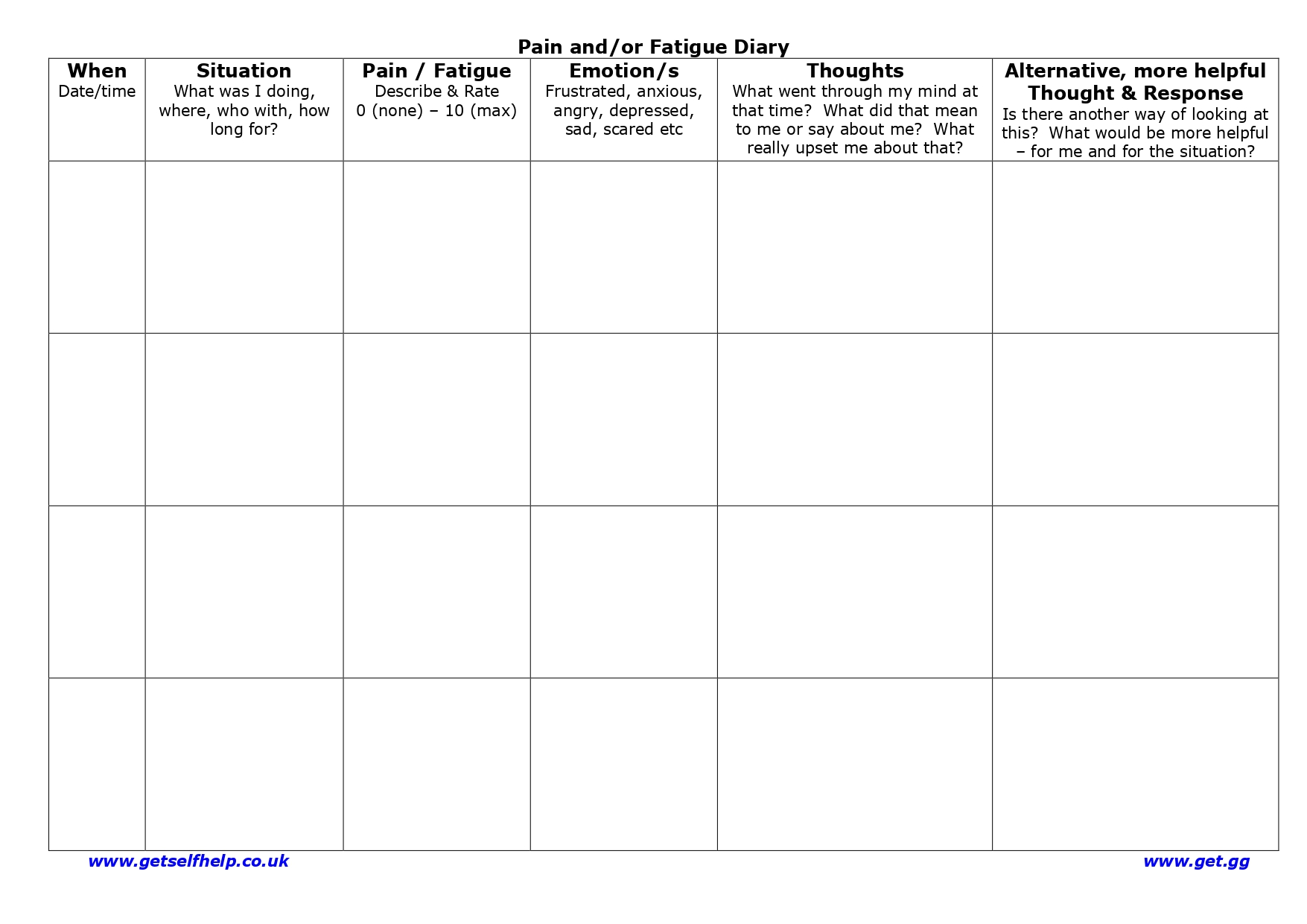
Pain and/or Fatigue Diary

Sleep Diary