
























.jpg)
Fun and Interactive
Fun and Interactive | Community Hub
Engaging trivia, downloadable PDFs, and bite-sized blogs sharing latest mental health insights and updates.

Fun and Interactive | Community Hub
Engaging trivia, downloadable PDFs, and bite-sized blogs sharing latest mental health insights and updates.

Allowing honest emotions supports healing, reduces pressure to perform positivity, and creates safety for processing.

Gentle pauses between tasks help regulate stress, improve focus, and support emotional balance.
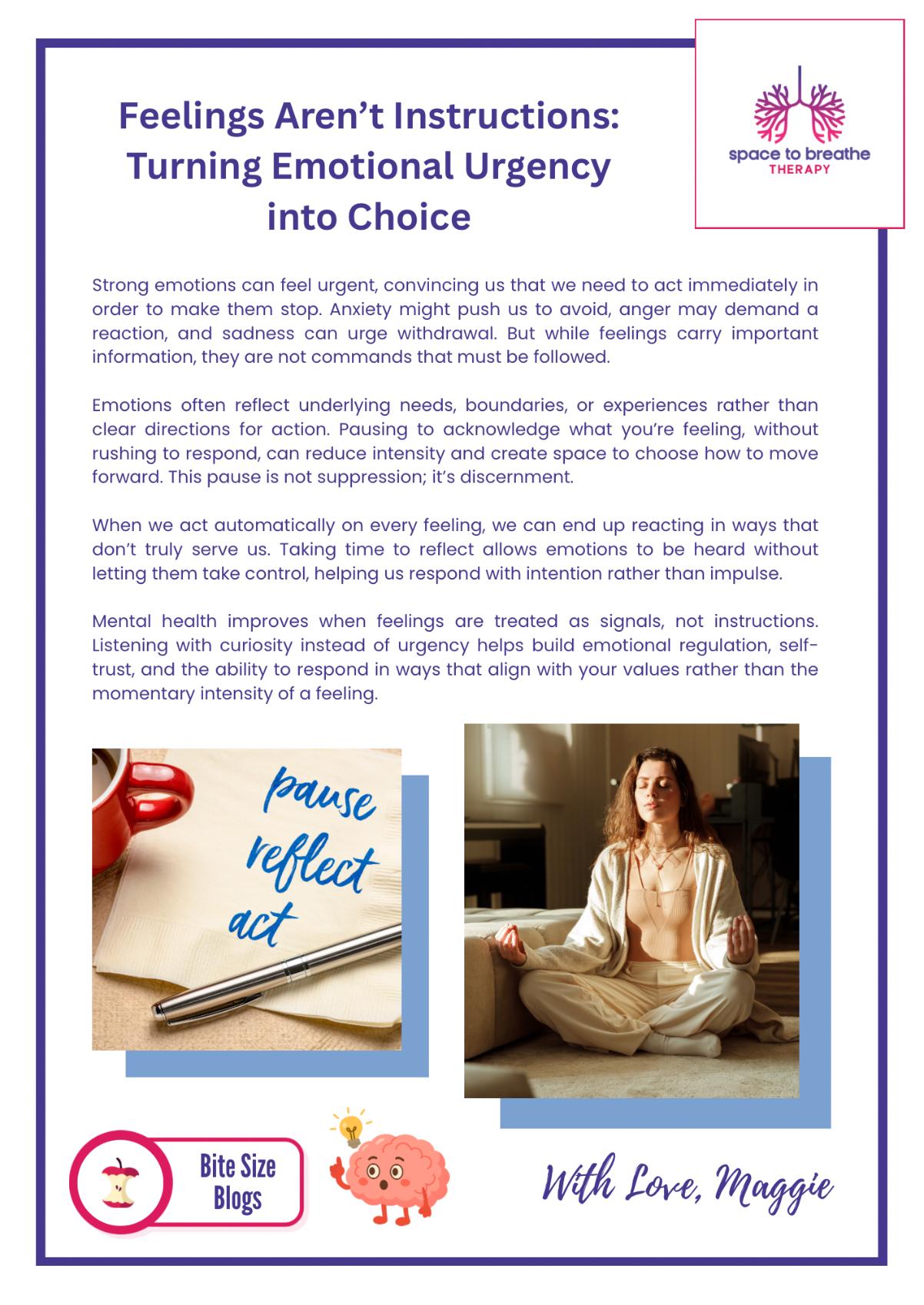
Pausing before reacting allows emotions to inform choices without controlling behaviour or decisions.
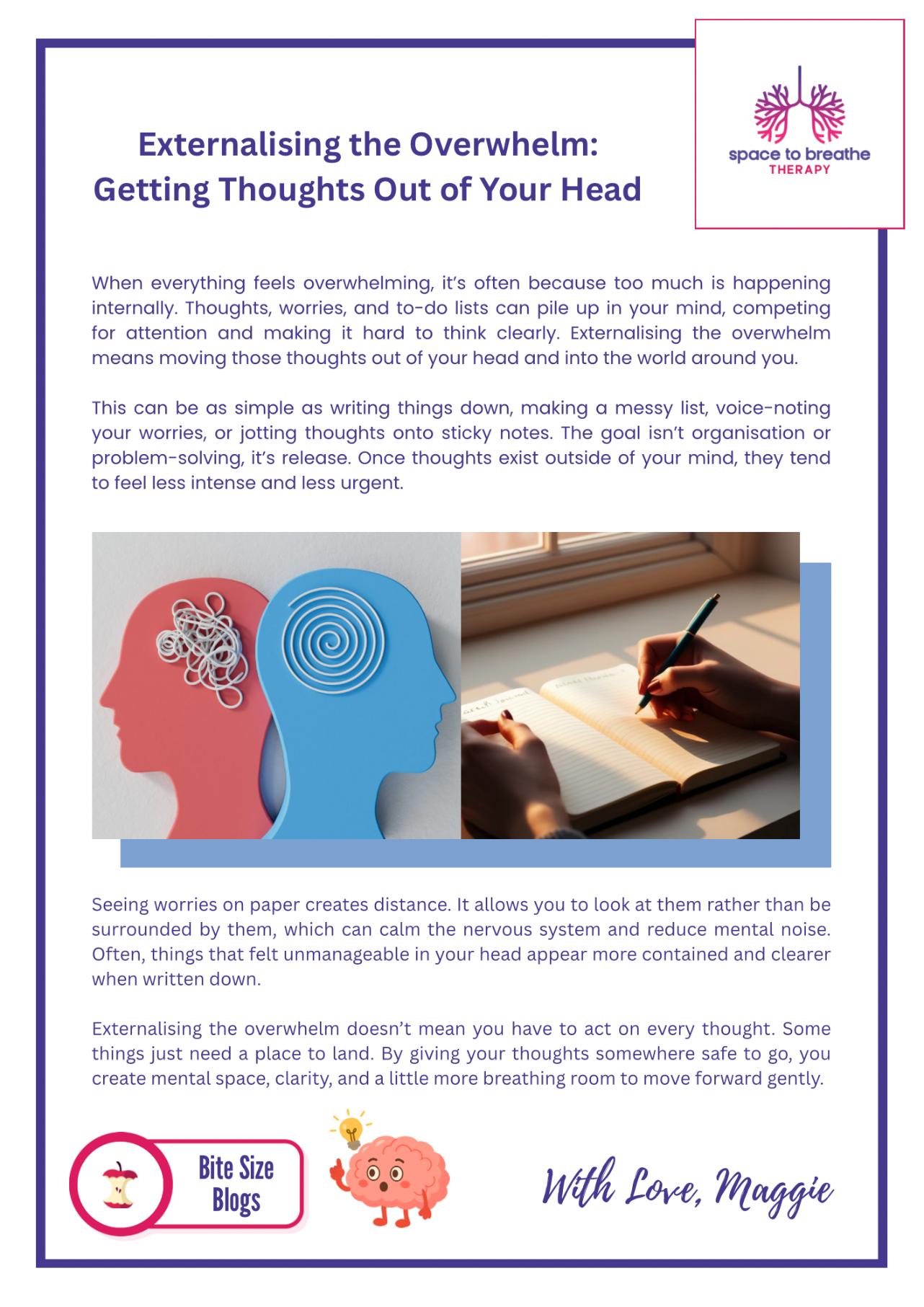
Writing thoughts down creates mental space, reduces intensity, and helps overwhelm feel more manageable.

Embracing good enough reduces perfectionism, protects energy, and supports sustainable mental health and recovery.
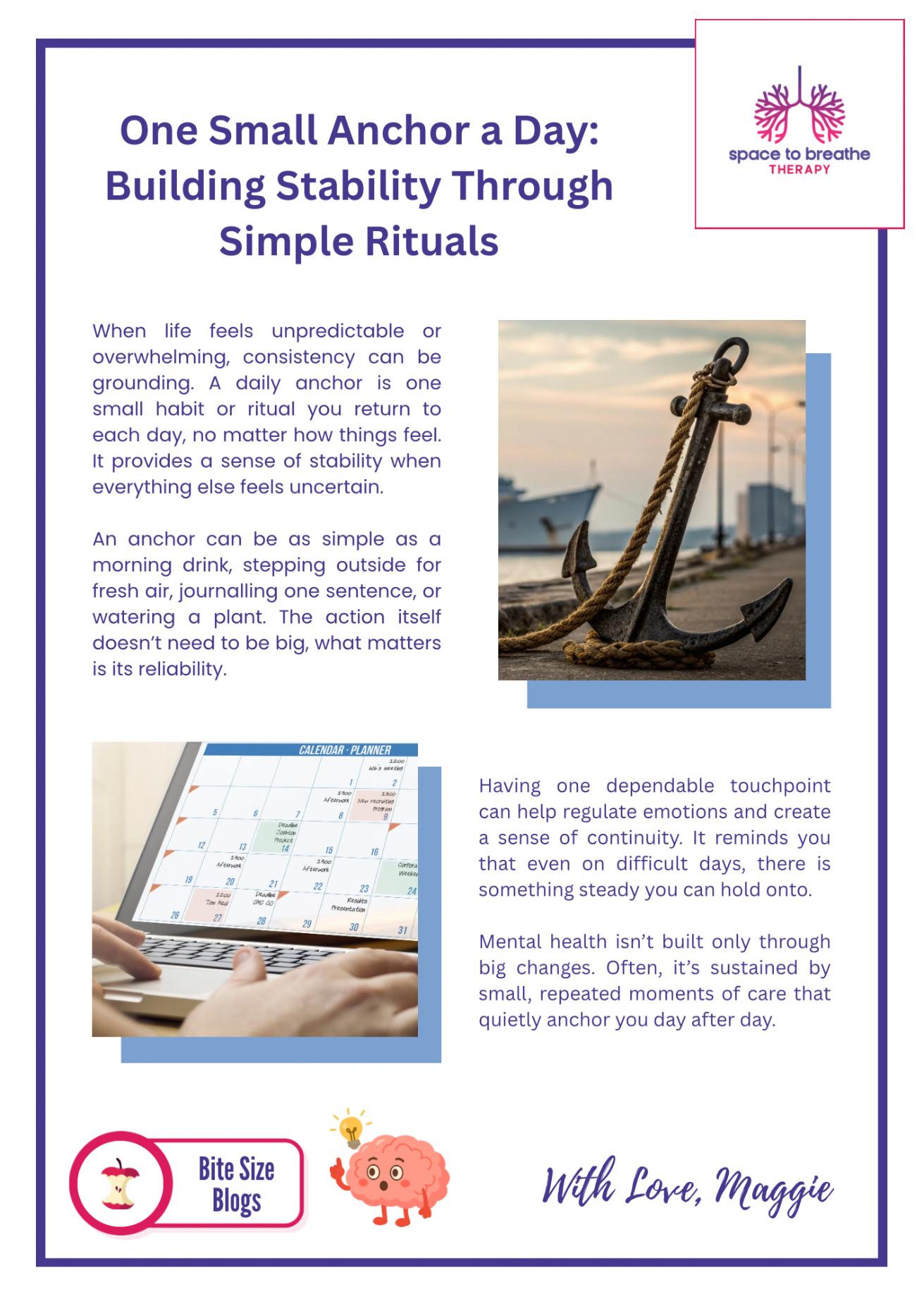
Daily rituals create grounding, emotional stability, and continuity during uncertainty, overwhelm, or unpredictable life moments.
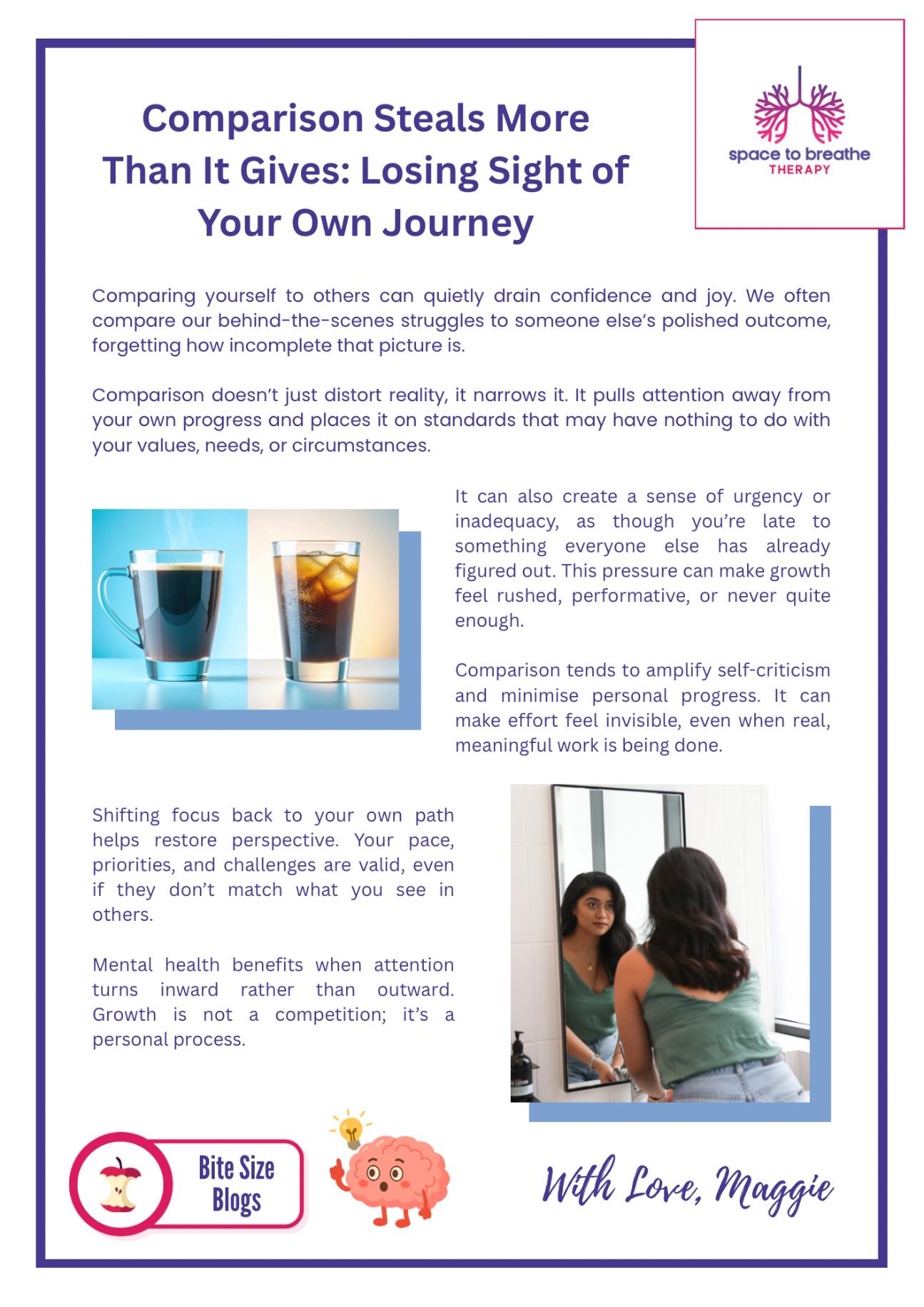
Comparison drains confidence, distorts progress, and distracts from your values, pace, and personal growth.

Changing direction reflects learning, self-awareness, and growth, not weakness or failure, as needs and priorities shift.
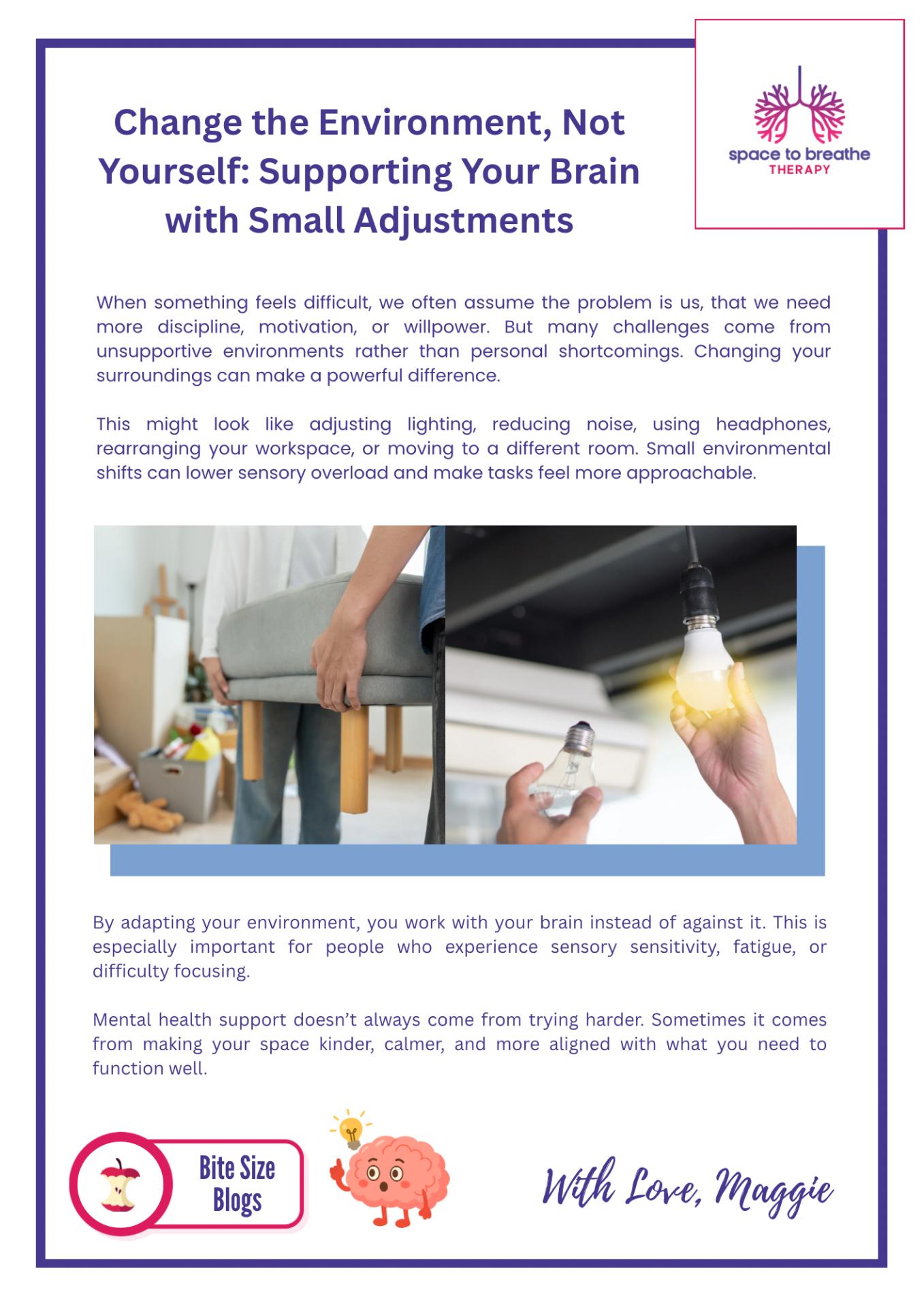
Small environmental changes reduce overwhelm, support focus, and help your brain function without relying on willpower.
Contributor:
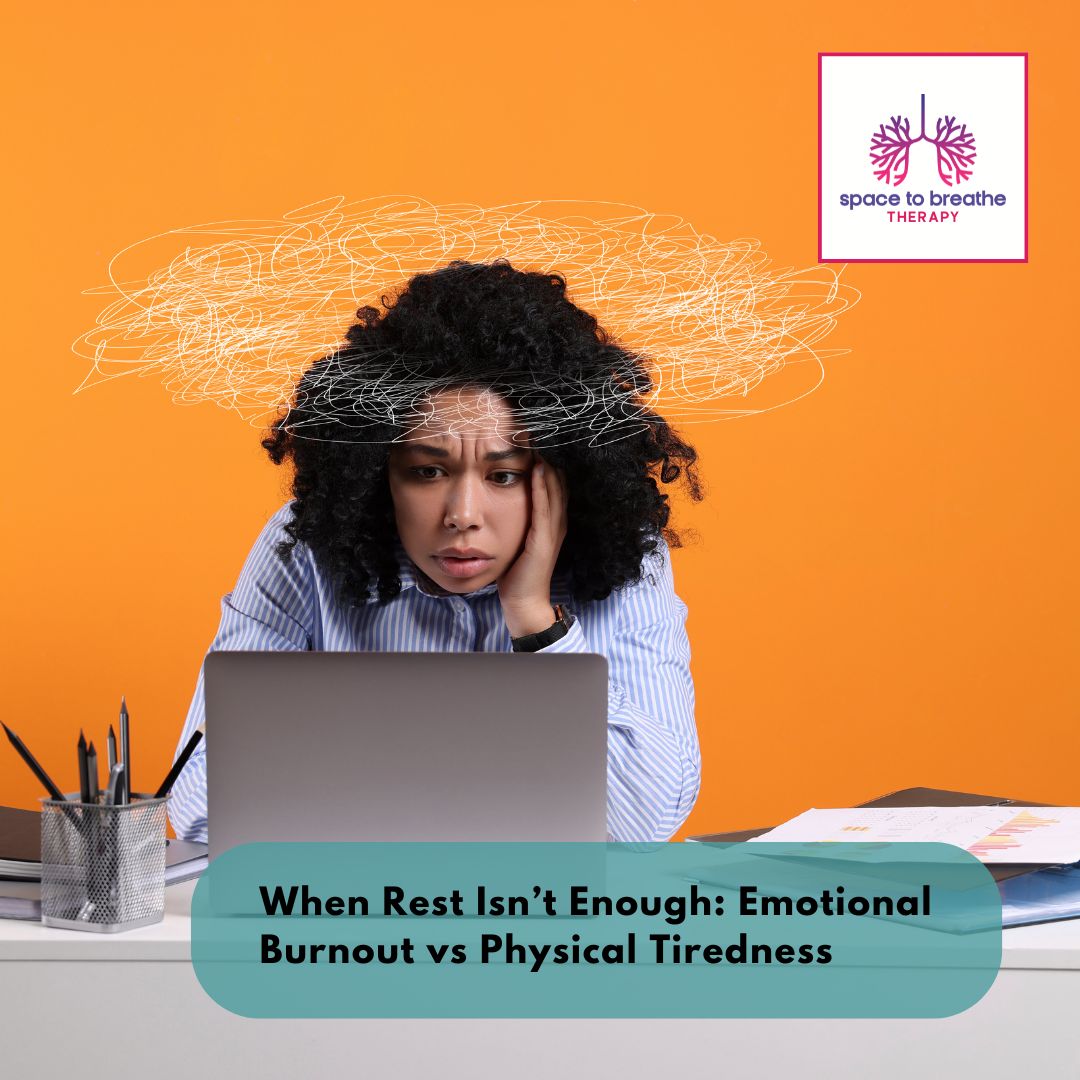
Emotional burnout drains motivation, meaning, and connection, unlike physical tiredness restored by rest.
Contributor:
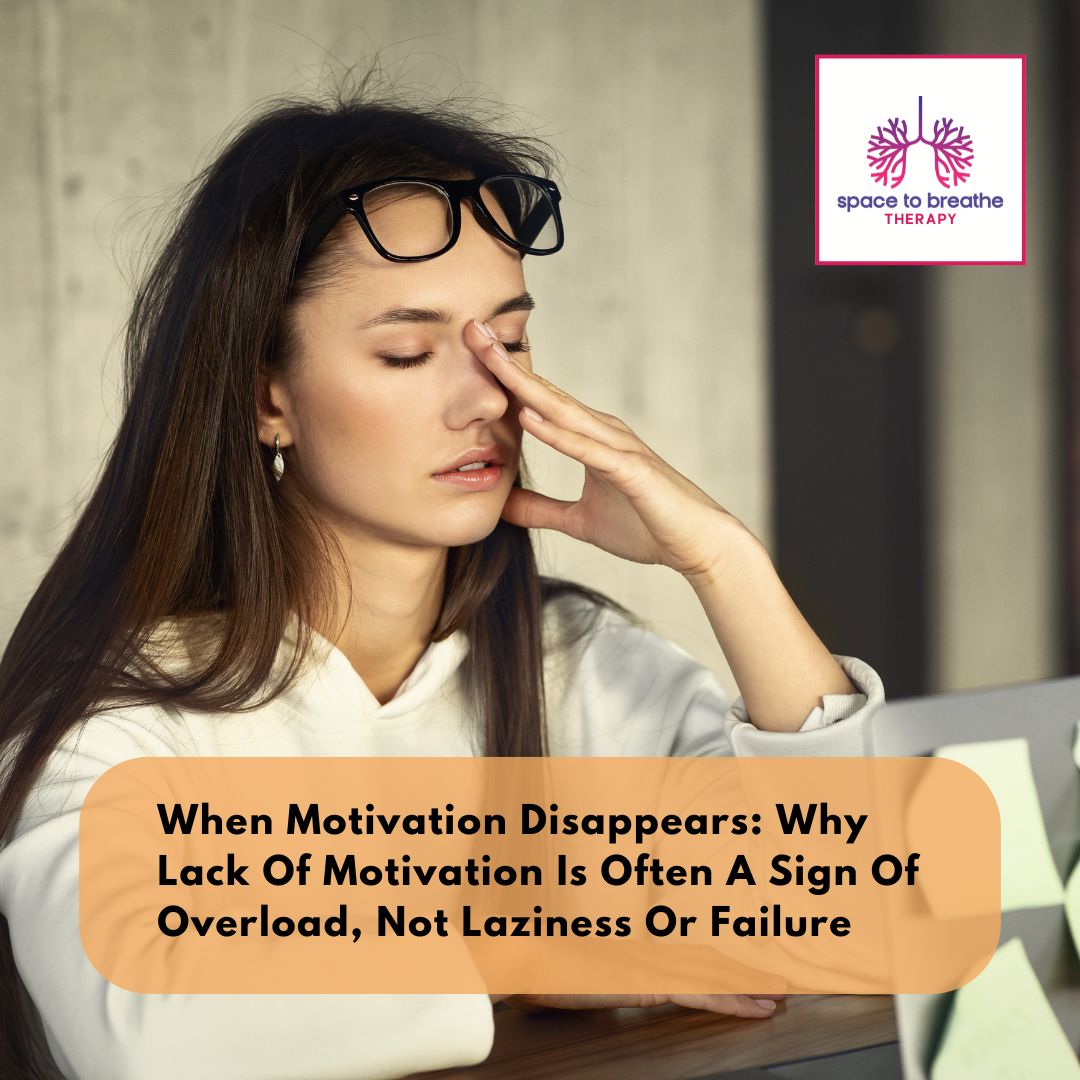
Motivation can fade under stress, overload, burnout, or unmet physical and emotional needs.
Contributor:
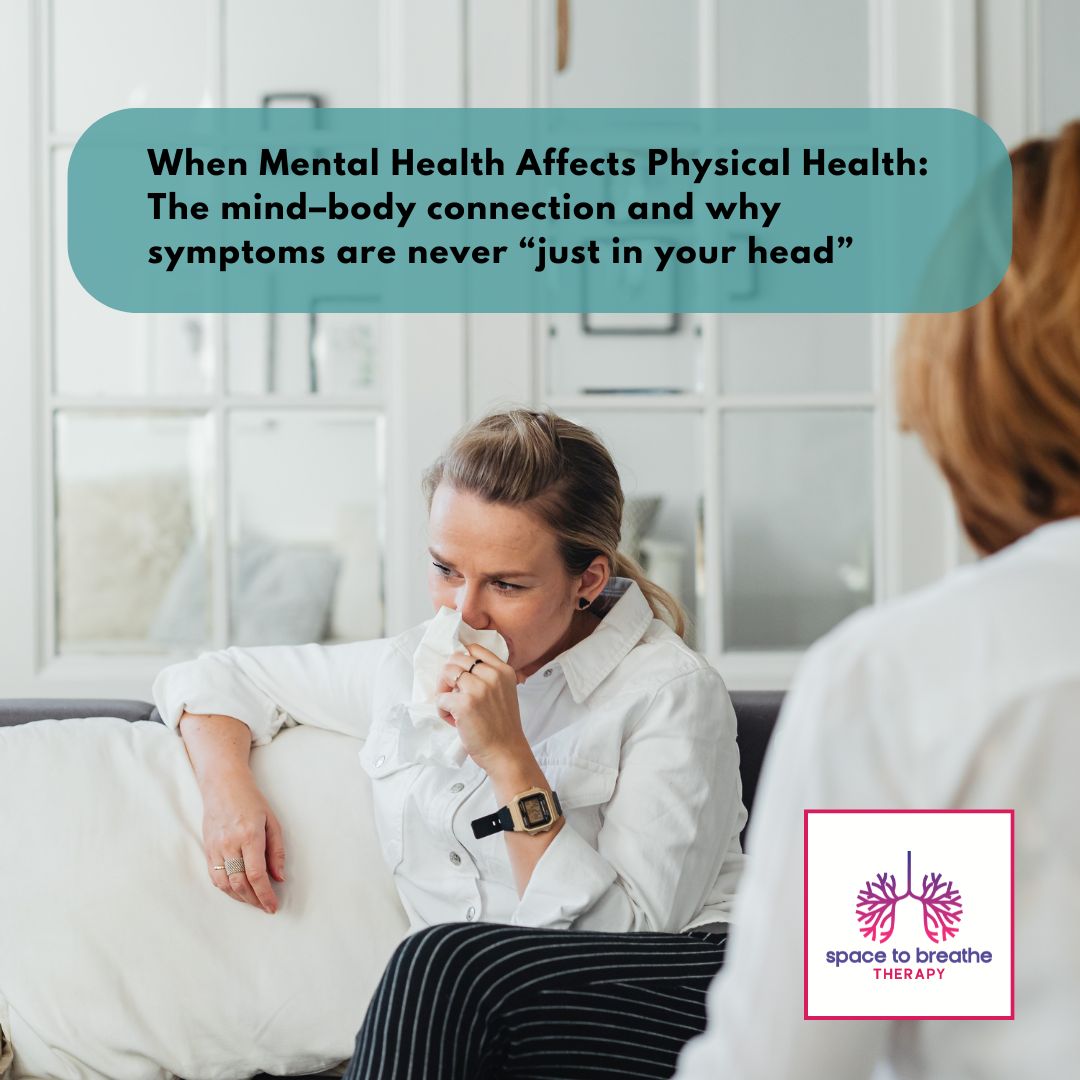
Mental and physical health are interconnected through stress, hormones, nervous system, and biology.

Contributor:
Complex trauma develops from repeated stress, shaping trust, safety, relationships, and nervous system responses.

Contributor:
Neurodivergent energy varies with ADHD, autism, sensory load, motivation, and burnout risk.

Contributor:
Caregiving can bring emotional burnout, compassion fatigue, and exhaustion despite deep commitment.

Contributor:
Talking about mental health reduces isolation, builds connection, and encourages support.

Contributor:
Fight, flight, freeze, and fawn are instinctive nervous system responses to stress.
Contributor:
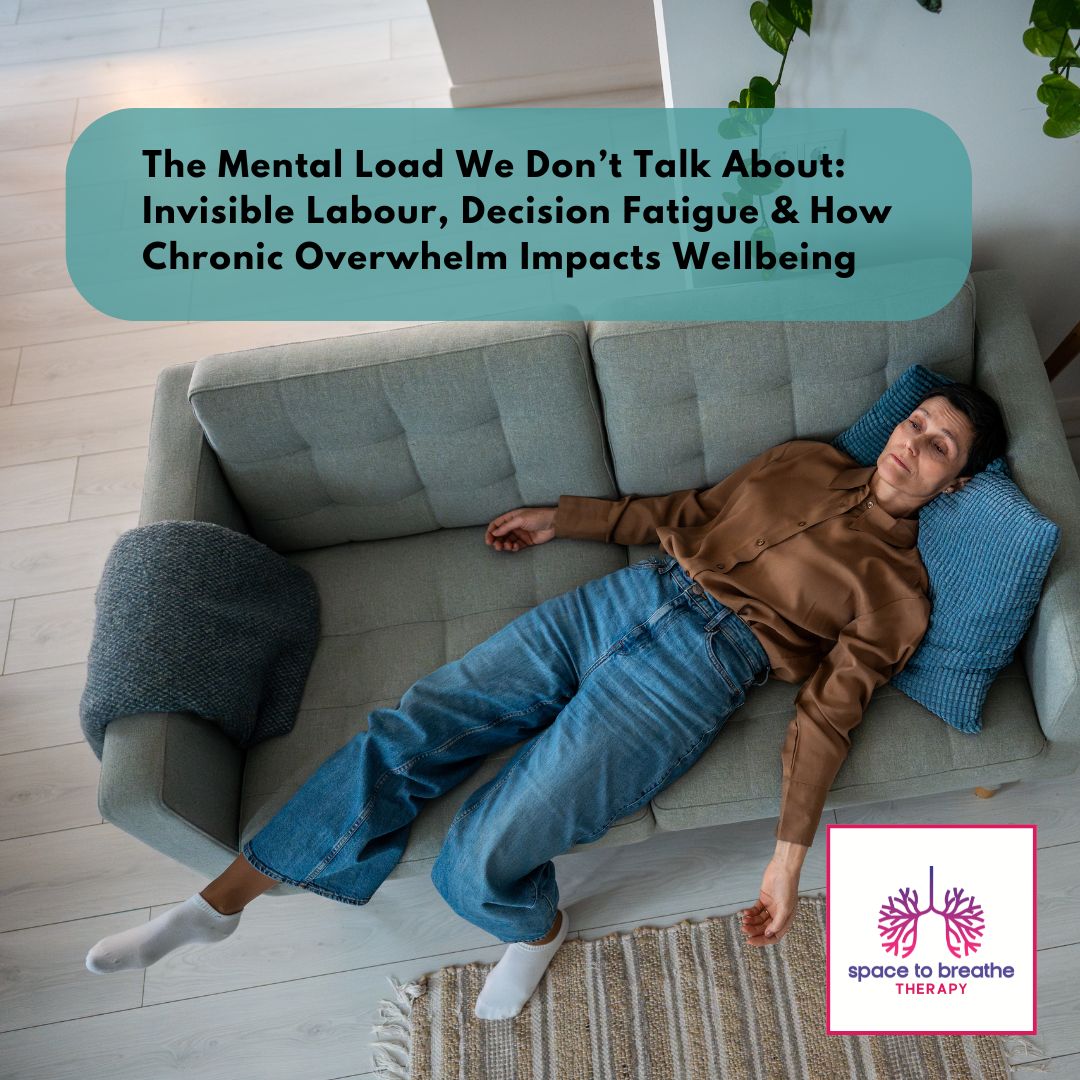
Mental load is invisible planning, remembering, and decision-making that quietly drains energy.
Contributor:
Emotional burnout drains motivation, meaning, and connection, unlike physical tiredness restored by rest.
Contributor:
Motivation can fade under stress, overload, burnout, or unmet physical and emotional needs.
Contributor:
Mental and physical health are interconnected through stress, hormones, nervous system, and biology.
Contributor:
Complex trauma develops from repeated stress, shaping trust, safety, relationships, and nervous system responses.
Contributor:
Neurodivergent energy varies with ADHD, autism, sensory load, motivation, and burnout risk.
Contributor:
Caregiving can bring emotional burnout, compassion fatigue, and exhaustion despite deep commitment.
Contributor:
Talking about mental health reduces isolation, builds connection, and encourages support.
Contributor:
Fight, flight, freeze, and fawn are instinctive nervous system responses to stress.
Contributor:
Mental load is invisible planning, remembering, and decision-making that quietly drains energy.

Contributor:
Gut health influences mood through microbiome, inflammation, diet diversity, and the gut-brain axis.

Contributor:
Rest restores focus, creativity, resilience, and energy in a culture obsessed with productivity.

Contributor:
Progress often appears quietly through boundaries, resilience, kinder self-talk, and small internal shifts.
Contributor:
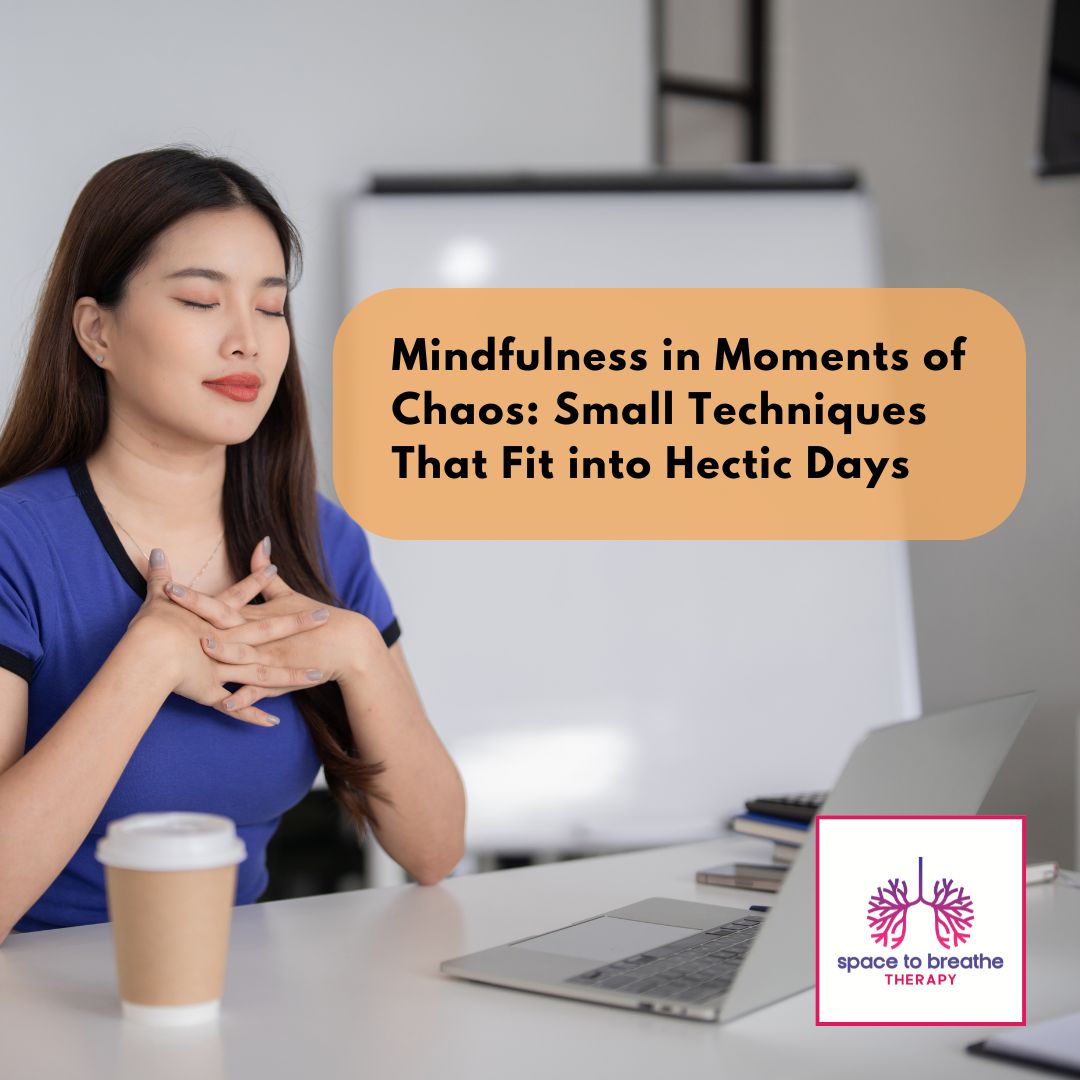
Small mindfulness practices like breathing, grounding, and pauses can steady attention during chaos.
Contributor:
Integrating mental health into healthcare enables early intervention, reducing stigma, illness progression, and suffering.

Contributor:
Digital overwhelm reflects constant online demands, requiring boundaries to protect attention, mood, and relationships.

Contributor:
Hormonal shifts from PMDD, thyroid imbalance, and perimenopause can strongly influence mood and anxiety.

Contributor:
High-functioning anxiety hides behind achievement, perfectionism, over-preparing, restless thoughts, and constant pressure.
Contributor:
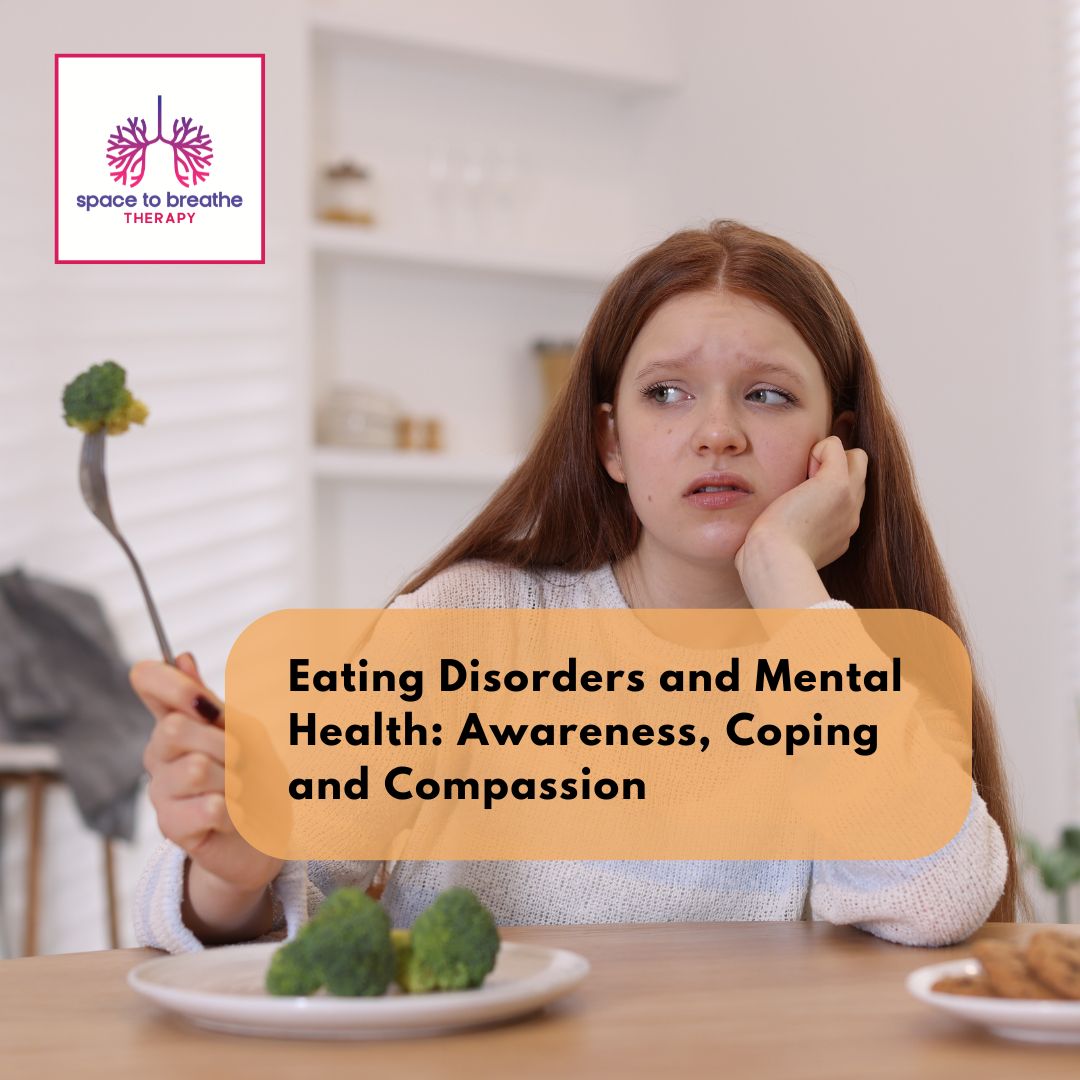
Eating disorders involve control, emotional coping, food rituals, fear, isolation, and physical strain.

Contributor:
Depression can appear as numbness, irritability, exhaustion, fading joy, and persistent inner heaviness.

Contributor:
Anxiety affects the body through chest tightness, digestive disruption, muscle tension, fatigue, and headaches.

Contributor:
Focus on identity stress, social safety, marginalisation stress, and psychological safety.

Contributor:
Explores cost-of-living anxiety, financial trauma, shame, survival stress, and nervous system safety.

Contributor:
Covers circadian rhythm disruption, stress hormones, screens, anxiety, and exhaustion culture.

Contributor:
Focus on invisible illness, fatigue syndromes, autoimmune conditions, pain disorders, and emotional impact.

Contributor:
Covers dopamine loops, social media burnout, attention fragmentation, comparison culture, and digital fatigue.

Contributor:
Explores developmental trauma, chronic stress, attachment, and how trauma shows up somatically.
Contributor:
Focuses on ADHD, autism, sensory processing, masking, workplace pressures, and burnout.

Contributor:
Explores gut-brain axis research, inflammation, food sensitivities, IBS, and mental health links.

Contributor:
Focuses on nervous system regulation, polyvagal theory, sensory safety, and why “rest” doesn’t always mean recovery.

Contributor:
Explores chronic stress, decision fatigue, digital overload, caregiving fatigue, and why burnout now affects people outside traditional work environments.
Contributor:
Emotional burnout drains motivation, meaning, and connection, unlike physical tiredness restored by rest.
Contributor:
Motivation can fade under stress, overload, burnout, or unmet physical and emotional needs.
Contributor:
Mental and physical health are interconnected through stress, hormones, nervous system, and biology.
Contributor:
Complex trauma develops from repeated stress, shaping trust, safety, relationships, and nervous system responses.
Contributor:
Neurodivergent energy varies with ADHD, autism, sensory load, motivation, and burnout risk.
Contributor:
Caregiving can bring emotional burnout, compassion fatigue, and exhaustion despite deep commitment.
Contributor:
Talking about mental health reduces isolation, builds connection, and encourages support.
Contributor:
Fight, flight, freeze, and fawn are instinctive nervous system responses to stress.
Contributor:
Mental load is invisible planning, remembering, and decision-making that quietly drains energy.
Contributor:
Gut health influences mood through microbiome, inflammation, diet diversity, and the gut-brain axis.
Contributor:
Rest restores focus, creativity, resilience, and energy in a culture obsessed with productivity.
Contributor:
Progress often appears quietly through boundaries, resilience, kinder self-talk, and small internal shifts.
Contributor:
Small mindfulness practices like breathing, grounding, and pauses can steady attention during chaos.
Contributor:
Integrating mental health into healthcare enables early intervention, reducing stigma, illness progression, and suffering.
Contributor:
Digital overwhelm reflects constant online demands, requiring boundaries to protect attention, mood, and relationships.
Contributor:
Hormonal shifts from PMDD, thyroid imbalance, and perimenopause can strongly influence mood and anxiety.
Contributor:
High-functioning anxiety hides behind achievement, perfectionism, over-preparing, restless thoughts, and constant pressure.
Contributor:
Eating disorders involve control, emotional coping, food rituals, fear, isolation, and physical strain.
Contributor:
Depression can appear as numbness, irritability, exhaustion, fading joy, and persistent inner heaviness.
Contributor:
Anxiety affects the body through chest tightness, digestive disruption, muscle tension, fatigue, and headaches.
Contributor:
Focus on identity stress, social safety, marginalisation stress, and psychological safety.
Contributor:
Explores cost-of-living anxiety, financial trauma, shame, survival stress, and nervous system safety.
Contributor:
Covers circadian rhythm disruption, stress hormones, screens, anxiety, and exhaustion culture.
Contributor:
Focus on invisible illness, fatigue syndromes, autoimmune conditions, pain disorders, and emotional impact.
Contributor:
Covers dopamine loops, social media burnout, attention fragmentation, comparison culture, and digital fatigue.
Contributor:
Explores developmental trauma, chronic stress, attachment, and how trauma shows up somatically.
Contributor:
Focuses on ADHD, autism, sensory processing, masking, workplace pressures, and burnout.
Contributor:
Explores gut-brain axis research, inflammation, food sensitivities, IBS, and mental health links.
Contributor:
Focuses on nervous system regulation, polyvagal theory, sensory safety, and why “rest” doesn’t always mean recovery.
Contributor:
Explores chronic stress, decision fatigue, digital overload, caregiving fatigue, and why burnout now affects people outside traditional work environments.
Contributor:
Emotional burnout drains motivation, meaning, and connection, unlike physical tiredness restored by rest.
Contributor:
Motivation can fade under stress, overload, burnout, or unmet physical and emotional needs.
Contributor:
Mental and physical health are interconnected through stress, hormones, nervous system, and biology.
Contributor:
Complex trauma develops from repeated stress, shaping trust, safety, relationships, and nervous system responses.
Contributor:
Neurodivergent energy varies with ADHD, autism, sensory load, motivation, and burnout risk.
Contributor:
Caregiving can bring emotional burnout, compassion fatigue, and exhaustion despite deep commitment.
Contributor:
Talking about mental health reduces isolation, builds connection, and encourages support.
Contributor:
Fight, flight, freeze, and fawn are instinctive nervous system responses to stress.
Contributor:
Mental load is invisible planning, remembering, and decision-making that quietly drains energy.
Contributor:
Gut health influences mood through microbiome, inflammation, diet diversity, and the gut-brain axis.
Contributor:
Rest restores focus, creativity, resilience, and energy in a culture obsessed with productivity.
Contributor:
Progress often appears quietly through boundaries, resilience, kinder self-talk, and small internal shifts.
Contributor:
Small mindfulness practices like breathing, grounding, and pauses can steady attention during chaos.
Contributor:
Integrating mental health into healthcare enables early intervention, reducing stigma, illness progression, and suffering.
Contributor:
Digital overwhelm reflects constant online demands, requiring boundaries to protect attention, mood, and relationships.
Contributor:
Hormonal shifts from PMDD, thyroid imbalance, and perimenopause can strongly influence mood and anxiety.
Contributor:
High-functioning anxiety hides behind achievement, perfectionism, over-preparing, restless thoughts, and constant pressure.
Contributor:
Eating disorders involve control, emotional coping, food rituals, fear, isolation, and physical strain.
Contributor:
Depression can appear as numbness, irritability, exhaustion, fading joy, and persistent inner heaviness.
Contributor:
Anxiety affects the body through chest tightness, digestive disruption, muscle tension, fatigue, and headaches.
Contributor:
Focus on identity stress, social safety, marginalisation stress, and psychological safety.
Contributor:
Explores cost-of-living anxiety, financial trauma, shame, survival stress, and nervous system safety.
Contributor:
Covers circadian rhythm disruption, stress hormones, screens, anxiety, and exhaustion culture.
Contributor:
Focus on invisible illness, fatigue syndromes, autoimmune conditions, pain disorders, and emotional impact.
Contributor:
Covers dopamine loops, social media burnout, attention fragmentation, comparison culture, and digital fatigue.
Contributor:
Explores developmental trauma, chronic stress, attachment, and how trauma shows up somatically.
Contributor:
Focuses on ADHD, autism, sensory processing, masking, workplace pressures, and burnout.
Contributor:
Explores gut-brain axis research, inflammation, food sensitivities, IBS, and mental health links.
Contributor:
Focuses on nervous system regulation, polyvagal theory, sensory safety, and why “rest” doesn’t always mean recovery.
Contributor:
Explores chronic stress, decision fatigue, digital overload, caregiving fatigue, and why burnout now affects people outside traditional work environments.
Contributor:

This community hub brings together trusted mental health information, tools, inspiration, and exclusive subscriber content.Explore a curated community hub designed to support your mental wellbeing through insight, creativity, and calm.
Explore an A–Z mental health guide, practitioner profiles, videos, interactive tools, playlists, recommendations, affirmations, legal resources, and community-led content — all thoughtfully organised to support understanding, wellbeing, connection, and gentle day-to-day care.
A to Z of Mental Health
Explore mental health topics alphabetically, helping you understand emotions, experiences, wellbeing challenges, and personal growth.
Health Support Directory
Find organisations, services,and support networks offering guidance, help, and resources for mental healthand wellbeing.
Practitioners & Contributors
Meet practitioners and contributors sharing expertise, perspectives, resources, and lived experiences supporting wellbeing, learning, and understanding.
Depression & Emotional Distress
Explore depression, anxiety, emotional distress, causes, personal experiences, and support for understanding difficult emotions and wellbeing.
Substance Misuse
Understand substance misuse, emotional pain, addiction risks, early warning signs, and healthier ways of coping.
Understanding Grief
Explore grief, loss, emotional responses, nervous system effects, and supportive ways people navigate grieving experiences.
Neurodiversity
Understand neurodiversity, different ways minds work, sensory experiences, relationships, independence, and supportive community perspectives.
LGBTQ+
Explore identity, self-acceptance, confidence, community support, and understanding LGBTQ+ experiences, perspectives, and belonging.
Physical Health & Body Awareness
Understand how physical health, hormones, fatigue, sleep, and the nervous system influence emotional wellbeing.
Food Nutrition & Mental Health
Discover how nutrition, food awareness, body signals, sensitivities, and nourishing meals support mental and physical wellbeing.
Disability in the Workplace & Career Support
Explore workplace wellbeing, rights, adjustments, neurodiversity, and strategies supporting careers alongside health or disability.
Inspirational Content
Inspiring reflections, shared voices, downloads, and ideas encouraging personal growth, emotional understanding, and intentional living.
Fun and Interactive
Engaging tools, creative writing, book insights, blogs, worksheets, and activities encouraging reflection, learning, and wellbeing exploration.
Video & Audio
Explore videos and audio stories, practices, explanations, and calming resources supporting learning, reflection, and wellbeing.
Men’s Mental Health
Explore men’s mental health, emotional wellbeing, stigma, relationships, and supportive approaches encouraging openness and connection.
Trauma
Understand trauma, its impact on the mind and body, and supportive pathways toward healing and recovery.
Eating Disorders
Explore eating disorders, body image, emotional relationships with food, recovery journeys, and supportive pathways toward wellbeing.
Courses and Learning Hub
Structured courses helping build knowledge, self-awareness, practical skills, and deeper understanding of wellbeing topics.
Social Media
Follow Space to Breathe platforms sharing real stories, humour, news, quotes, art therapy, and community wellbeing content.
Product Advertisements
Discover wellbeing products, tools, journals, supplements, clothing, and supportive items shared by community creators and brands.
Legal and Rights Information
Guidelines explaining responsibilities, legal boundaries, and community expectations to protect members and maintain a safe environment.