Hey I'm Tiffany (Tiff), a 40 year old women who lives with her husband and 2 boys in Cornwall. In 2025 I was diagnosed with combined adhd but prior to my diagnosis I started my healing fitness journey after years of unsuccessful therapy that didn't recognise any of the signs.
Strength training, a nutritious diet, being out in nature and accepting my unique brain for what it is has supported this journey and now it has become my passion to support and help other women in reaching their goals in fitness and improving their mental health ❤️
Level 2 Gym Instructor
Currently studying Level 3 Personal Trainer, Pre and Post Natal Exercise.
Eventually offering 1 - 1 personal training online and in person in a private at home gym.

Contributor:
Contributor:

Understand - A collection of audio designed to help you make sense of what you’re experiencing, featuring psychoeducation talks, clear explanations of conditions, emotional regulation education, insights into ADHD and ARFID, workplace wellbeing guidance, and Access to Work information, with the purpose of offering clarity and reassurance — so you finish listening thinking, “Now I understand what’s going on.”
Contributor:
Contributor:
Reset - A collection of audio designed to help you regulate in the moment and support your nervous system, featuring guided breathing, grounding exercises, body scans, anxiety-calming tracks, sleep support, focus sessions for ADHD, and short “steady yourself” recordings, with the purpose of calming and stabilising — so you finish listening feeling, “I feel a bit more grounded.”
Contributor:
Contributor:
Real Voices - A collection of audio stories and human experiences, sharing lived experiences, recovery journeys, grief reflections, burnout stories, professional reflections in a conversational tone, and interviews, with the purpose of creating connection and a sense of belonging — so you finish listening feeling, “I’m not alone in this.”
Contributor:
Contributor:
Contributor:
Contributor:
Understand - A collection of audio designed to help you make sense of what you’re experiencing, featuring psychoeducation talks, clear explanations of conditions, emotional regulation education, insights into ADHD and ARFID, workplace wellbeing guidance, and Access to Work information, with the purpose of offering clarity and reassurance — so you finish listening thinking, “Now I understand what’s going on.”
Contributor:
Contributor:
Reset - A collection of audio designed to help you regulate in the moment and support your nervous system, featuring guided breathing, grounding exercises, body scans, anxiety-calming tracks, sleep support, focus sessions for ADHD, and short “steady yourself” recordings, with the purpose of calming and stabilising — so you finish listening feeling, “I feel a bit more grounded.”
Contributor:
Contributor:
Real Voices - A collection of audio stories and human experiences, sharing lived experiences, recovery journeys, grief reflections, burnout stories, professional reflections in a conversational tone, and interviews, with the purpose of creating connection and a sense of belonging — so you finish listening feeling, “I’m not alone in this.”
Contributor:
Contributor:
Contributor:
Contributor:
Understand - A collection of audio designed to help you make sense of what you’re experiencing, featuring psychoeducation talks, clear explanations of conditions, emotional regulation education, insights into ADHD and ARFID, workplace wellbeing guidance, and Access to Work information, with the purpose of offering clarity and reassurance — so you finish listening thinking, “Now I understand what’s going on.”
Contributor:
Contributor:
Reset - A collection of audio designed to help you regulate in the moment and support your nervous system, featuring guided breathing, grounding exercises, body scans, anxiety-calming tracks, sleep support, focus sessions for ADHD, and short “steady yourself” recordings, with the purpose of calming and stabilising — so you finish listening feeling, “I feel a bit more grounded.”
Contributor:
Contributor:
Real Voices - A collection of audio stories and human experiences, sharing lived experiences, recovery journeys, grief reflections, burnout stories, professional reflections in a conversational tone, and interviews, with the purpose of creating connection and a sense of belonging — so you finish listening feeling, “I’m not alone in this.”
Contributor:
Contributor:
Contributor:
Contributor:
Understand - A collection of audio designed to help you make sense of what you’re experiencing, featuring psychoeducation talks, clear explanations of conditions, emotional regulation education, insights into ADHD and ARFID, workplace wellbeing guidance, and Access to Work information, with the purpose of offering clarity and reassurance — so you finish listening thinking, “Now I understand what’s going on.”
Contributor:
Contributor:
Reset - A collection of audio designed to help you regulate in the moment and support your nervous system, featuring guided breathing, grounding exercises, body scans, anxiety-calming tracks, sleep support, focus sessions for ADHD, and short “steady yourself” recordings, with the purpose of calming and stabilising — so you finish listening feeling, “I feel a bit more grounded.”
Contributor:
Contributor:
Real Voices - A collection of audio stories and human experiences, sharing lived experiences, recovery journeys, grief reflections, burnout stories, professional reflections in a conversational tone, and interviews, with the purpose of creating connection and a sense of belonging — so you finish listening feeling, “I’m not alone in this.”
Contributor:
Contributor:
Anxiety & Emotional Overwhelm - Anxiety and emotional overwhelm can make everyday situations feel difficult to manage. Racing thoughts, tension in the body, or a constant sense of worry can take a toll on mental wellbeing. This section explores what anxiety can feel like, why it happens, and gentle ways people can begin to calm and support their nervous system.
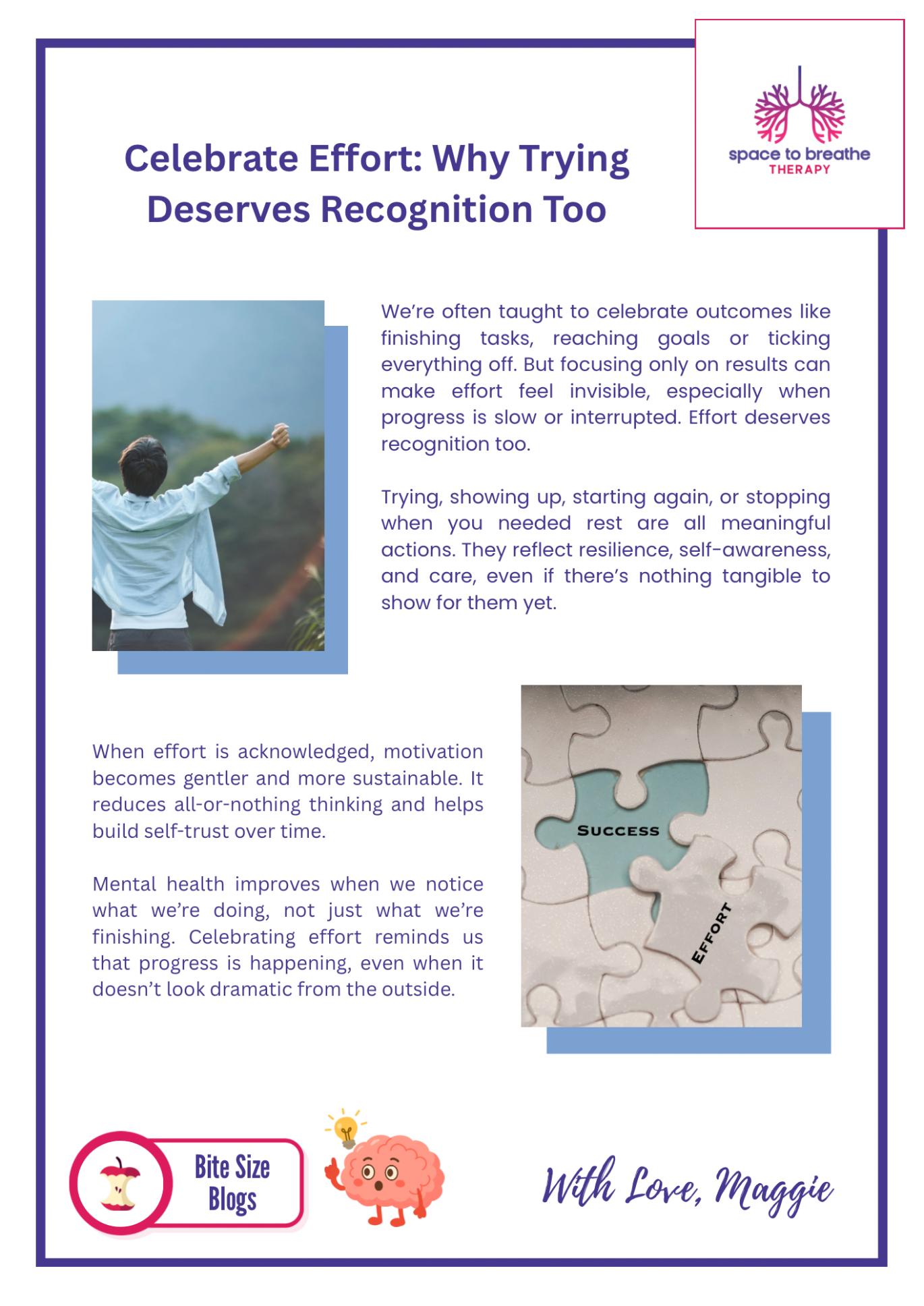
Recognising effort builds motivation, self-trust, and resilience, even when outcomes are unclear, slow, or incomplete.
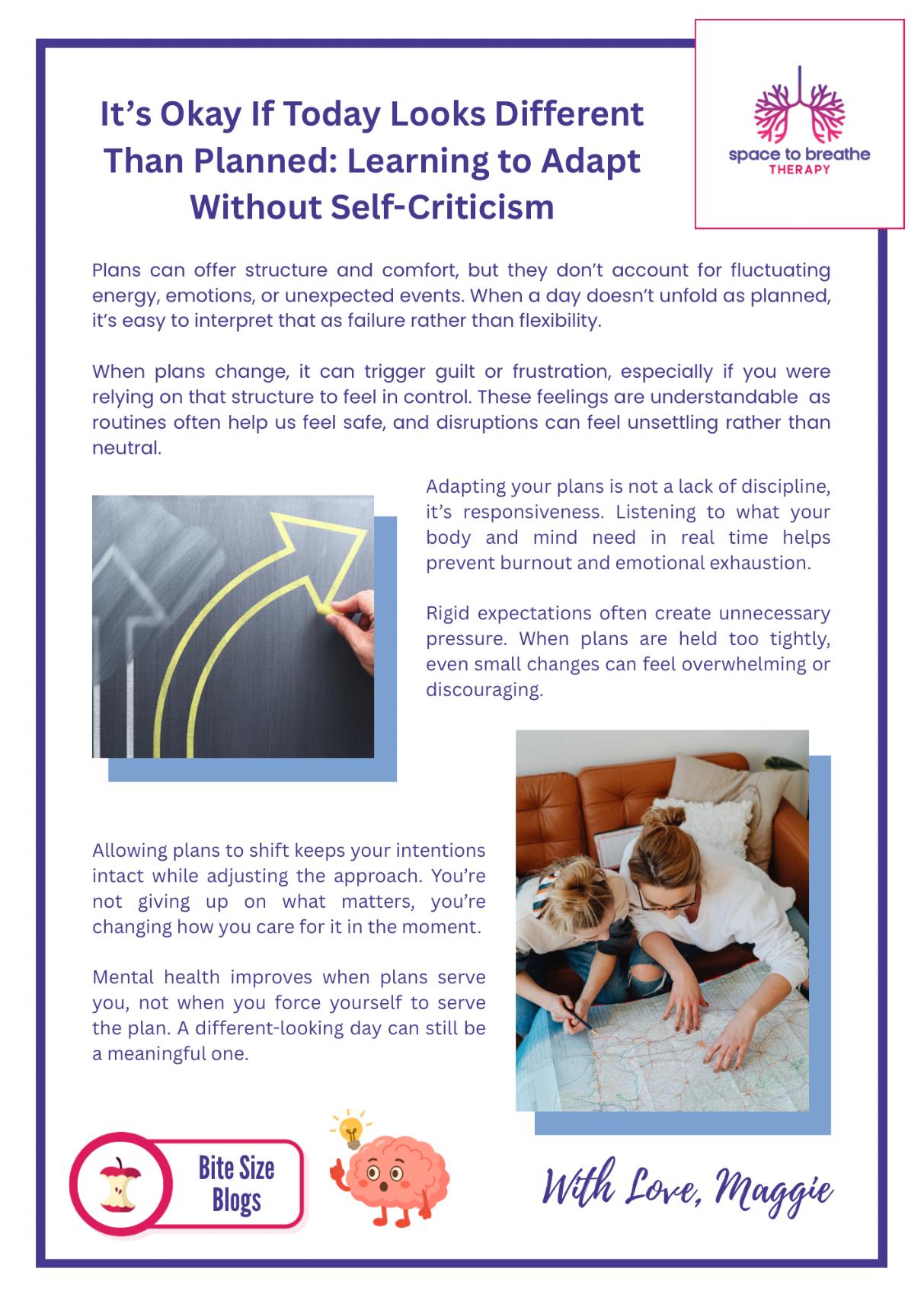
Adapting plans with compassion supports wellbeing, reduces burnout, and allows flexibility without guilt, pressure, or self-judgement.
Causes & Triggers - Depression and emotional distress can arise for many different reasons. Life events, stress, trauma, physical health, relationships, and environmental factors can all influence how we feel. Understanding potential triggers can help people recognise patterns and develop greater awareness of what affects their emotional wellbeing.

Contributor:
Explores gut-brain axis research, inflammation, food sensitivities, IBS, and mental health links.

Contributor:
Focuses on nervous system regulation, polyvagal theory, sensory safety, and why “rest” doesn’t always mean recovery.

Contributor:
Explores chronic stress, decision fatigue, digital overload, caregiving fatigue, and why burnout now affects people outside traditional work environments.
Crisis Support & Suicidal Thoughts - Sometimes emotional distress can reach a point where people feel overwhelmed or hopeless. This section provides information about suicidal thoughts and highlights the importance of reaching out for support. If you or someone you know is struggling, there are organisations, helplines, and services available to offer help and understanding.
Contributor:
Emotional burnout drains motivation, meaning, and connection, unlike physical tiredness restored by rest.
Contributor:
Motivation can fade under stress, overload, burnout, or unmet physical and emotional needs.
Contributor:
Mental and physical health are interconnected through stress, hormones, nervous system, and biology.

Contributor:
Complex trauma develops from repeated stress, shaping trust, safety, relationships, and nervous system responses.

Contributor:
Neurodivergent energy varies with ADHD, autism, sensory load, motivation, and burnout risk.

Contributor:
Caregiving can bring emotional burnout, compassion fatigue, and exhaustion despite deep commitment.

Contributor:
Talking about mental health reduces isolation, builds connection, and encourages support.

Contributor:
Fight, flight, freeze, and fawn are instinctive nervous system responses to stress.
Contributor:
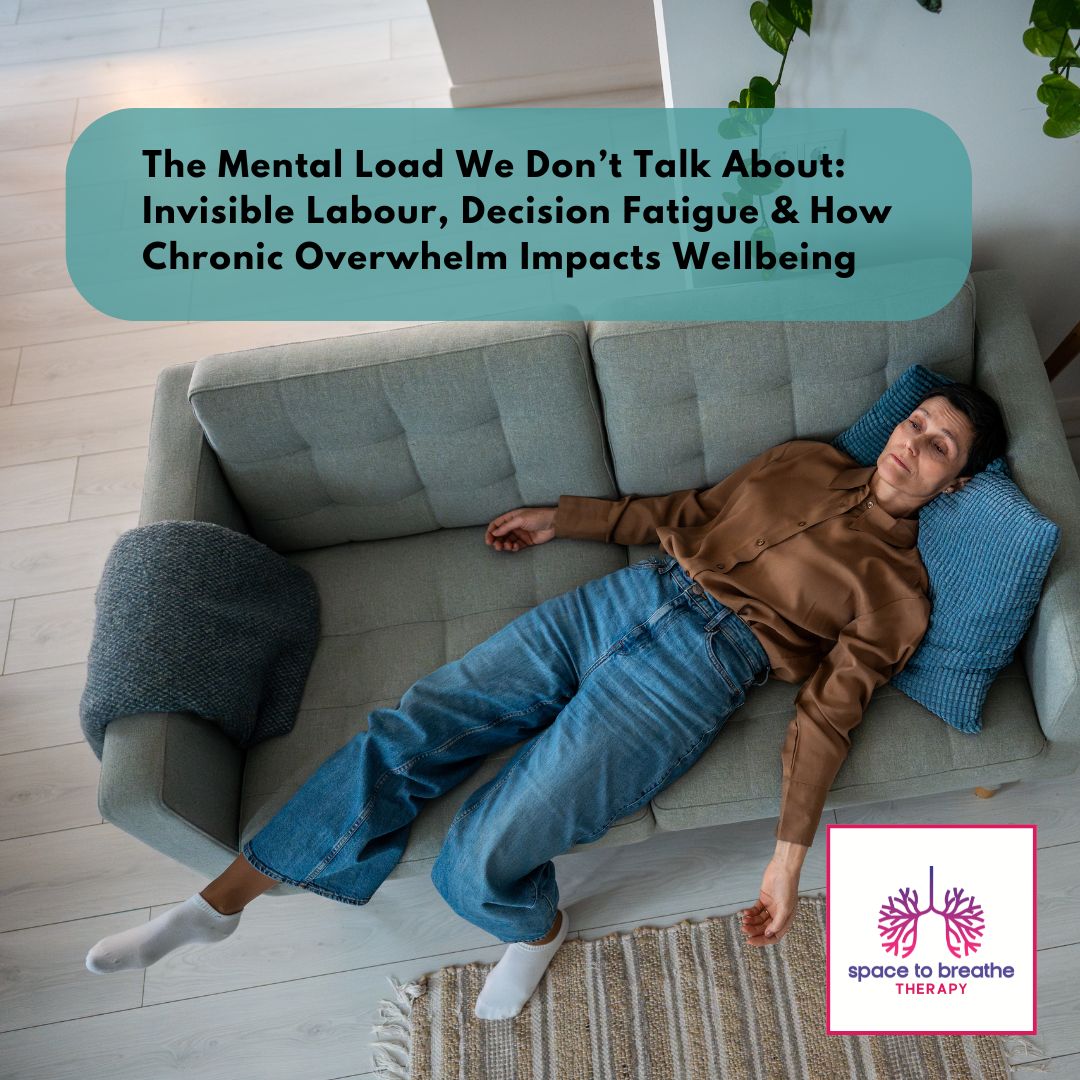
Mental load is invisible planning, remembering, and decision-making that quietly drains energy.

Contributor:
Gut health influences mood through microbiome, inflammation, diet diversity, and the gut-brain axis.

Contributor:
Rest restores focus, creativity, resilience, and energy in a culture obsessed with productivity.

Contributor:
Progress often appears quietly through boundaries, resilience, kinder self-talk, and small internal shifts.
Contributor:
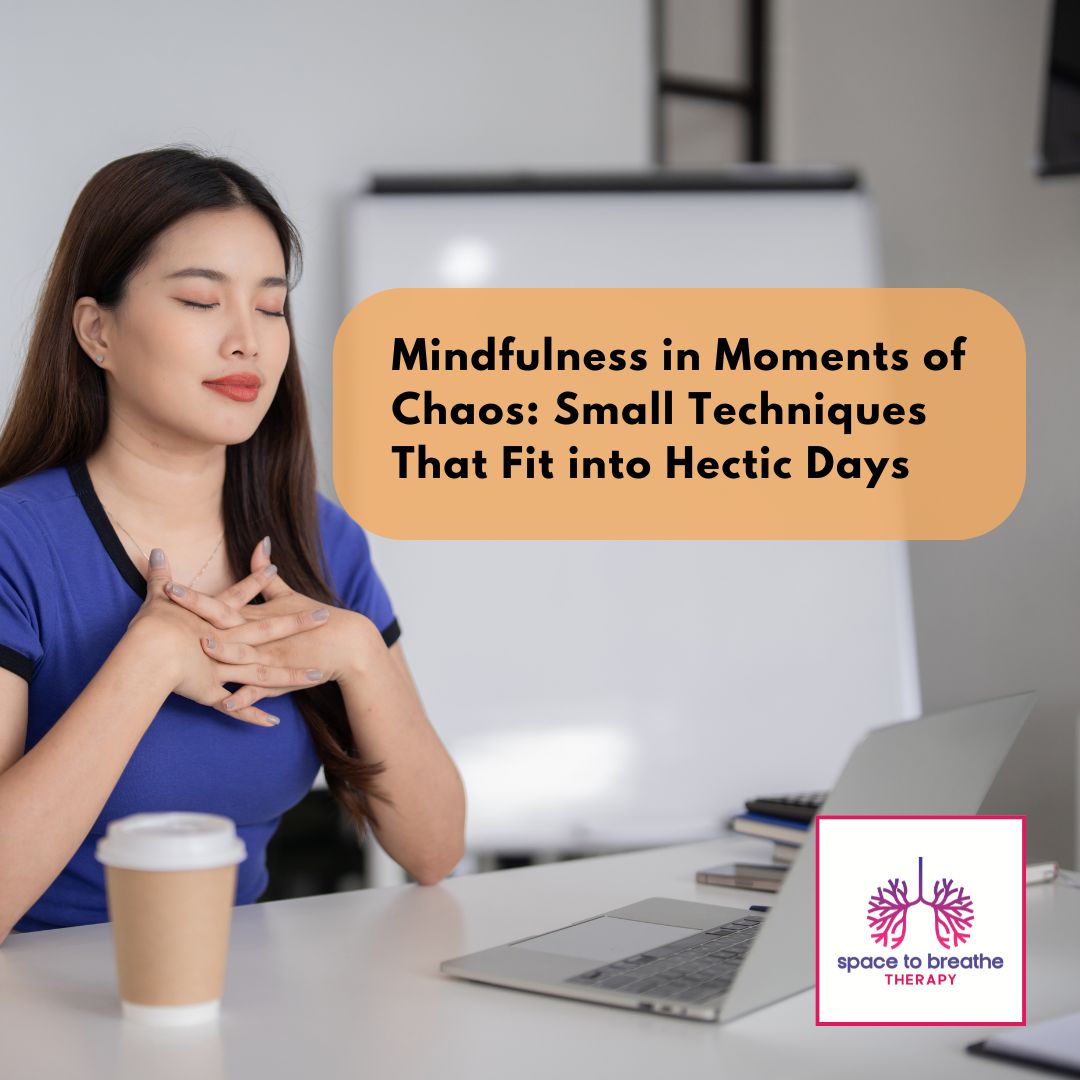
Small mindfulness practices like breathing, grounding, and pauses can steady attention during chaos.
Contributor:
Integrating mental health into healthcare enables early intervention, reducing stigma, illness progression, and suffering.

Contributor:
Digital overwhelm reflects constant online demands, requiring boundaries to protect attention, mood, and relationships.

Contributor:
Hormonal shifts from PMDD, thyroid imbalance, and perimenopause can strongly influence mood and anxiety.

Contributor:
High-functioning anxiety hides behind achievement, perfectionism, over-preparing, restless thoughts, and constant pressure.
Contributor:
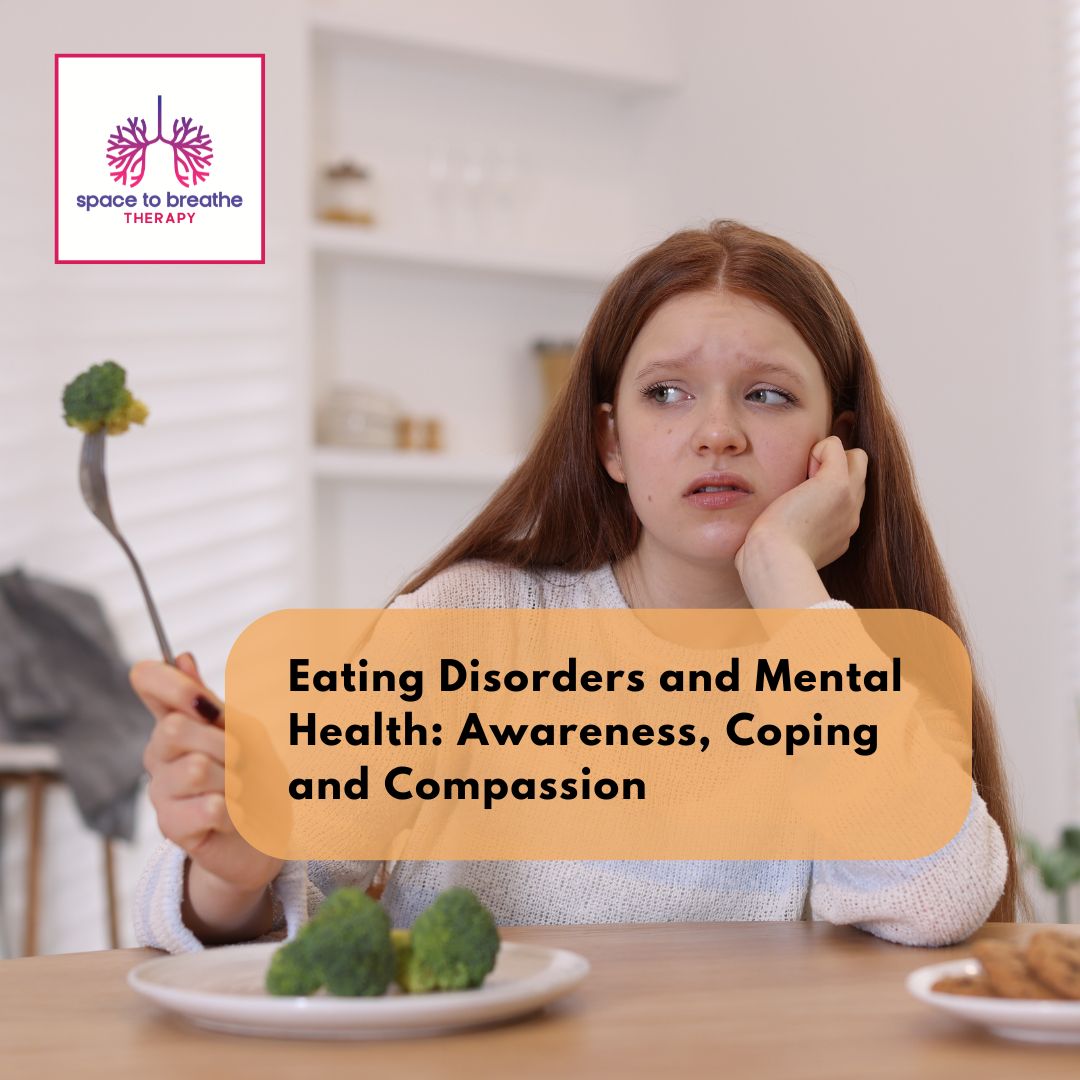
Eating disorders involve control, emotional coping, food rituals, fear, isolation, and physical strain.

Contributor:
Depression can appear as numbness, irritability, exhaustion, fading joy, and persistent inner heaviness.

Contributor:
Anxiety affects the body through chest tightness, digestive disruption, muscle tension, fatigue, and headaches.

Contributor:
Focus on identity stress, social safety, marginalisation stress, and psychological safety.

Contributor:
Explores cost-of-living anxiety, financial trauma, shame, survival stress, and nervous system safety.

Contributor:
Covers circadian rhythm disruption, stress hormones, screens, anxiety, and exhaustion culture.

Contributor:
Focus on invisible illness, fatigue syndromes, autoimmune conditions, pain disorders, and emotional impact.

Contributor:
Covers dopamine loops, social media burnout, attention fragmentation, comparison culture, and digital fatigue.

Contributor:
Explores developmental trauma, chronic stress, attachment, and how trauma shows up somatically.

Contributor:
Focuses on ADHD, autism, sensory processing, masking, workplace pressures, and burnout.
Contributor:
Explores gut-brain axis research, inflammation, food sensitivities, IBS, and mental health links.
Contributor:
Focuses on nervous system regulation, polyvagal theory, sensory safety, and why “rest” doesn’t always mean recovery.
Contributor:
Explores chronic stress, decision fatigue, digital overload, caregiving fatigue, and why burnout now affects people outside traditional work environments.
Emotional Distress - Emotional distress can appear in many forms, including sadness, exhaustion, irritability, numbness, or feeling disconnected from others. This page explores how emotional distress can affect daily life and offers gentle guidance on recognising and responding to these experiences with compassion and care.

Letting thoughts pass creates distance, reduces reactivity, and restores choice over where energy goes next.
Breaking tasks into visible steps boosts motivation, reduces overwhelm, and makes progress feel achievable today.
Simple routines provide predictability, reduce stress, and create safety for the nervous system daily gently.
Single-tasking reduces cognitive load, increases clarity, and helps overwhelm feel manageable through focused attention today.
Rest supports recovery, emotional regulation, and focus, making wellbeing sustainable rather than something to earn.
Slow progress still counts, supporting sustainability, healing, and change without burnout, urgency, or self-judgement pressure.
Releasing borrowed timelines reduces shame, honours circumstances, and allows growth to unfold at your pace.
You don’t need motivation to start; small actions reduce resistance and build momentum over time.
Low-energy lists offer structure, helping you care for yourself when capacity or energy are limited.
Allowing honest emotions supports healing, reduces pressure to perform positivity, and creates safety for processing.
Gentle pauses between tasks help regulate stress, improve focus, and support emotional balance.
Pausing before reacting allows emotions to inform choices without controlling behaviour or decisions.
Writing thoughts down creates mental space, reduces intensity, and helps overwhelm feel more manageable.
Embracing good enough reduces perfectionism, protects energy, and supports sustainable mental health and recovery.
Daily rituals create grounding, emotional stability, and continuity during uncertainty, overwhelm, or unpredictable life moments.
Comparison drains confidence, distorts progress, and distracts from your values, pace, and personal growth.
Changing direction reflects learning, self-awareness, and growth, not weakness or failure, as needs and priorities shift.
Small environmental changes reduce overwhelm, support focus, and help your brain function without relying on willpower.
Recognising effort builds motivation, self-trust, and resilience, even when outcomes are unclear, slow, or incomplete.
Adapting plans with compassion supports wellbeing, reduces burnout, and allows flexibility without guilt, pressure, or self-judgement.
Living With Depression & Anxiety - Many people live with depression or anxiety while continuing to work, care for others, and manage daily responsibilities. This section looks at the realities of living with these experiences, including the challenges and the strategies that can help people navigate them over time.
Personal Perspectives - Mental health experiences are deeply personal, and hearing from others can help people feel less alone. This space shares personal reflections and lived experiences from individuals who have navigated depression, anxiety, and emotional distress in their own lives.
Contributor:
Emotional burnout drains motivation, meaning, and connection, unlike physical tiredness restored by rest.
Contributor:
Motivation can fade under stress, overload, burnout, or unmet physical and emotional needs.
Contributor:
Mental and physical health are interconnected through stress, hormones, nervous system, and biology.
Contributor:
Complex trauma develops from repeated stress, shaping trust, safety, relationships, and nervous system responses.
Contributor:
Neurodivergent energy varies with ADHD, autism, sensory load, motivation, and burnout risk.
Contributor:
Caregiving can bring emotional burnout, compassion fatigue, and exhaustion despite deep commitment.
Contributor:
Talking about mental health reduces isolation, builds connection, and encourages support.
Contributor:
Fight, flight, freeze, and fawn are instinctive nervous system responses to stress.
Contributor:
Mental load is invisible planning, remembering, and decision-making that quietly drains energy.
Contributor:
Gut health influences mood through microbiome, inflammation, diet diversity, and the gut-brain axis.
Contributor:
Rest restores focus, creativity, resilience, and energy in a culture obsessed with productivity.
Contributor:
Progress often appears quietly through boundaries, resilience, kinder self-talk, and small internal shifts.
Contributor:
Small mindfulness practices like breathing, grounding, and pauses can steady attention during chaos.
Contributor:
Integrating mental health into healthcare enables early intervention, reducing stigma, illness progression, and suffering.
Contributor:
Digital overwhelm reflects constant online demands, requiring boundaries to protect attention, mood, and relationships.
Contributor:
Hormonal shifts from PMDD, thyroid imbalance, and perimenopause can strongly influence mood and anxiety.
Contributor:
High-functioning anxiety hides behind achievement, perfectionism, over-preparing, restless thoughts, and constant pressure.
Contributor:
Eating disorders involve control, emotional coping, food rituals, fear, isolation, and physical strain.
Contributor:
Depression can appear as numbness, irritability, exhaustion, fading joy, and persistent inner heaviness.
Contributor:
Anxiety affects the body through chest tightness, digestive disruption, muscle tension, fatigue, and headaches.
Contributor:
Focus on identity stress, social safety, marginalisation stress, and psychological safety.
Contributor:
Explores cost-of-living anxiety, financial trauma, shame, survival stress, and nervous system safety.
Contributor:
Covers circadian rhythm disruption, stress hormones, screens, anxiety, and exhaustion culture.
Contributor:
Focus on invisible illness, fatigue syndromes, autoimmune conditions, pain disorders, and emotional impact.
Contributor:
Covers dopamine loops, social media burnout, attention fragmentation, comparison culture, and digital fatigue.
Contributor:
Explores developmental trauma, chronic stress, attachment, and how trauma shows up somatically.
Contributor:
Focuses on ADHD, autism, sensory processing, masking, workplace pressures, and burnout.
Contributor:
Explores gut-brain axis research, inflammation, food sensitivities, IBS, and mental health links.
Contributor:
Focuses on nervous system regulation, polyvagal theory, sensory safety, and why “rest” doesn’t always mean recovery.
Contributor:
Explores chronic stress, decision fatigue, digital overload, caregiving fatigue, and why burnout now affects people outside traditional work environments.
Understanding Depression - Depression can affect how a person thinks, feels, and experiences the world around them. This page provides an overview of depression, including common symptoms, emotional impacts, and ways people begin to understand what they are going through.
Contributor:
Downloads - This section offers practical downloadable resources designed to support people experiencing depression, anxiety, or emotional distress. These may include reflection worksheets, mood trackers, grounding exercises, coping strategy guides, and supportive tools that individuals can use privately and at their own pace.
The aim of these resources is to provide gentle guidance and practical ways for people to explore their thoughts, understand their emotions, and begin building supportive coping strategies.
Contributor:






.jpg)