Understanding Yourself - Understanding how your mind works can be an important step toward self-acceptance and personal growth. This page explores self-awareness within the context of neurodiversity, helping individuals recognise their strengths, challenges, and unique ways of experiencing the world.
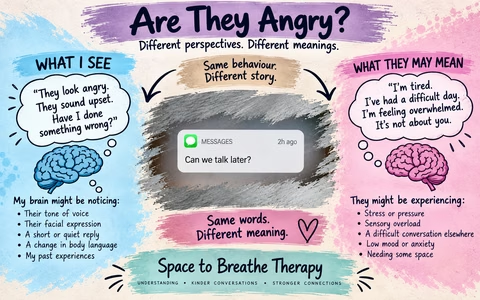
ARE THEY ANGRY?Different perspectives. Different meanings.
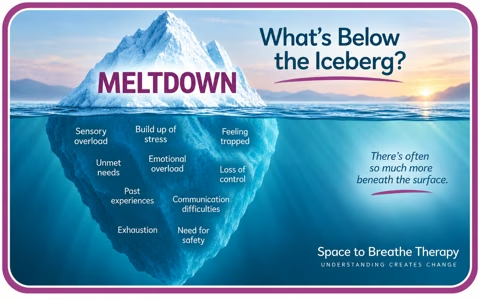
MELTDOWN - WHAT'S BELOW THE ICEBERG?
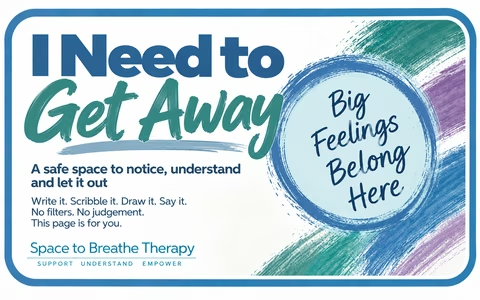
I Need to Get Away
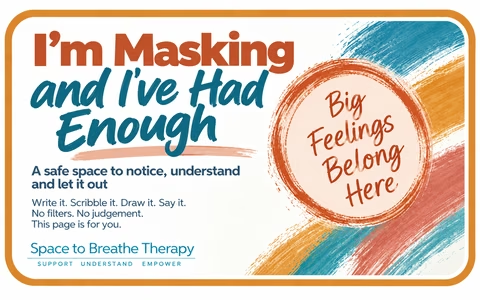
I'm Masking and I've Had Enough
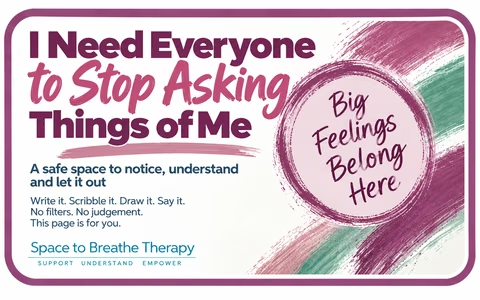
I Need Everyone to Stop Asking Things of Me
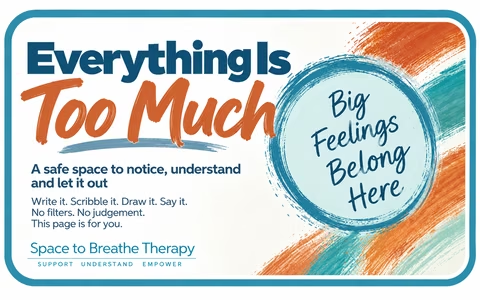
Everything Is Too Much
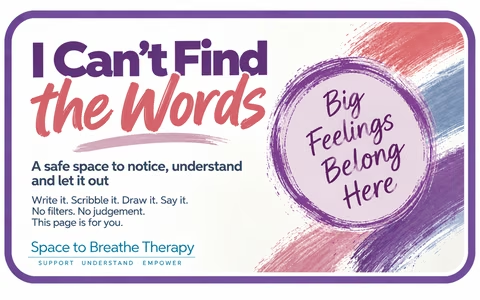
I Can't Find the Words
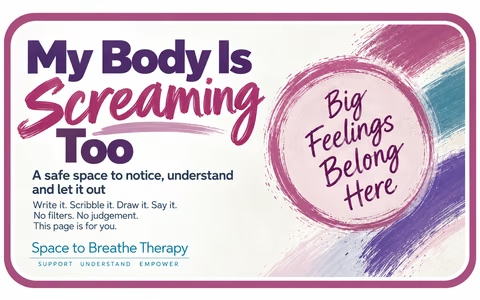
My Body Is Screaming Too

I Need to Scream
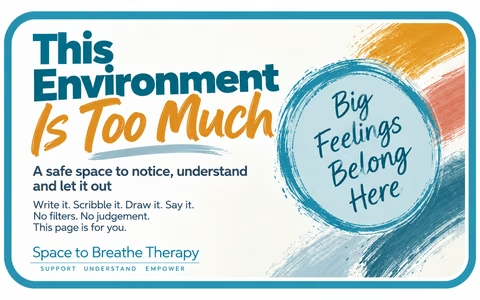
This Environment Is Too Much
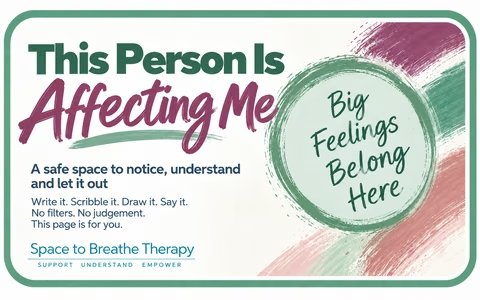
This Person Is Affecting Me

THOUGHTS & MIND: EMOTIONAL DYSREGULATION
Fun Facts - Neurodiversity also highlights many strengths, talents, and fascinating aspects of how different minds work. This page shares interesting insights, strengths often associated with neurodivergent thinking, and positive perspectives on brain diversity.

Adhd fact 27

Adhd fact 26
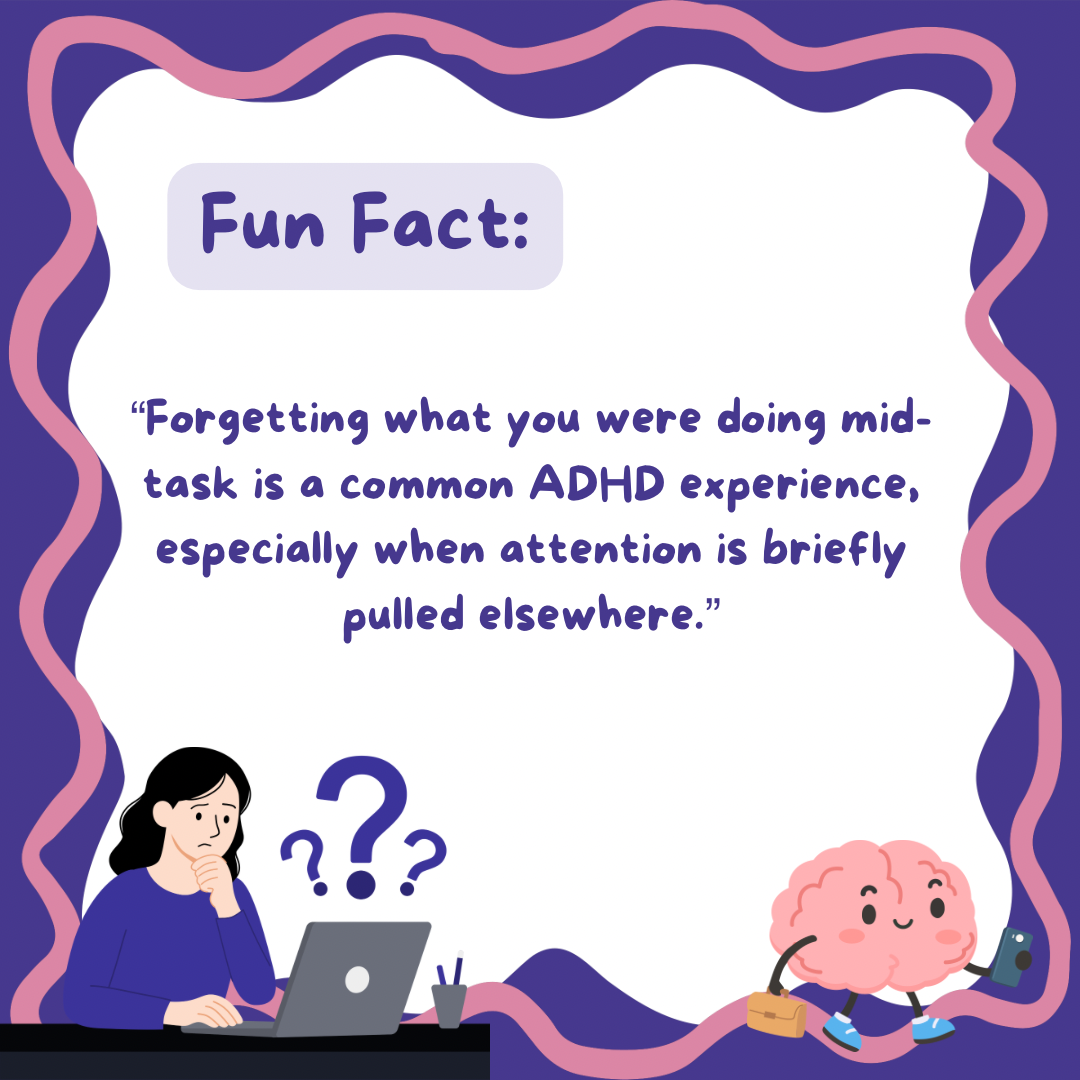
Adhd fact 25

Adhd fact 24

Adhd fact 23

Adhd fact 22

Adhd fact 21
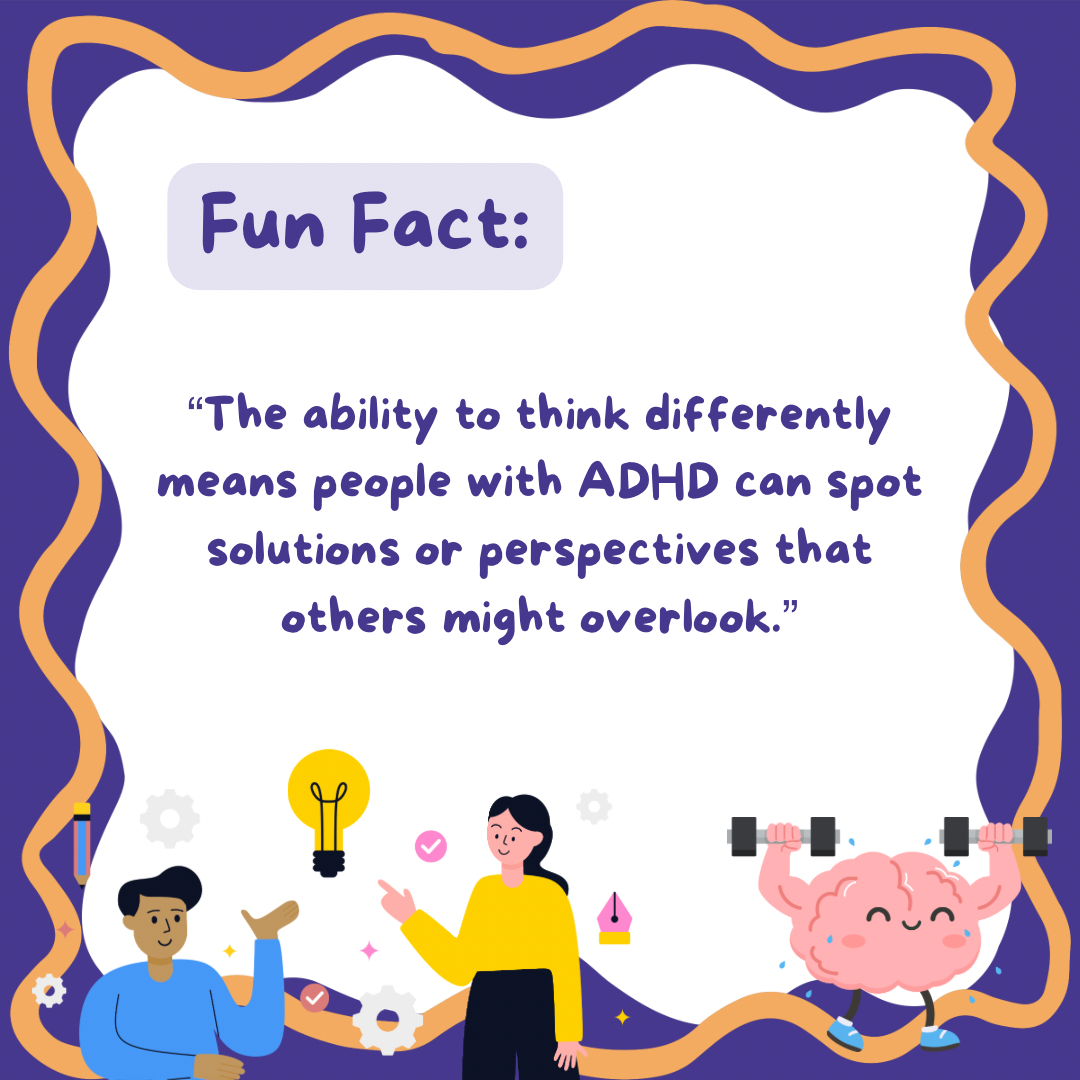
Adhd fact 20

Adhd fact 19

Adhd fact 18

Adhd fact 17

Adhd fact 16
Sensory & Nervous System - Many neurodivergent individuals experience the world through heightened or reduced sensory sensitivity. Sounds, lights, textures, smells, or busy environments can affect how comfortable or overwhelmed someone feels. This section explores sensory processing and the role of the nervous system in shaping these experiences.
MAKING MEALTIMES LESS STRESSFUL

SAFE FOODS AT HOME

FOOD AT SCHOOL
How Sensory Differences Can Make Eating Feel Overwhelming

Supporting Your Child Through the Whole Day, Not Just at the Table, Arfid

Understanding the Many Reasons Behind ARFID

IT'S NOT ABOUT THE FOOD, Arfid

Why Hunger Doesn't Always Override ARFID

Arfid,why a Safe Food Can Suddenly Stop Being Safe

Arfid,They Just Won’t Eat
Lower the Noise

EATING WHEN NOTHING SOUNDS GOOD
Relationships & Belonging - Feeling understood and accepted by others plays an important role in emotional wellbeing. Neurodivergent individuals may sometimes experience challenges in social communication or connection, but meaningful relationships and a sense of belonging remain deeply important.
Communication & Relationships

WHEN ONE PERSON NEEDS SPACE AND THE OTHER NEEDS REASSURANCE
Communication & Relationships
WHEN COMMUNICATION BREAKS DOWN
Communication & Relationships

Relationship Stress
Communication & Relationships

FEELING UNHEARD IN A RELATIONSHIP
Communication & Relationships
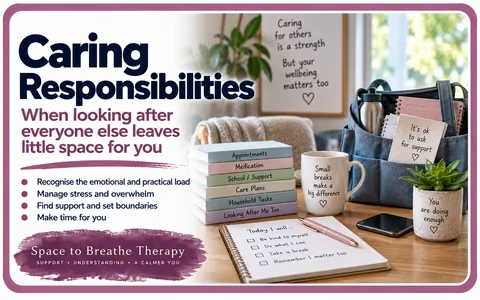
Caring Responsibilities
Communication & Relationships
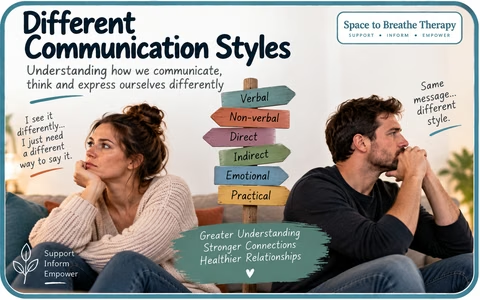
DIFFERENT COMMUNICATION STYLES
Communication & Relationships
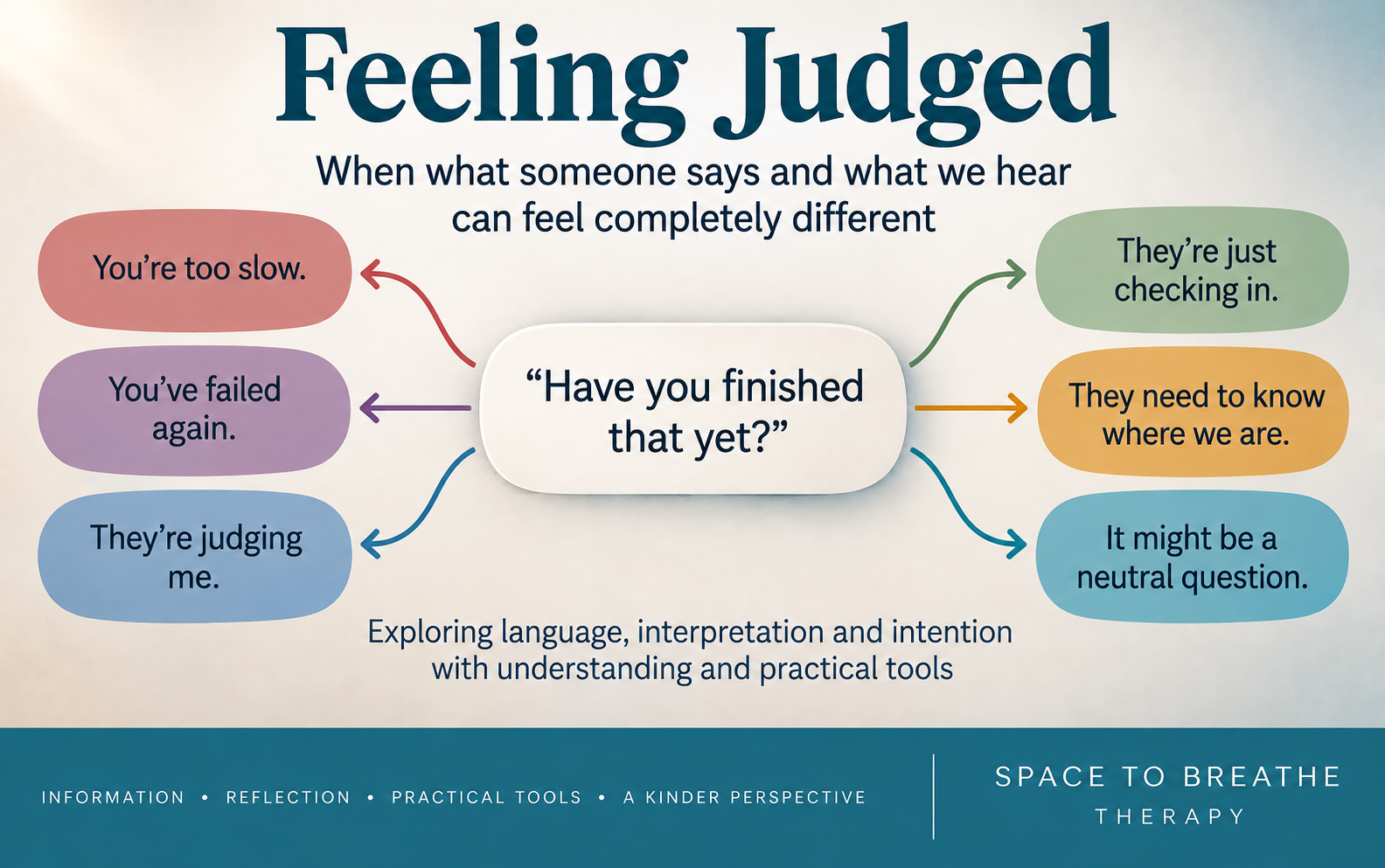
FEELING JUDGED
Communication & Relationships
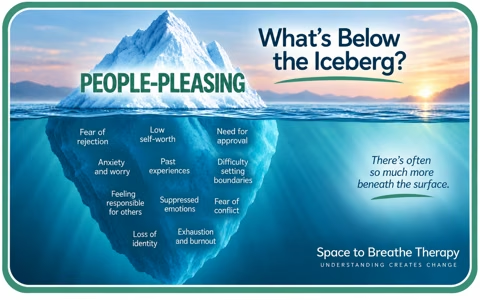
PEOPLE-PLEASING - WHAT'S BELOW THE ICEBERG?
Communication & Relationships

WHEN A PARENT KEEPS CORRECTING THEIR NEURODIVERGENT CHILD
Communication & Relationships

WHEN EVERY CONVERSATION TURNS INTO AN ARGUMENT
Communication & Relationships
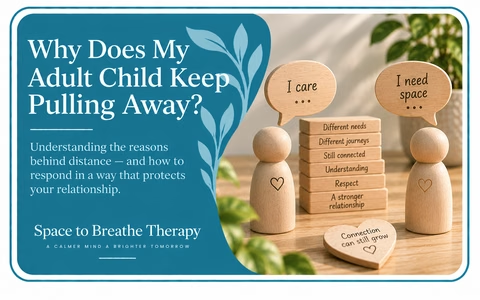
WHY DOES MY ADULT CHILD KEEP PULLING AWAY?
Communication & Relationships

I'M STILL YOUR PARENT - WHEN SUPPORT BECOMES CONTROL
Parenting & Families - Families play an important role in supporting neurodivergent children and adults. Parenting within a neurodiverse family can bring both unique joys and challenges. This page explores supportive approaches, understanding differences, and creating environments where everyone can thrive.
FOOD AT SCHOOL
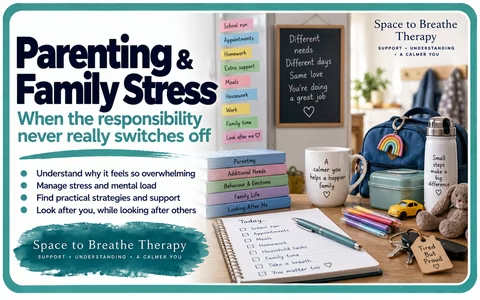
Parenting & Family Stress — When the Responsibility Never Really Switches Off
EHCP's and Preparing for Adulthood
A practical guide o using the EHCP to plan towards adult life, increasing independence and keeping the young persons aspirations at the centre.
EHCP's, School Attendance and Children Struggling to Attend
A practical guide to looking beyond attendance figure, identifying barriers and considering whether needs, provision or placement require review.
Annual Reviews - Preparing and Having Your Say
A practical guide to preparing for an annual review, contributing your views and checking what happens after the meeting.
When the EHCP Doesn't Reflect My Child's Needs
What you can do when important needs are missing, provision is unclear, or the plan does not match the evidence.
Reading the Draft EHCP - What Should I Check?
A practical guide to checking whether the draft reflects your child or young person's needs, makes provision clear, and connects the evidence to the support described.
Understanding the Sections of an EHCP
A practical guide to what belongs in Sections A-K, how the sections connect, and what to look for.
EHCP – Where Do I Start?
A practical starting point for understanding Education, Health and Care Plans and deciding what to do next.
Writing the Parent/Carer Contribution
Turning what you know about your child into a clear, balanced contribution that reflects their strengths, needs and everyday experience.
Gathering Evidence - What Should I Include?
A practical guide to choosing useful evidence, showing patterns over time and organising information without feeling that ever document must be included.
Requesting an EHC Needs Assessment
A practical guide to making a request, explaining why an assessment may be necessary and understanding what happens next.
Life Skills & Independence - Developing practical life skills can help neurodivergent individuals build confidence and independence. This section explores areas such as organisation, daily routines, emotional regulation, and navigating everyday responsibilities in ways that support different ways of thinking and learning.
Life Skills & Independence

CONVENIENCE FOODS ARE STILL FOOD
Life Skills & Independence
MY DIFFICULT-DAY FOOD PLAN
Life Skills & Independence

WHEN A RECIPE GOES WRONG
Life Skills & Independence

FOOD HYGIENE WITHOUT FEAR
Life Skills & Independence
COOKING WITH SENSORY DIFFERENCES
Life Skills & Independence

SHOPPING WITHOUT THE OVERWHELM
Life Skills & Independence
RECIPE & MEAL-PLANNING APPS COMPARED
Life Skills & Independence
THE NEURODIVERGENT RECIPE TRANSLATOR
Life Skills & Independence
THE FREEZER IS A FORM OF SUPPORT
Life Skills & Independence
ONE-PAN, ONE-TRAY AND ONE-BOWL MEALS
Life Skills & Independence
MICROWAVE MEALS MADE SIMPLE
Life Skills & Independence
FOOD PREPARATION ON BETTER DAYS
Tourette Syndrome - Tourette Syndrome is a neurological condition involving involuntary movements or sounds known as tics. These can range from mild and barely noticeable to more pronounced, and often fluctuate in frequency and intensity over time. This section explores what tics are, how they're experienced, and what support and understanding can look like.
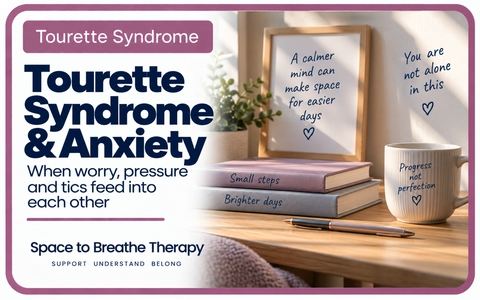
TOURETTE SYNDROME & ANXIETY
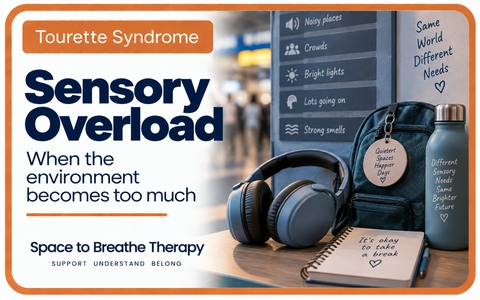
TOURETTE SYNDROME & SENSORY OVERLOAD
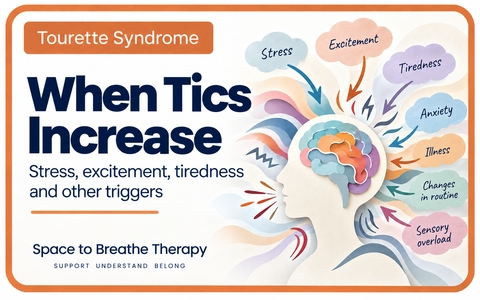
WHEN TICS INCREASE
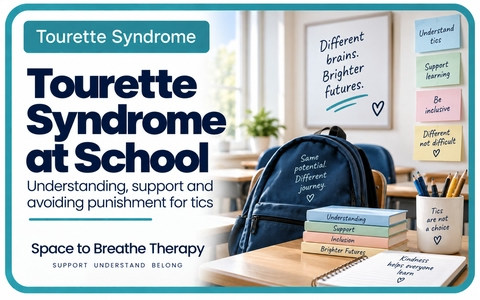
TOURETTE SYNDROME AT SCHOOL
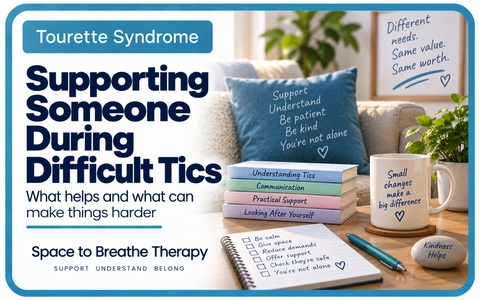
SUPPORTING SOMEONE DURING DIFFICULT TICS
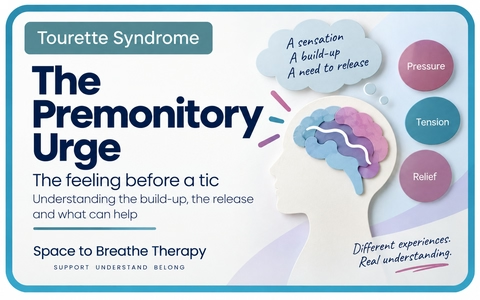
THE PREMONITORY URGE
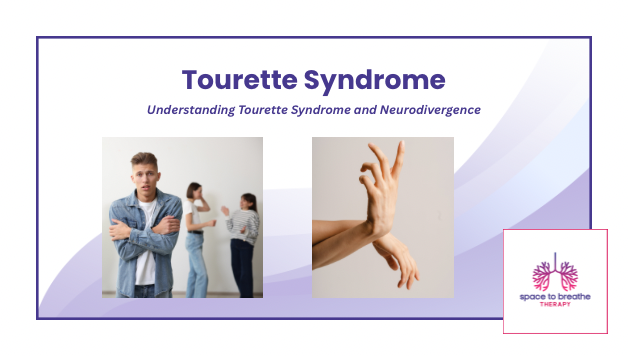
Tourette Syndrome
Understanding Tourette Syndrome and Neurodivergence

Tourette Syndrome Facts
Dyspraxia - Dyspraxia, also known as Developmental Coordination Disorder, affects motor skills, coordination, and sometimes planning or organisation. Everyday tasks like handwriting, balance, or spatial awareness can feel more effortful than they do for others. This section looks at how dyspraxia is experienced and the support that can help.
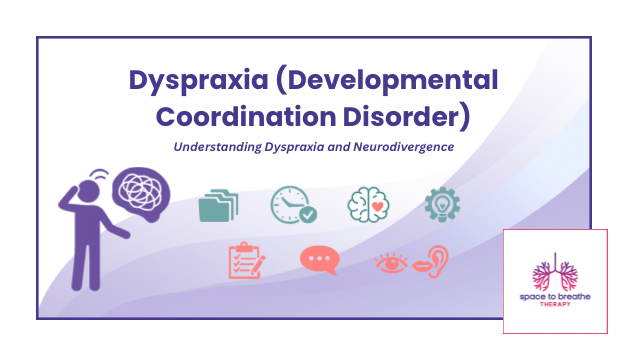
Dyspraxia (Developmental Coordination Disorder)
Understanding Dyspraxia and Neurodivergence

Dyspraxia Facts
Life Skills & Independence - Developing practical life skills can help neurodivergent individuals build confidence and independence. This section explores areas such as organisation, daily routines, emotional regulation, and navigating everyday responsibilities in ways that support different ways of thinking and learning.
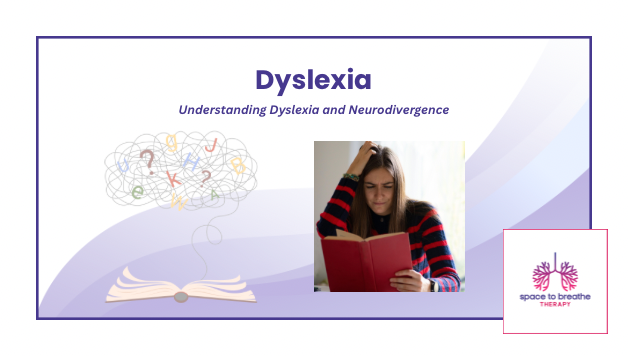
Dyslexia
Understanding Dyslexia and Neurodivergence

Dyslexia Facts
Life Skills & Independence - Developing practical life skills can help neurodivergent individuals build confidence and independence. This section explores areas such as organisation, daily routines, emotional regulation, and navigating everyday responsibilities in ways that support different ways of thinking and learning.
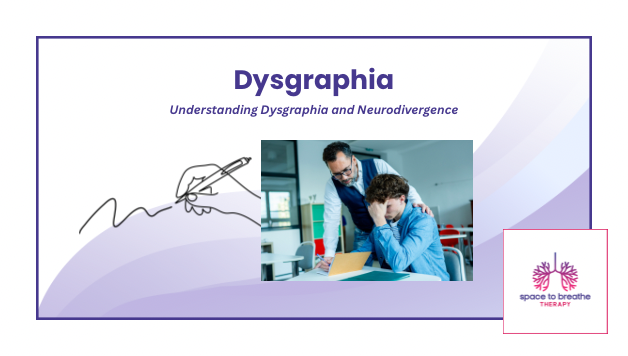
Dysgraphia
Understanding Dysgraphia and Neurodivergence

Dysgraphia Facts
Life Skills & Independence - Developing practical life skills can help neurodivergent individuals build confidence and independence. This section explores areas such as organisation, daily routines, emotional regulation, and navigating everyday responsibilities in ways that support different ways of thinking and learning.
Dysgraphia
Understanding Dysgraphia and Neurodivergence
Dysgraphia Facts
Life Skills & Independence - Developing practical life skills can help neurodivergent individuals build confidence and independence. This section explores areas such as organisation, daily routines, emotional regulation, and navigating everyday responsibilities in ways that support different ways of thinking and learning.
SAFE FOODS AT HOME
FOOD AT SCHOOL
nderstanding My Partners Autistic Needs
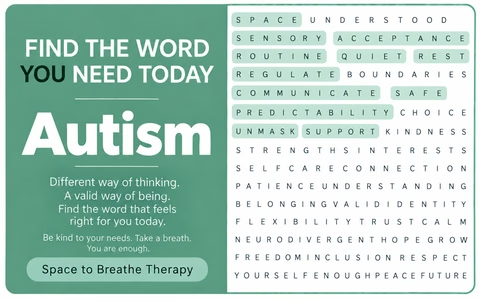
Find the Word You Need Today - Autism
My Sensory Emergency Kit
Recovering After a Shutdown
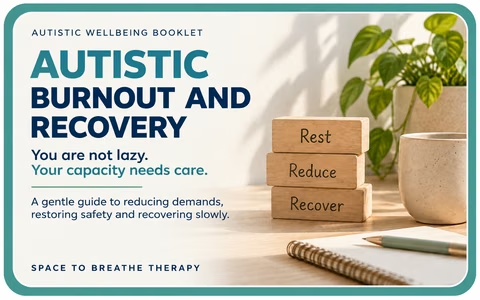
Autistic Burnout and Recovery
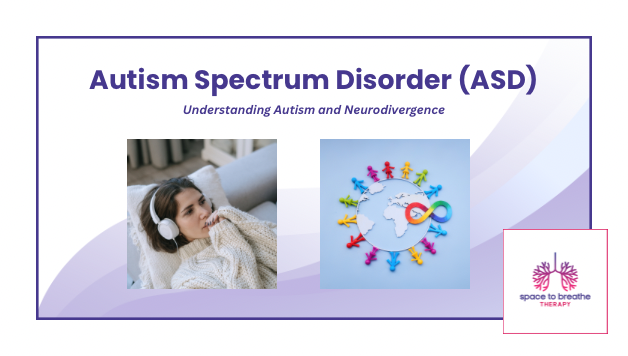
Autism Spectrum Disorder (ASD)
Understanding Autism and Neurodivergence

Autism Facts
ADHD - ADHD (Attention Deficit Hyperactivity Disorder) affects attention, impulse control, and activity levels, and can influence how someone focuses, organises, or manages time. It often brings a mix of challenges and strengths, including creativity, energy, and the ability to hyperfocus on things of interest. This section explores what ADHD looks like and the support that can help.
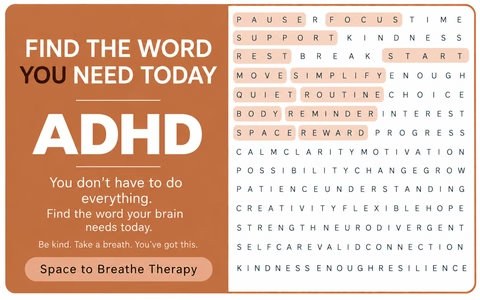
Find the Word You Need Today - ADHD
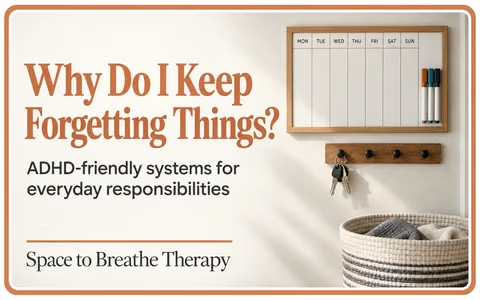
WHY DO I KEEP FORGETTING THINGS?
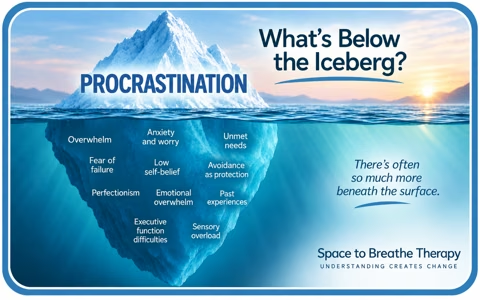
PROCRASTINATION - WHAT'S BELOW THE ICEBERG?
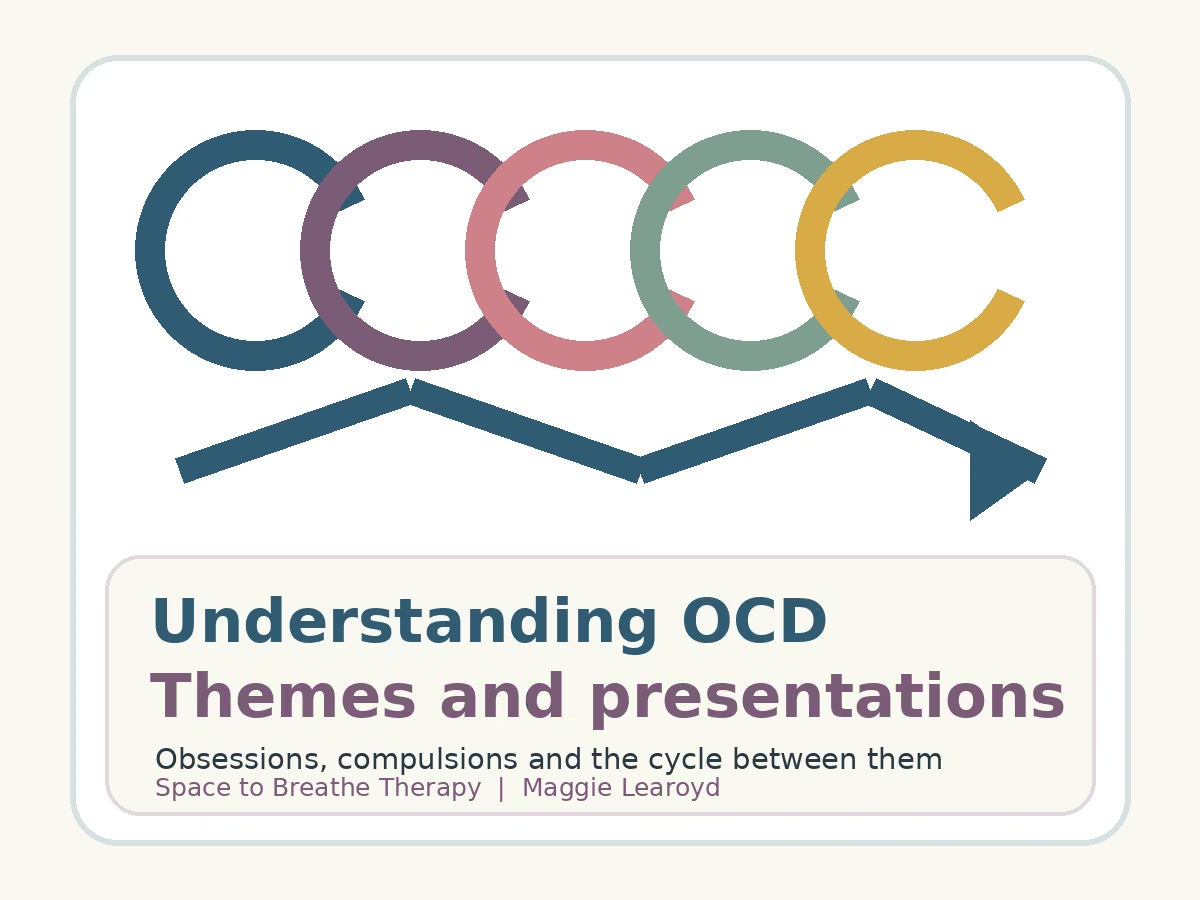
UNDERSTANDING OCD THEMES AND PRESENTATIONS
Obsessions, compulsions and the cycle between them
MANAGING INTRUSIVE THOUGHTS
Understanding unwanted thoughts and changing your relationship with them

WHEN SLEEP WON’T COME
Recovering After a Shutdown
Attention Deficit Hyperactivity Disorder (ADHD)
Understanding ADHD and Neurodivergence

ADHD Facts
Coaching - This page offers coaching designed to support neurodivergent individuals in daily life. It looks at practical strategies for managing routines, communication, and sensory needs, while building on individual strengths.

MOOD DIARY — WITH PICTURE CUES
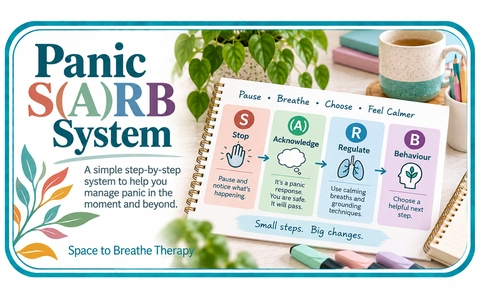
PANIC S(A)RB SYSTEM
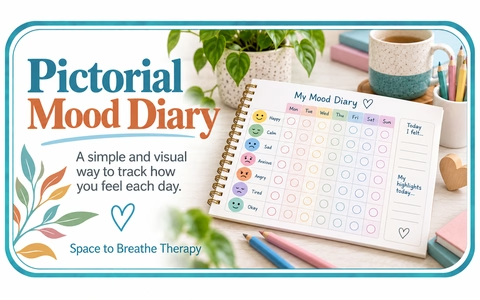
PICTORIAL MOOD DIARY
MY SMART GOAL PLAN
TOPP REFLECTIVE WORKSHEET
POCKET SAFETY PLAN CARDS
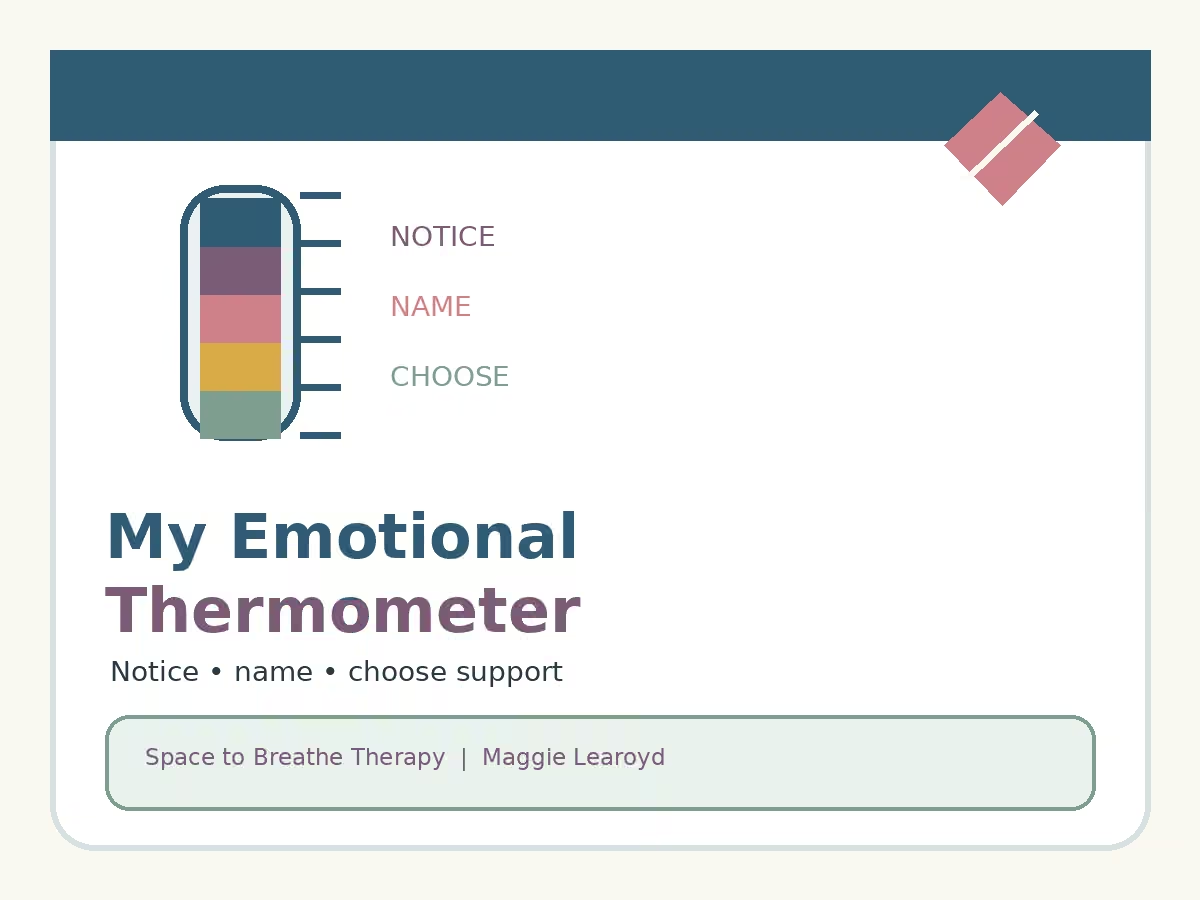
MY EMOTIONAL THERMOMETER
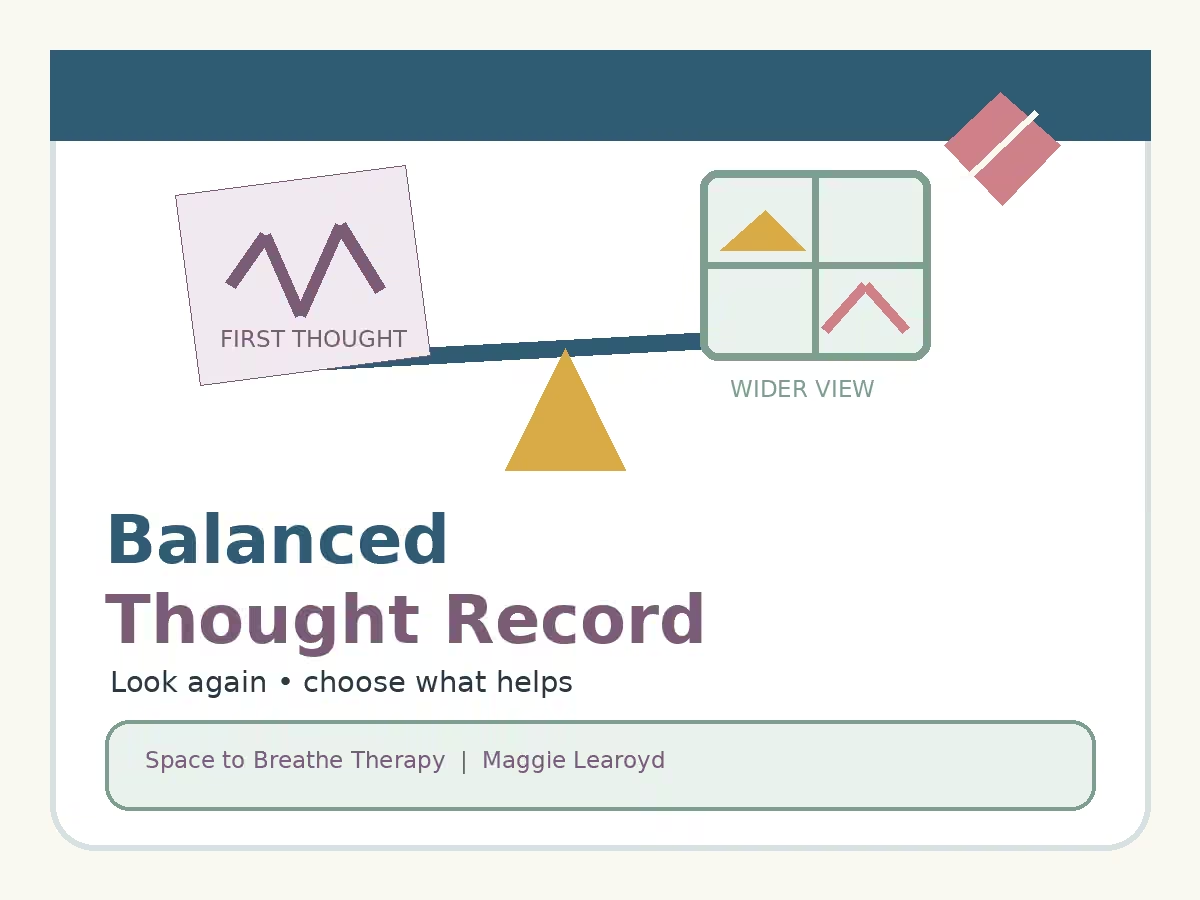
BALANCED THOUGHT RECORD
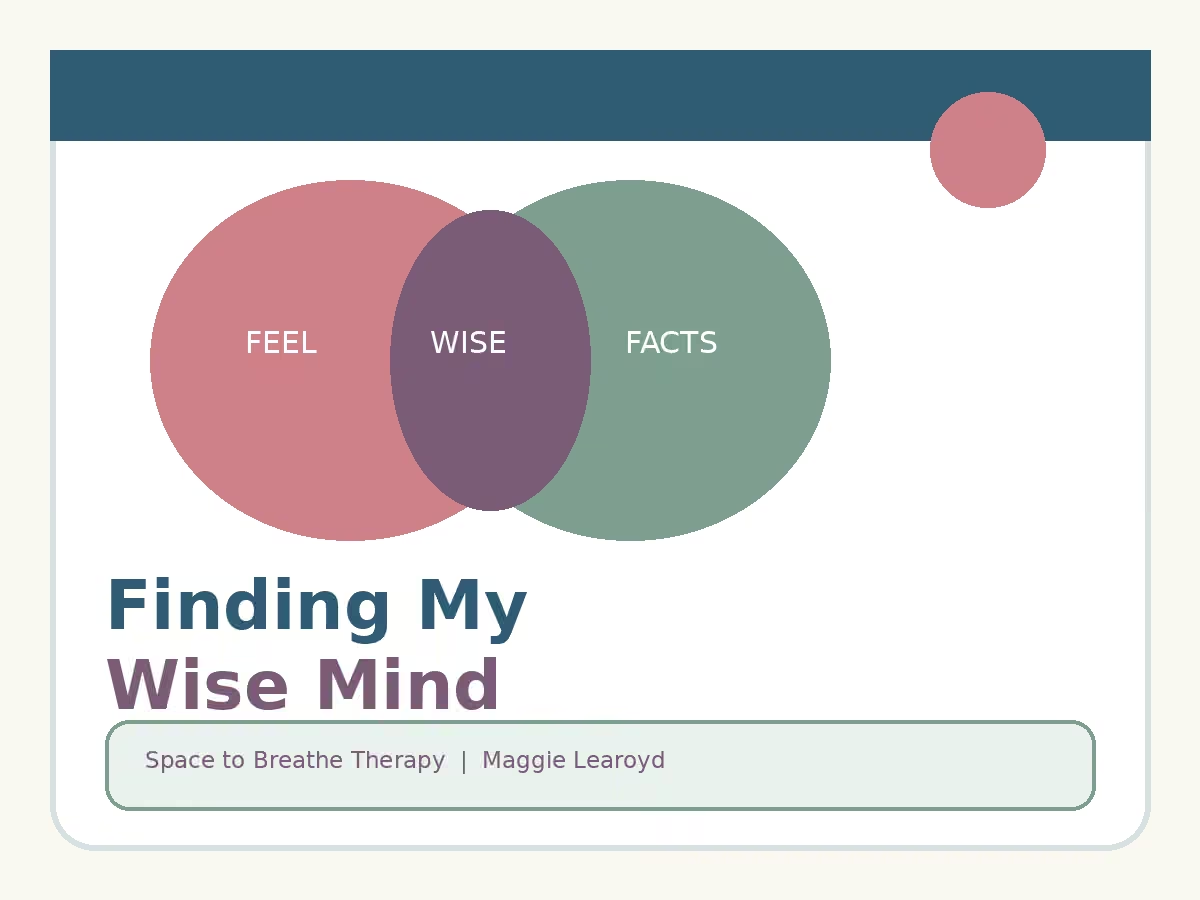
FINDING MY WISE MIND
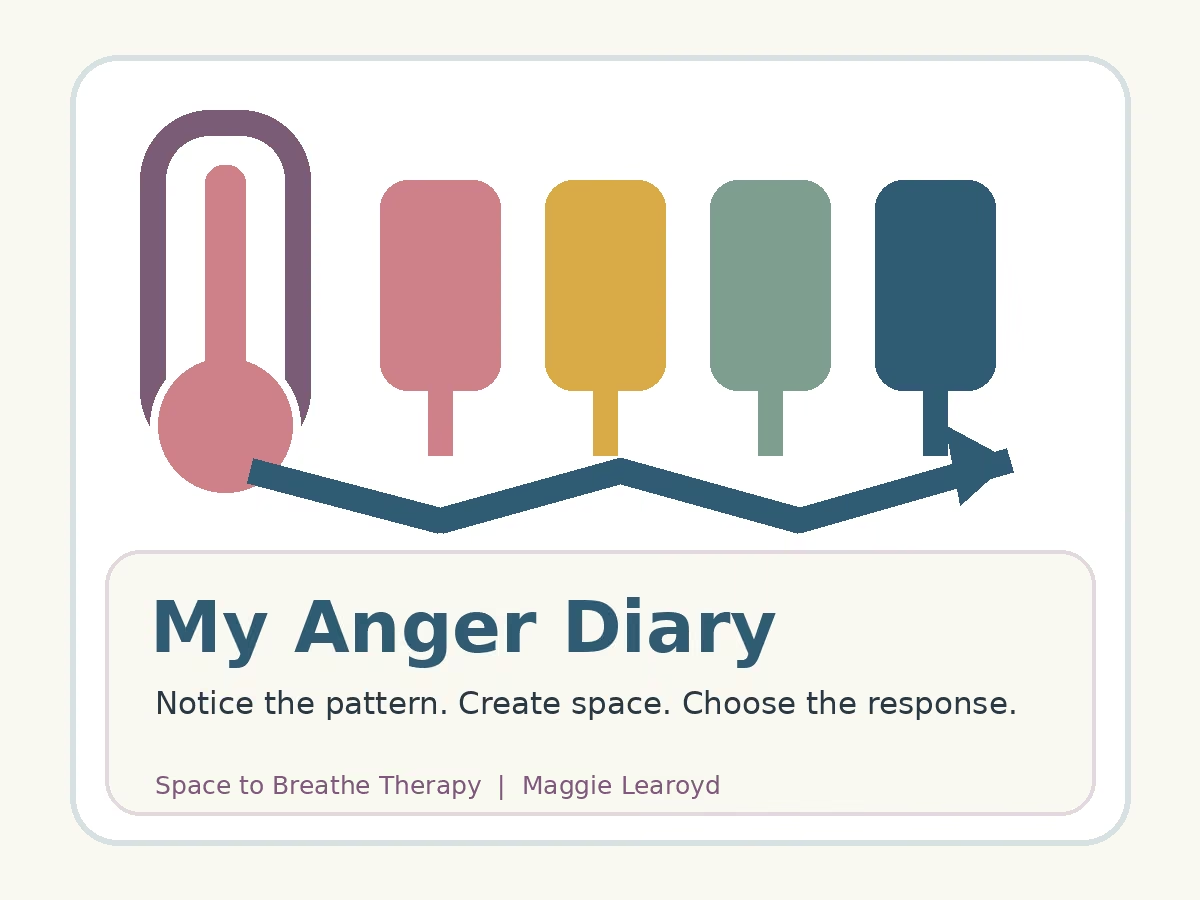
MY ANGER DIARY
Notice the pattern. Create space. Choose the response.
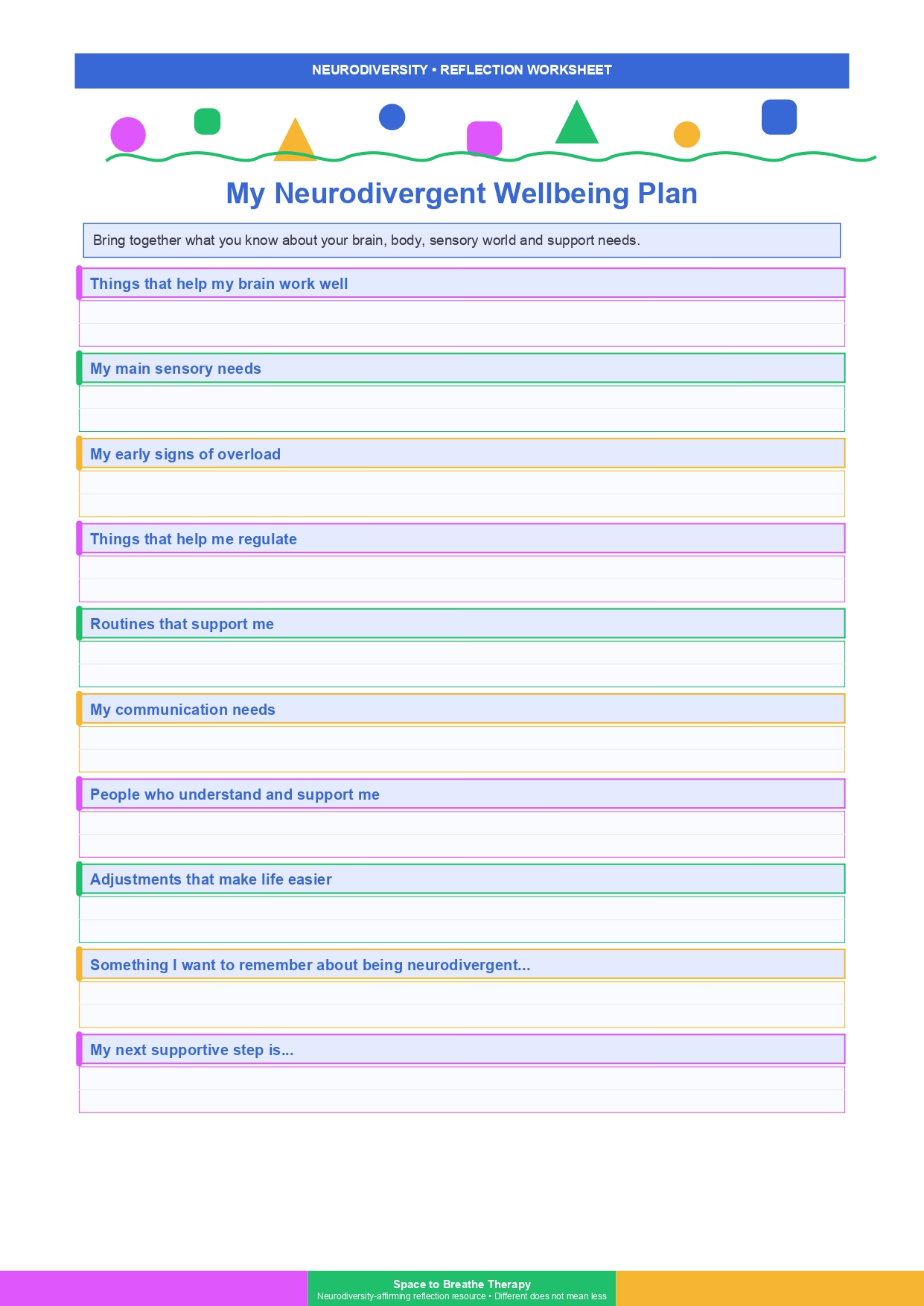
My Neurodivergent Wellbeing Plan
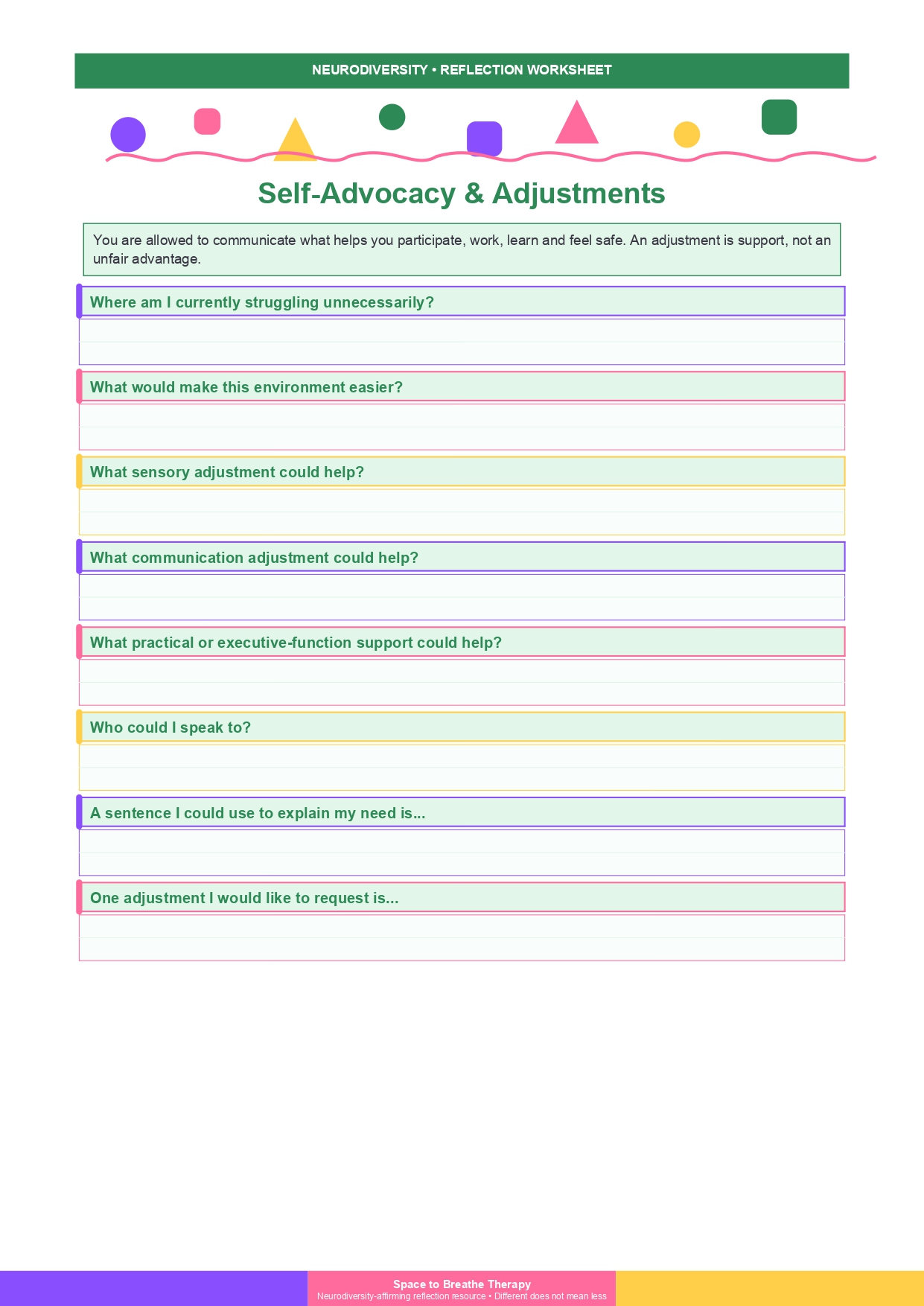
Self-Advocacy & Adjustments
Downloads - This section offers downloadable resources designed to support neurodivergent individuals, families, and carers. These may include sensory awareness tools, daily routine planners, emotional regulation worksheets, communication guides, and reflection exercises that help people better understand their needs and strengths.
These resources aim to provide practical support while encouraging self-awareness, confidence, and environments where neurodivergent individuals can thrive.
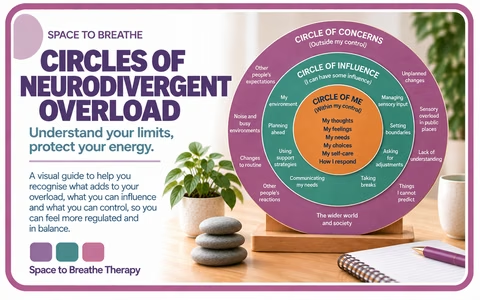
Circles of neurodivergent overload
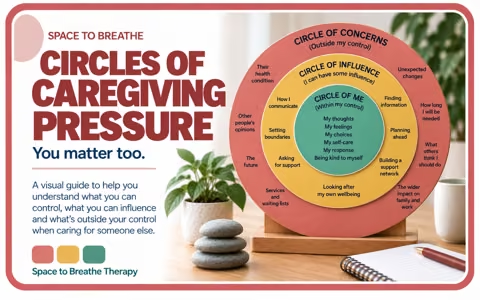
Circles of caregiving pressure
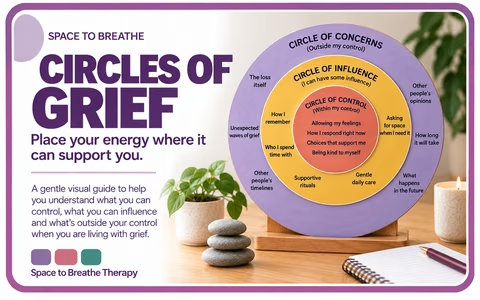
Circles of grief
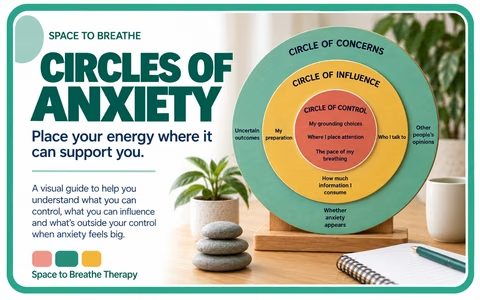
Circles of anxiety
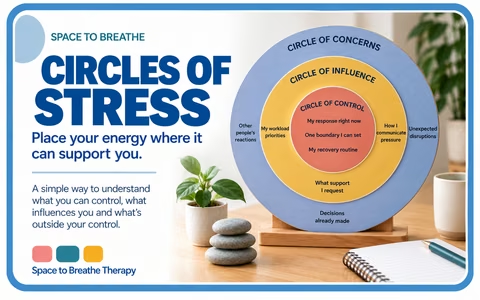
Circles of stress
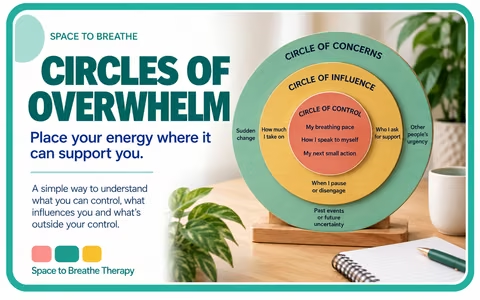
Circles of overwhelm