Understanding Yourself - Understanding how your mind works can be an important step toward self-acceptance and personal growth. This page explores self-awareness within the context of neurodiversity, helping individuals recognise their strengths, challenges, and unique ways of experiencing the world.
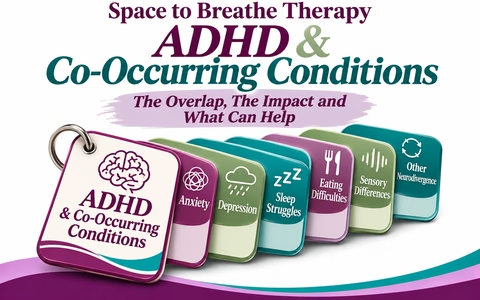
Neurodivergence & Co-occurring Conditions — Interactive Flip Cards
An interactive collection of 13 professional flip cards explaining neurodivergence and co-occurring conditions, including autism, ADHD, anxiety, depression, learning differences, Tourette syndrome, OCD and physical health needs. Each card explains possible overlaps, everyday challenges and practical support, helping employees, families and professionals understand the whole person.
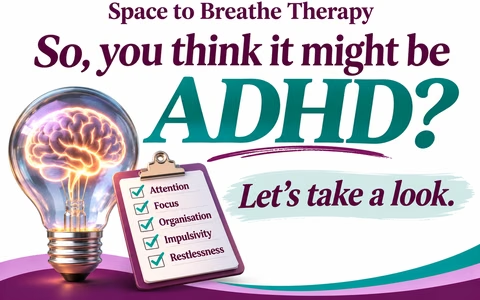
So, you think it might be ADHD? Let's take a look.
Wondering whether ADHD might explain some everyday experiences? This interactive self-exploration quiz invites you to reflect on attention, organisation, restlessness and impulsivity. Explore personal patterns, consider their impact and create a helpful summary to discuss with a qualified professional.

ARE THEY ANGRY?Different perspectives. Different meanings.
Explore how behaviour can be misunderstood through interactive situations, animated flip cards and different perspectives. Discover why silence, facial expressions or short responses do not always mean anger. Practise checking assumptions, improve communication and reflect on your own experiences.
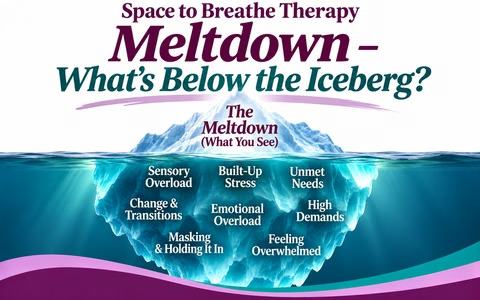
MELTDOWN - WHAT'S BELOW THE ICEBERG?
Explore what lies beneath a meltdown through this interactive iceberg story. Make choices, uncover hidden pressures including sensory overload, masking and unmet needs, and discover supportive responses. Create your personal iceberg, explore recovery strategies and identify what helps you feel safe.

I Need to Get Away
Explore why everything can sometimes feel too much and why you might need to escape. This interactive resource helps you recognise overwhelm, understand your need for space, explore emotional triggers, communicate boundaries and create a personalised plan for feeling safer.

I'm Masking and I've Had Enough
Explore the emotional exhaustion of constantly masking your needs, feelings and natural responses. This interactive resource helps you recognise the impact of masking, understand your nervous system, explore safer ways to express yourself and begin reducing pressure at your pace.
I Need Everyone to Stop Asking Things of Me
Explore the feeling of being overwhelmed by constant requests, responsibilities and expectations. This interactive story helps you recognise when demands become too much, explore different responses and practise setting boundaries. Discover how to protect your energy and communicate your needs without guilt.

Everything Is Too Much
Explore what happens when everything feels too much. This interactive story uses moving jigsaw pieces to represent growing demands, emotions and sensory overload. Make choices, explore different outcomes and discover ways to reduce pressure, communicate your needs and regain breathing space.

I Can't Find the Words
When feelings are overwhelming and words won't come, communication can feel impossible. This interactive resource helps you explore emotions, recognise your needs, build simple messages and use communication cards, offering gentle ways to express yourself without pressure to speak.

My Body Is Screaming Too
Explore how overwhelming emotions can affect your body, from muscle tension and exhaustion to stomach discomfort and a racing heart. This interactive resource helps you recognise physical signals, understand your nervous system, explore regulation strategies and create personalised support.

I Need to Scream
When emotions build until you feel like screaming, finding relief can feel difficult. This immersive interactive experience lets you explore rising pressure, release emotional tension through beautiful visual effects, recognise your triggers and discover supportive ways to regain calm.

This Environment Is Too Much
Explore what happens when noise, bright lights, movement and everyday demands become overwhelming. This interactive story invites you to make choices, recognise sensory overload and discover ways to communicate your needs, find quieter spaces and regain a sense of comfort and control.
Diagnosis & What Comes Next - This section explores how coaching can support neurodivergent people to understand how their minds work and build on their natural strengths. It covers practical approaches to focus, organisation, communication and self-advocacy, helping you find strategies that fit the way you think rather than working against it.
Autism - This section explores autism as a different way of experiencing and making sense of the world. It covers communication, sensory differences, routines, masking and burnout, alongside the strengths autistic people often bring, helping to build understanding for autistic people and those who support them.
Autism: Understanding My Experiences
Explore your individual autistic experiences, understand your needs and preferences, and create a personalised support profile to help communicate them to others.

Do You Think You Might Be Autistic? – Take the Quiz
Explore your experiences with this interactive 30-question self-discovery quiz. Reflect on social communication, sensory sensitivities, masking and everyday challenges to gain a better understanding of yourself.
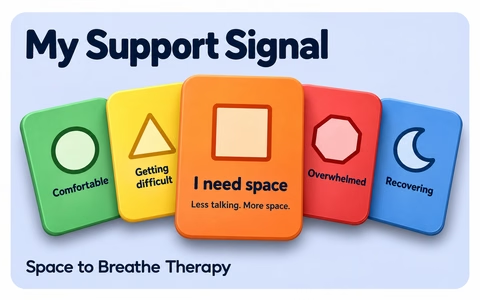
My Support Signal
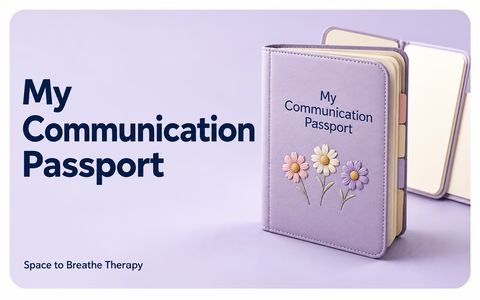
my Communication Passport
Create your own personalised Communication Passport to share how you communicate, your preferences, individual needs and what helps you feel understood. Explore different ways to express yourself, build confidence and help others offer support that respects your choices and individuality.
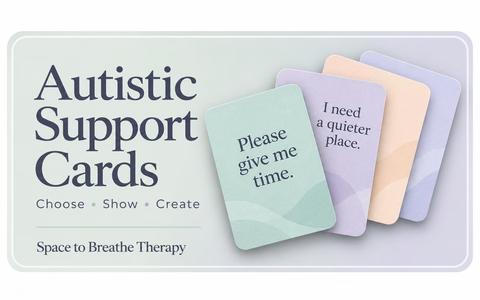
Autistic Support Cards
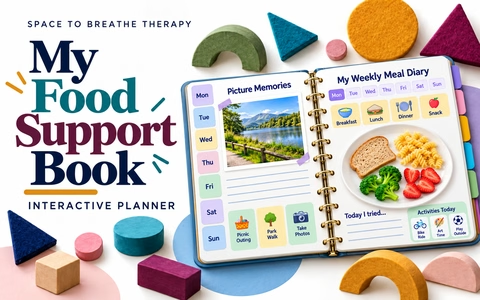
My Food Support Book
Brick Play Studio Build • Explore • Create
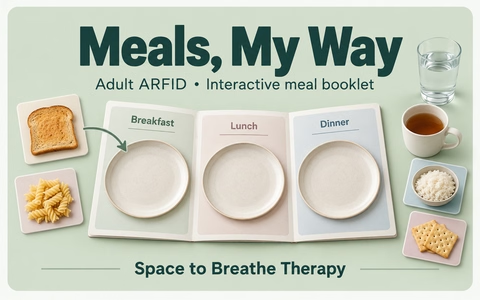
Meals, My Way Adult ARFID • Interactive meal booklet

A Trip to the Shops, My Way: A Friendly, Flexible Guide
Plan a shopping trip your way with a friendly interactive guide for children and trusted grown-ups. Prepare a list, choose sensory supports, practise shopping and create communication cards. Save your choices and print a flexible plan with room for breaks.
ADHD - ADHD (Attention Deficit Hyperactivity Disorder) affects attention, impulse control, and activity levels, and can influence how someone focuses, organises, or manages time. It often brings a mix of challenges and strengths, including creativity, energy, and the ability to hyperfocus on things of interest. This section explores what ADHD looks like and the support that can help.
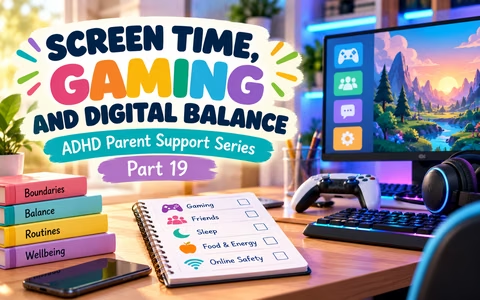
Screen Time, Gaming and Digital Balance
Explore how screens and gaming affect children with ADHD, including motivation, emotional regulation and social connection. Discover practical strategies for managing transitions, setting boundaries, supporting sleep, encouraging digital balance and promoting online safety without unnecessary conflict, criticism or judgement.

Organisation, Routines and Everyday Life
Explore practical ways to support organisation and everyday routines for children with ADHD. Discover visual reminders, simple storage, morning routines, school preparation and strategies to reduce repeated prompting, build independence and make daily family life feel calmer and more manageable.
Friendships, Rejection and Feeling Different
Explore the challenges children with ADHD may experience in friendships, including rejection, misunderstandings, masking and loneliness. Discover compassionate ways to support social confidence, navigate disagreements, repair friendships and help children feel accepted, valued and understood without changing who they are.
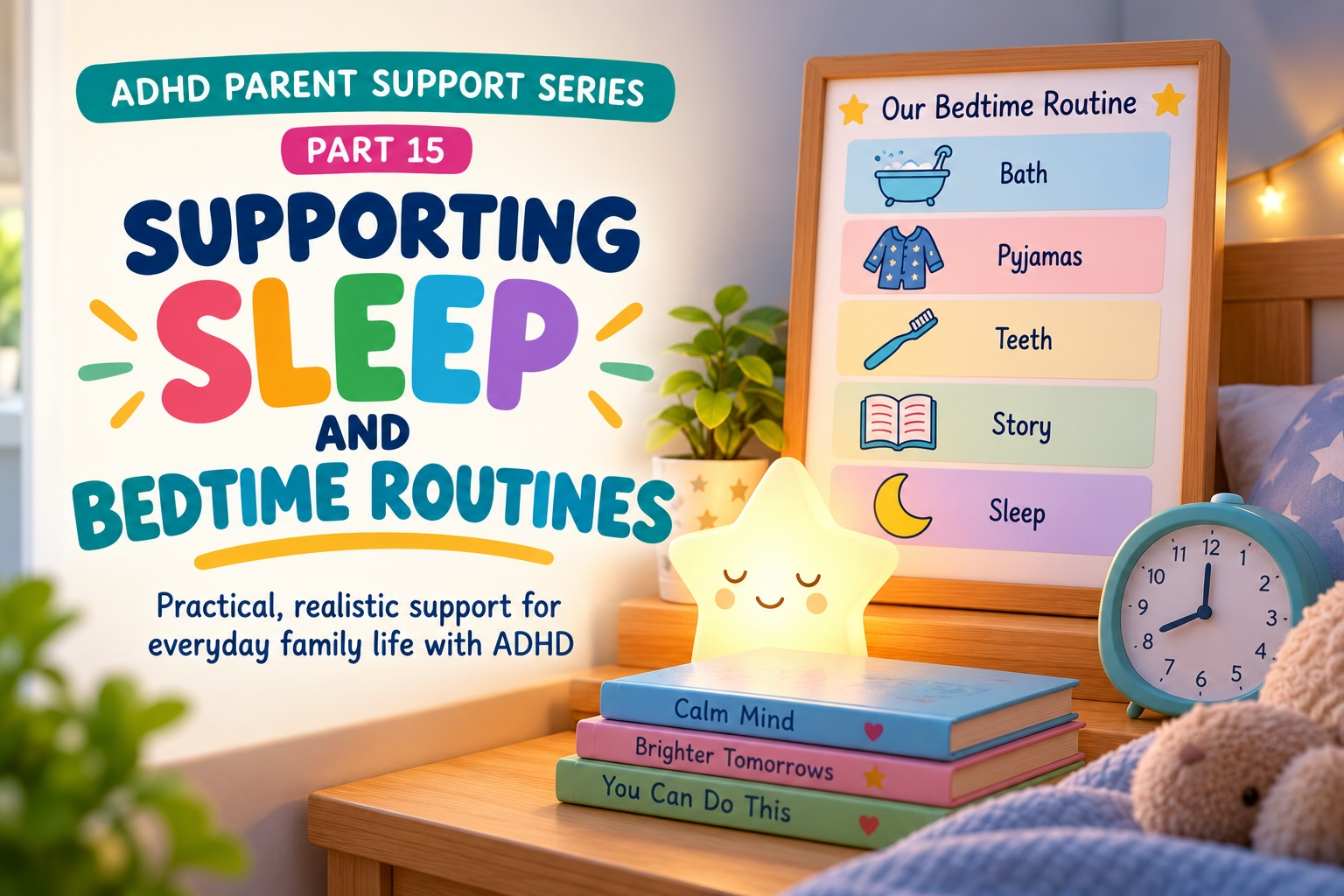
SUPPORTING SLEEP AND BEDTIME ROUTINES
Explore gentle, practical ways to support sleep and bedtime routines for children with ADHD. Discover calming transitions, visual schedules, sensory comfort, managing worries, screen habits and night waking, helping families create more peaceful evenings while recognising individual needs and challenges.
Homework Without the Battle
Explore practical ways to reduce homework struggles for children with ADHD. Understand after-school exhaustion, task initiation, frustration and attention difficulties, while discovering supportive strategies, purposeful breaks and a personalised Family Homework Plan to make learning more manageable and less stressful.
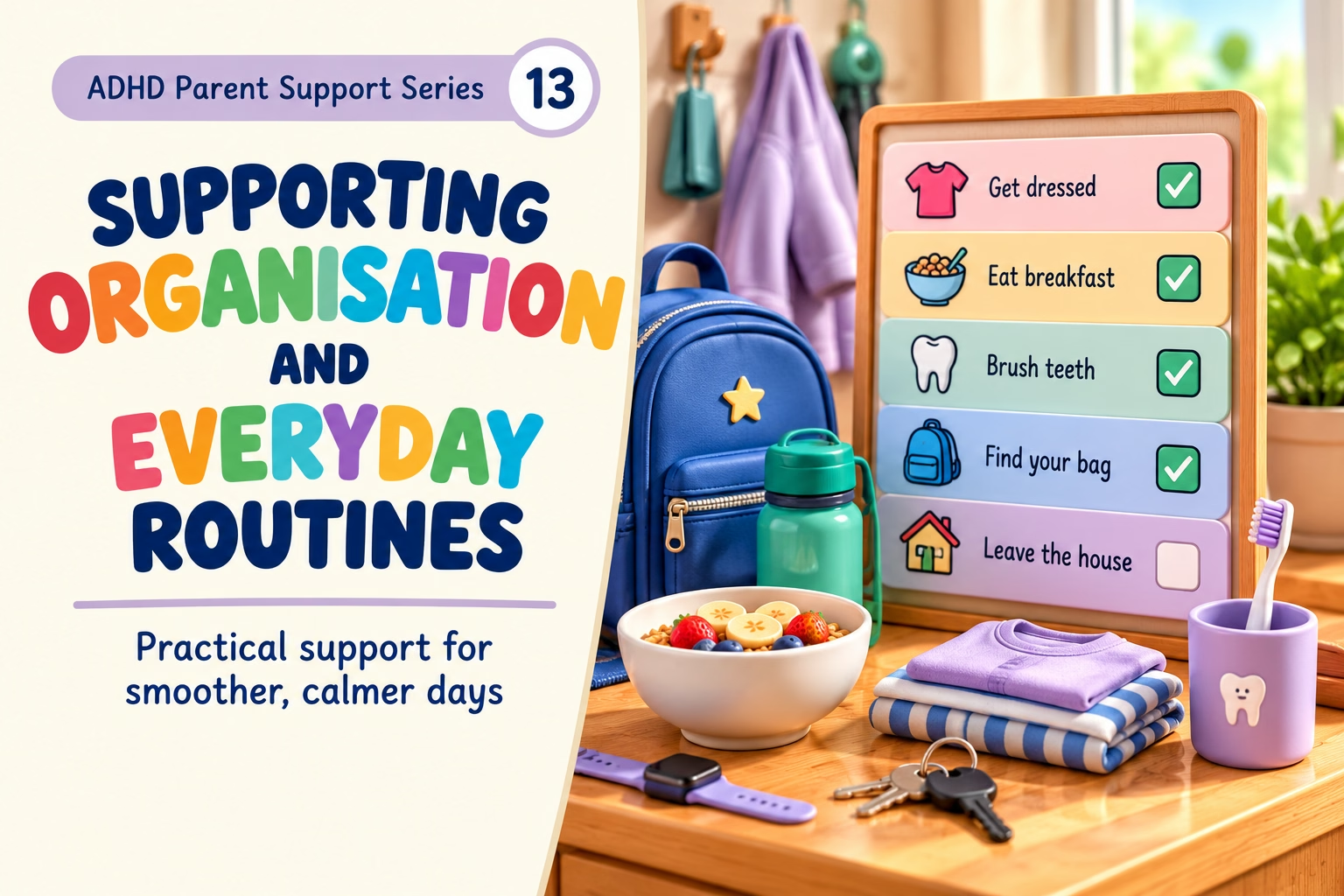
SUPPORTING ORGANISATION AND EVERYDAY ROUTINES
Explore practical ways to support organisation and everyday routines for children with ADHD. Discover visual schedules, simple reminders, managing belongings, smoother transitions and achievable steps that reduce overwhelm, build independence and help families navigate daily challenges with greater confidence and understanding.
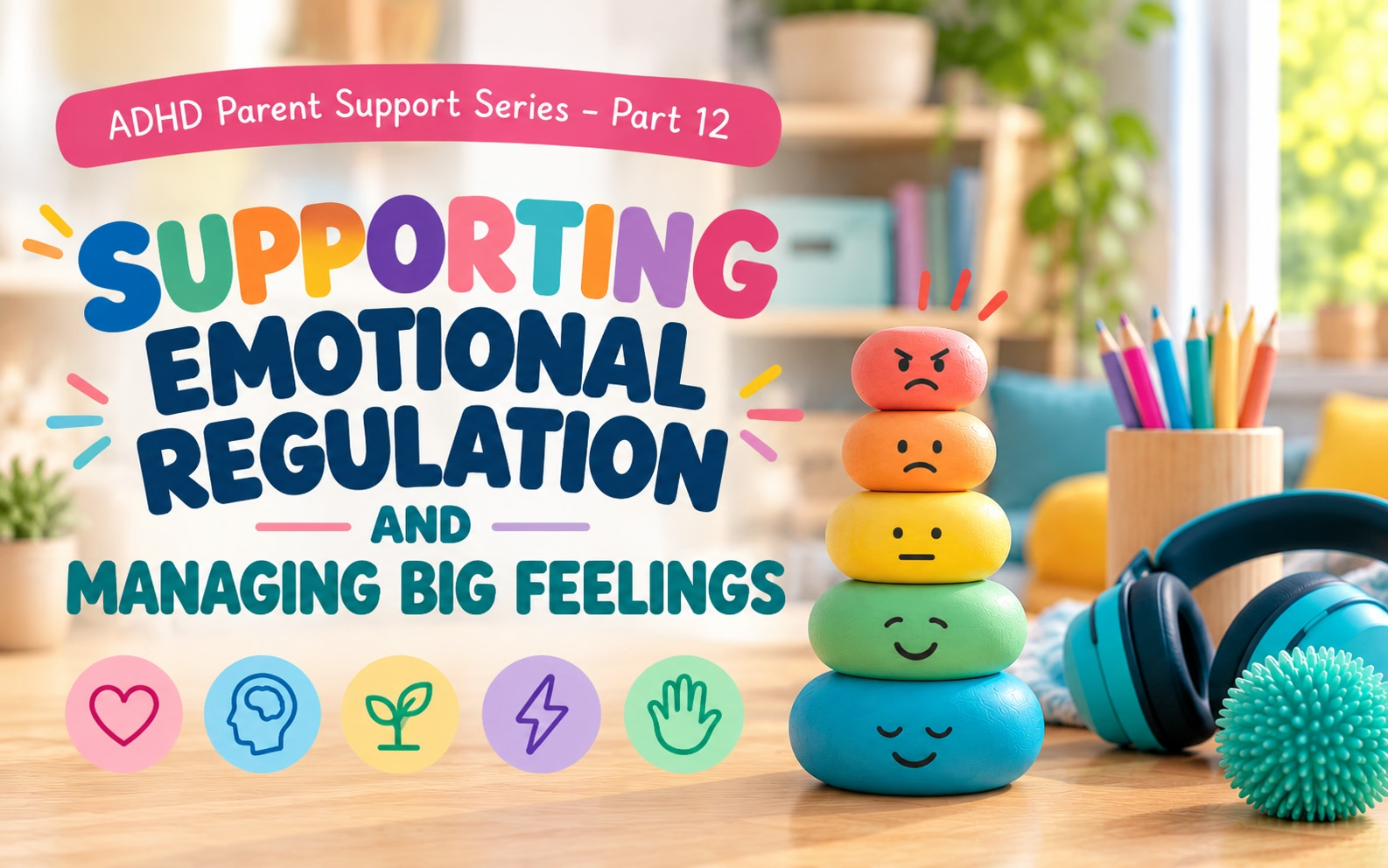
Supporting Emotional Regulation and Managing Big Feelings
Explore compassionate ways to support emotional regulation in children with ADHD. Recognise early warning signs, understand overwhelming feelings, explore calming strategies, communication and boundaries, and create a personalised Big Feelings Support Plan to encourage confidence, connection and emotional wellbeing.
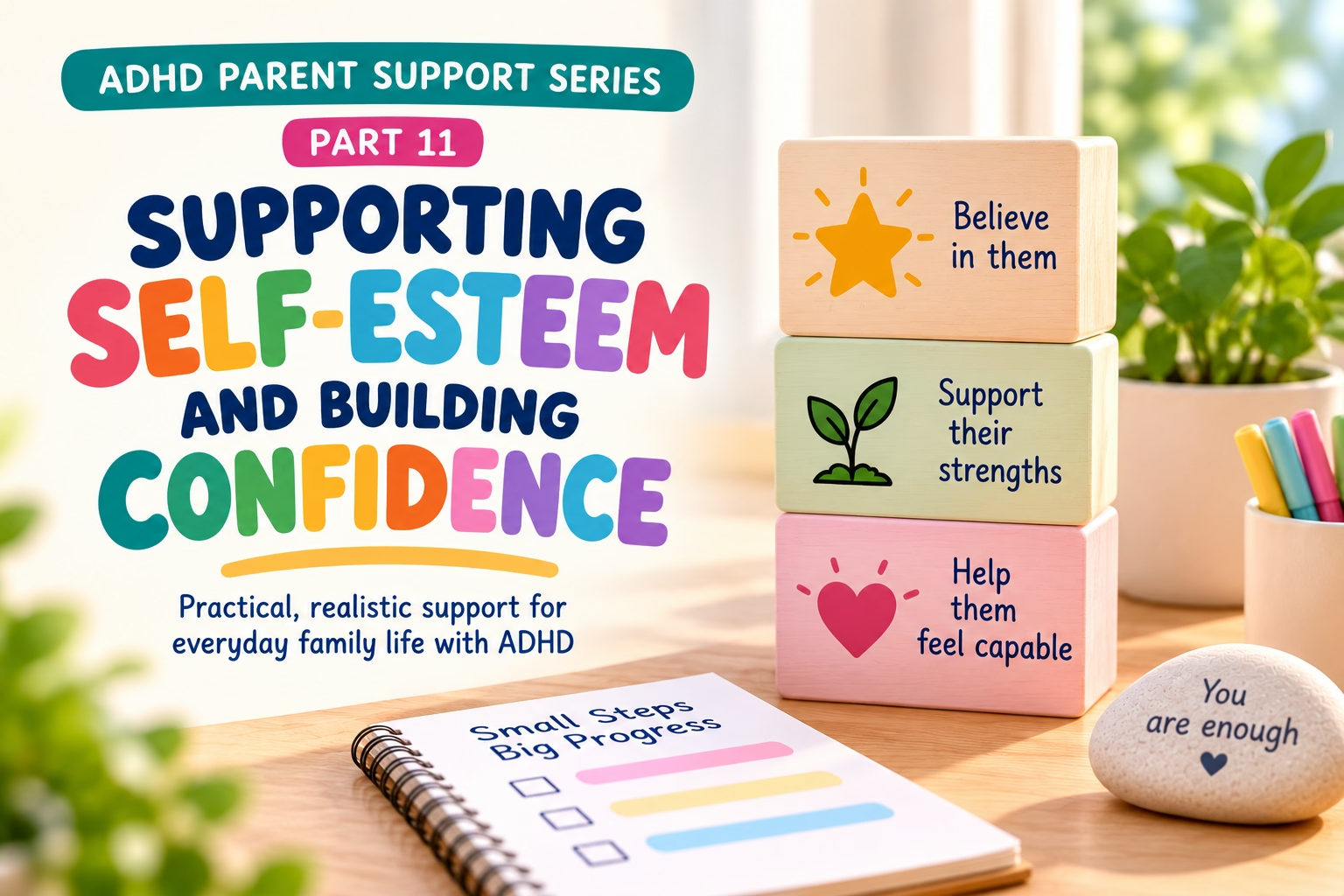
SUPPORTING SELF-ESTEEM AND BUILDING CONFIDENCE
Explore compassionate ways to nurture confidence and self-esteem in children with ADHD. Discover how strengths, achievable responsibilities, positive feedback and relationship repair can help children feel valued, capable and understood, while reducing the impact of repeated correction and criticism.
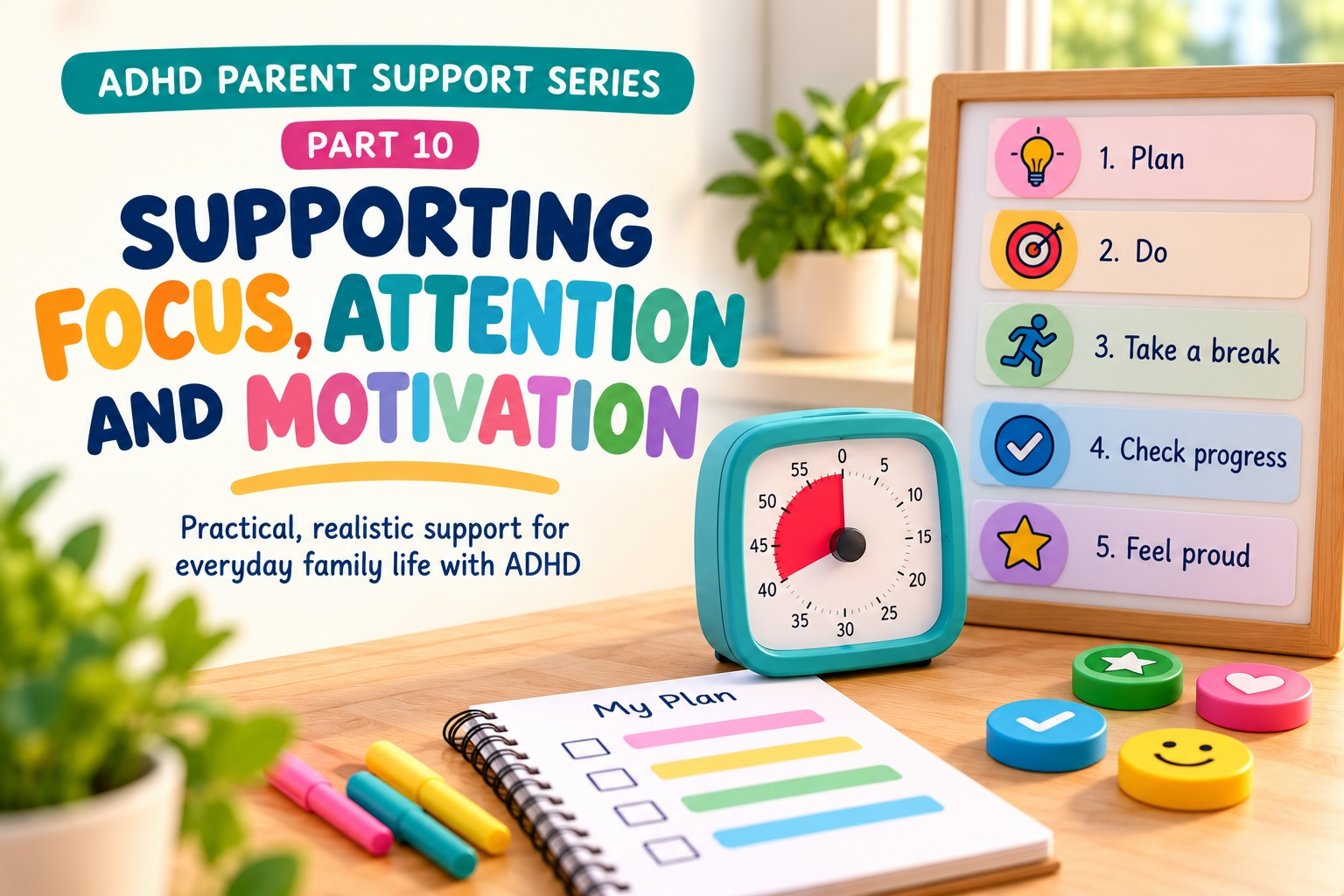
SUPPORTING FOCUS, ATTENTION AND MOTIVATION
Explore practical ways to support focus, attention and motivation in children with ADHD. Discover strategies for starting tasks, managing distractions, movement breaks, homework, visible goals and positive feedback, helping children develop confidence and engagement without pressure to try harder.
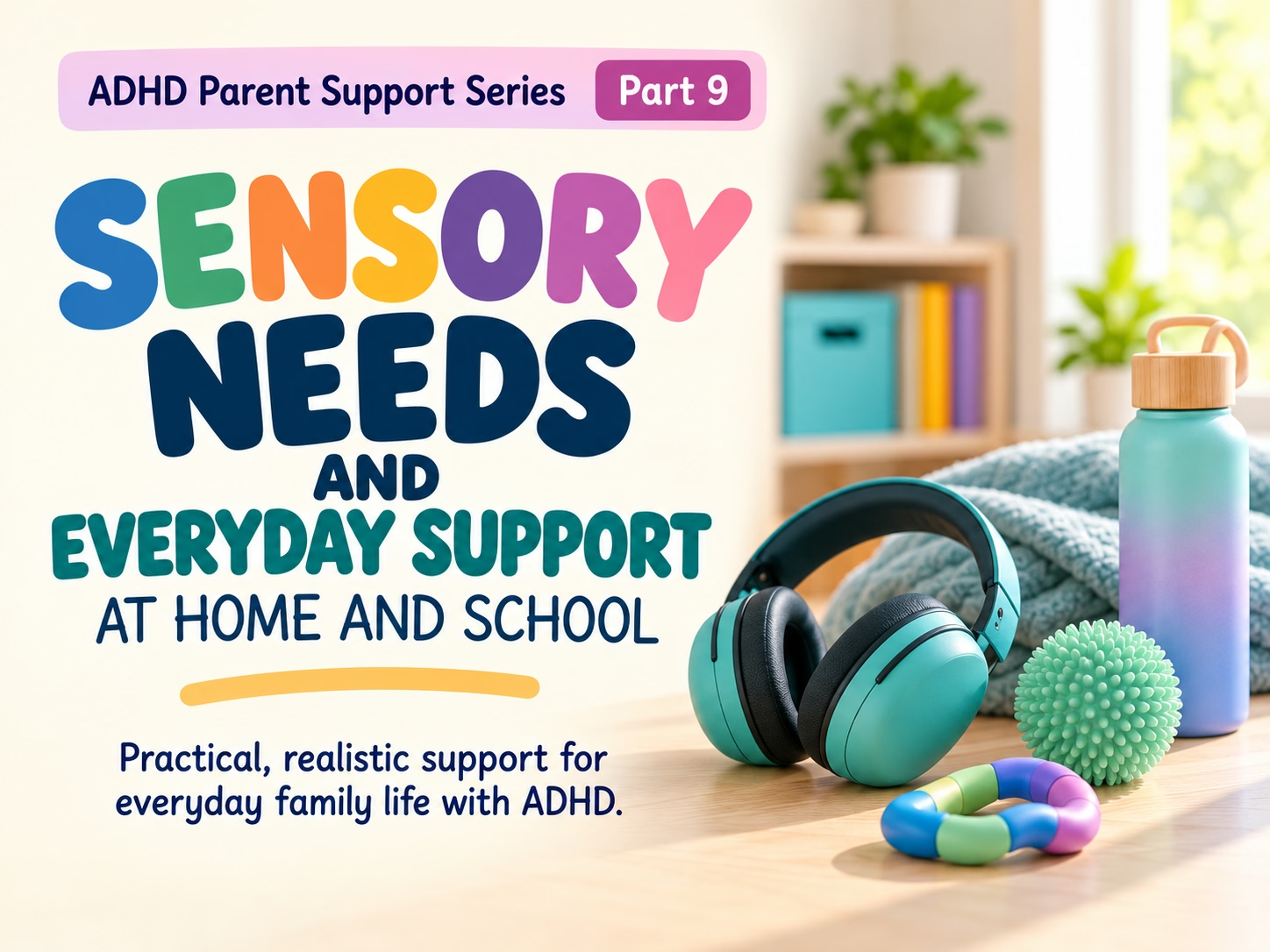
Sensory Needs and Everyday Support at Home and School
Explore how sensory differences affect children with ADHD at home and school. Understand sensory overload, movement, sound, touch and individual preferences, while discovering practical adjustments, supportive strategies and a personalised Sensory Support Map to help children feel comfortable and understood.
Supporting Transitions and Changes in Routine
Explore practical ways to support children with ADHD through transitions and changes in routine. Understand why switching activities can feel overwhelming, and discover visual reminders, preparation strategies and gentle approaches to reduce anxiety, manage uncertainty and build confidence and independence.
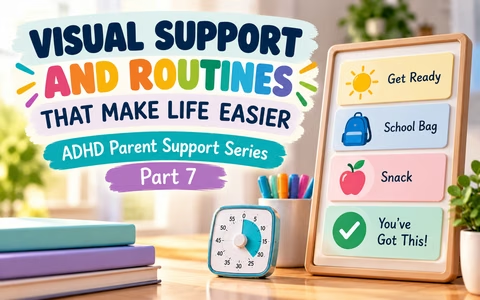
Visual Support and Routines That Make Life Easier
Explore how visual supports can make everyday routines easier for children with ADHD. Discover practical strategies using checklists, visual timers, first-then cards and simple reminders to support memory, transitions, independence and confidence while reducing overwhelm and repeated instructions at home.
AuDHD: Autism & ADHD Together - This section explores how coaching can support neurodivergent people to understand how their minds work and build on their natural strengths. It covers practical approaches to focus, organisation, communication and self-advocacy, helping you find strategies that fit the way you think rather than working against it.
AuDHD: Autism & ADHD Together
Understanding My Overlapping Experiences
Explore how Autism and ADHD overlap in your everyday experiences, understand your individual needs and create a personalised support profile to help communicate them to others.
Dyslexia - This section explores dyslexia as a difference in how the brain processes written language and information. It covers common challenges with reading, spelling, memory and processing speed, alongside the creative and big-picture thinking strengths many dyslexic people have, and practical ways to get the right support.
Dyslexia: Understanding My Experiences
Explore how dyslexia affects your everyday experiences through this interactive resource. Identify your individual strengths, challenges, needs and preferences. Reflect on helpful strategies and adjustments, then create a personalised support profile to communicate your needs confidently and encourage greater understanding.
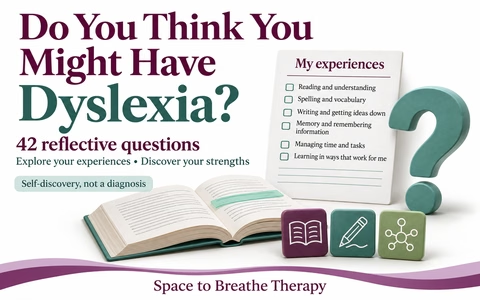
Do You Think You Might Have Dyslexia?
Explore your experiences with reading, writing, spelling and information processing through 42 interactive questions. Discover personal strengths, recognise challenges and reflect on everyday experiences. Gain greater self-awareness, explore helpful strategies and consider next steps. This self-discovery resource is not a diagnosis.
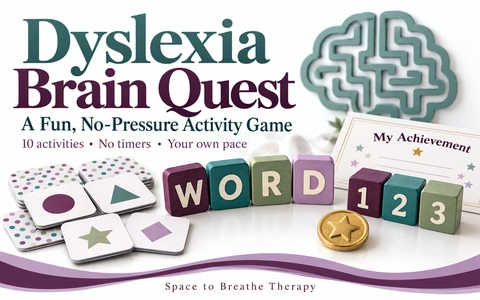
Dyslexia Brain Quest – A Fun, No-Pressure Activity Game
Enjoy 10 playful activities exploring words, sounds, patterns, memory and sequencing. Learn at your own pace without timers or pressure, building confidence through engaging challenges. Discover printable activities, encouraging rewards and a personalised certificate celebrating your achievements and individual progress.
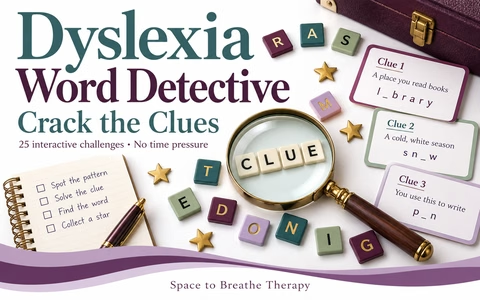
Dyslexia Word Detective – Crack the Clues
Become a word detective through 25 exciting interactive challenges! Solve clues, unscramble letters, explore spelling patterns and discover hidden words. Collect stars, use helpful hints and build confidence while developing literacy skills. Enjoy learning at your own pace, without time pressure.
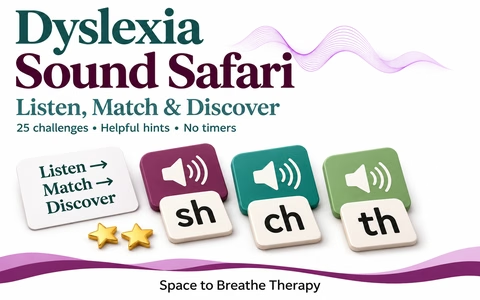
Dyslexia Sound Safari – Listen, Match & Discover
Become a word detective with 25 engaging interactive challenges! Solve clues, unscramble letters, recognise spelling patterns and uncover hidden words. Earn stars, discover helpful hints and strengthen reading and spelling confidence through playful activities, with no timers or unnecessary pressure.
Understanding Dyslexia
Become a word detective with 25 interactive challenges! Solve clues, unscramble letters, explore spelling patterns and uncover hidden words. Collect stars, receive helpful hints and develop reading and spelling skills through enjoyable activities designed for pressure-free learning at your own pace.
Dyslexia in Everyday Life
Explore how dyslexia affects everyday life beyond reading and writing. Discover its influence on spelling, memory, organisation, communication and daily routines. Understand often overlooked challenges, recognise individual strengths and explore practical strategies that encourage confidence, independence, accessibility and greater understanding.
Dyslexia at School & College
Explore 10 interactive learning areas covering reading, writing, exams, organisation and confidence. Discover practical strategies, identify helpful adjustments and reflect on your individual needs. Save your responses and create a personalised, printable Learning Support Plan to encourage independence and success.
Dyslexia at Work
Discover 10 interactive learning areas exploring reading, writing, exams, organisation and confidence. Identify your strengths, explore practical strategies and choose supportive adjustments. Record personal reflections and create a printable Learning Support Plan tailored to your individual needs and goals.
Dyslexia, Anxiety & Self-Esteem
Explore 10 interactive learning areas covering reading, writing, exams, organisation and confidence. Discover your strengths, identify challenges and explore practical strategies. Choose helpful adjustments, save your reflections and create a personalised, printable Learning Support Plan that reflects your individual needs.
Living Well With Dyslexia – Practical Strategies That Actually Help
Discover practical strategies for managing everyday life with dyslexia through 10 interactive learning areas. Explore reading, writing, memory, organisation and confidence. Identify personal challenges, recognise your strengths and create a personalised, printable support plan with helpful adjustments and strategies.
Dyslexia
Explore dyslexia and its relationship with neurodivergence, including its effects on learning, communication, memory and everyday experiences. Discover individual strengths, recognise common challenges and explore practical strategies that encourage greater understanding, confidence, accessibility and personalised support in daily life.
Life Skills & Independence - This section explores dyscalculia as a specific difference in how the brain understands numbers and mathematical concepts. It covers everyday challenges with maths, time, money and estimating, why it is often less recognised than other learning differences, and practical strategies and support that can make numbers feel more manageable.

Do You Think You Might Have Dyscalculia?
Explore whether dyscalculia may be affecting your everyday life through 42 interactive questions covering numbers, time, money, measurements and maths. Reflect on your experiences, recognise personal strengths, identify challenges and discover practical next steps. A supportive self-discovery resource, not a diagnosis.
The Everyday Maths Adventure – A Fun Dyscalculia-Friendly Game
Explore everyday maths through 45 interactive challenges covering shopping, money, time, cooking and measuring. Choose from three difficulty levels, discover helpful hints and earn medals as you progress. Develop practical skills, build confidence and enjoy learning at your own pace.
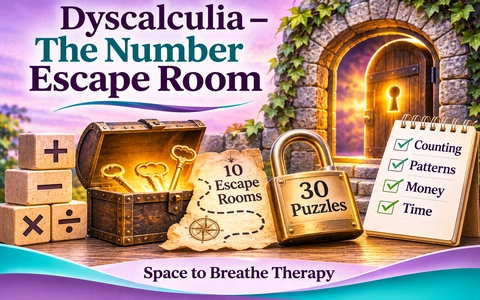
Dyscalculia – The Number Escape Room
Explore 10 exciting escape rooms featuring 30 interactive number puzzles. Practise counting, patterns, money and time while collecting golden keys and unlocking doors. Enjoy helpful hints, visual guidance and no time limits in this confidence-building dyscalculia adventure.
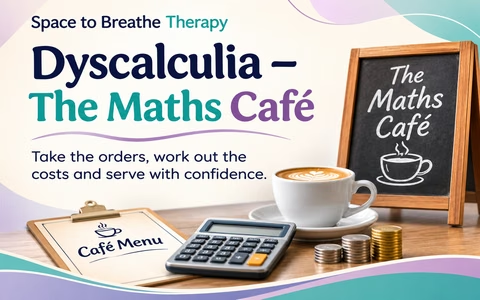
Dyscalculia – The Maths Café
Step inside The Maths Café and practise everyday money skills through ten interactive challenges. Take orders, calculate totals, explore change, compare offers and manage budgets. Use helpful hints, calculators and printable activities while building confidence at your own pace.
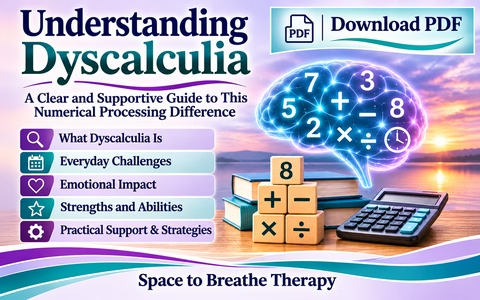
Understanding Dyscalculia
Explore dyscalculia through this detailed five-page visual guide. Understand numerical processing differences, everyday challenges, emotional experiences and individual strengths. Discover practical strategies, supportive adjustments and helpful approaches for home, education and work, with clear explanations designed to build understanding and confidence.

Dyscalculia in Everyday Life
Explore how dyscalculia affects everyday activities, including money, shopping, appointments, cooking, travel and household tasks. Discover practical strategies, accessible tools and supportive adjustments to reduce numerical stress, improve organisation and build confidence, accuracy and independence in daily life.
Dyscalculia at School & College
Explore dyscalculia at school and college through this detailed interactive booklet. Understand learning challenges, emotional wellbeing, classroom adjustments and assessment support. Discover practical strategies for students, teachers and families, with accessible guidance, helpful examples and reflections to build confidence.
Dyscalculia at Work
Explore how dyscalculia affects everyday working life, from managing rotas, deadlines and timesheets to handling money, spreadsheets and measurements. This four-page visual guide explains common workplace challenges, practical coping strategies, reasonable adjustments and ways to build confidence and independence.
Dyscalculia, Anxiety & Self-Esteem
Explore dyscalculia at school and college through this detailed interactive booklet. Understand learning challenges, emotional wellbeing, classroom adjustments and assessment support. Discover practical strategies for students, teachers and families, with accessible guidance, helpful examples and reflections to build confidence.

Living Well With Dyscalculia – Practical Strategies That Actually Help
Explore practical ways to live well with dyscalculia through this illustrated four-page PDF guide. Discover helpful strategies for money, time, appointments, travel, work and study, alongside visual diagrams, accessible tools and a personal strategy map to build everyday confidence.
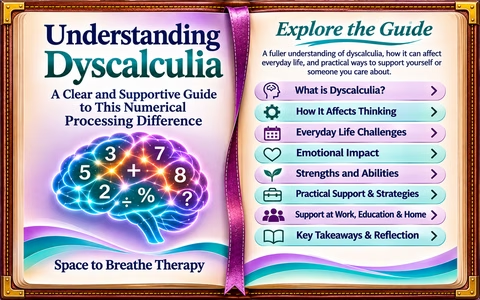
Understanding Dyscalculia
Explore dyscalculia through a beautifully illustrated, interactive book. Turn pages to understand numerical processing differences, everyday challenges, emotional experiences and individual strengths. Discover practical strategies, supportive adjustments and helpful tools, with personal reflections, bookmarks and accessible guidance throughout your journey.
Dyscalculia
Explore dyscalculia and its connection to neurodivergence through an engaging interactive flip book. Discover how numerical processing differences affect learning, everyday activities and confidence, while exploring common challenges, individual strengths, practical strategies and ways to develop greater understanding and awareness.
Life Skills & Independence - Developing practical life skills can help neurodivergent individuals build confidence and independence. This section explores areas such as organisation, daily routines, emotional regulation, and navigating everyday responsibilities in ways that support different ways of thinking and learning.
Dysgraphia
Explore dysgraphia and its connection to neurodivergence through this engaging interactive flip book. Turn each page to understand writing difficulties, motor coordination, processing differences and everyday challenges. Discover practical strategies, supportive adjustments and ways to build confidence, understanding and inclusion.
Dysgraphia Facts
Discover essential dysgraphia facts through this engaging interactive flip book. Turn each page to explore handwriting difficulties, written expression, motor coordination and common misconceptions. Build understanding, recognise individual strengths and discover practical adjustments that support confidence, accessibility and everyday inclusion.
Dyspraxia - Dyspraxia, also known as Developmental Coordination Disorder, affects motor skills, coordination, and sometimes planning or organisation. Everyday tasks like handwriting, balance, or spatial awareness can feel more effortful than they do for others. This section looks at how dyspraxia is experienced and the support that can help.
Dyspraxia: Understanding My Experiences
Explore how dyspraxia affects your everyday experiences through this interactive resource. Identify your individual strengths, challenges, needs and preferences. Reflect on helpful strategies and adjustments, then create a personalised support profile to communicate your needs confidently and encourage greater understanding.
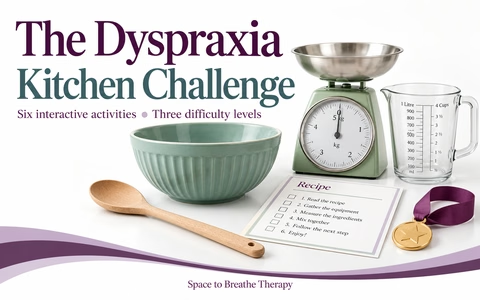
The Dyspraxia Kitchen Challenge
Build cooking skills and kitchen confidence through six engaging interactive activities. Explore recipes, measuring, equipment, safety and meal planning. Choose from three difficulty levels, follow helpful visual hints and earn medals while developing practical skills at your own comfortable pace.
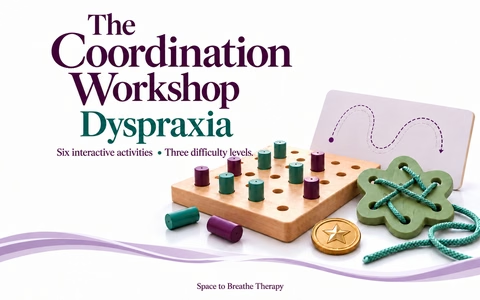
The Coordination Workshop – Dyspraxia
Discover six interactive activities exploring coordination, motor planning and everyday practical skills. Choose from three difficulty levels, use helpful visual hints and collect medals as you progress. Develop confidence, strengthen individual abilities and enjoy learning at your own comfortable pace.

Dyspraxia Everyday Skills Adventure
Discover interactive activities exploring everyday skills, coordination, sequencing, planning and daily routines. Choose from three difficulty levels, follow helpful hints and collect medals as you progress. Build confidence, strengthen practical abilities and develop greater independence while learning at your pace.
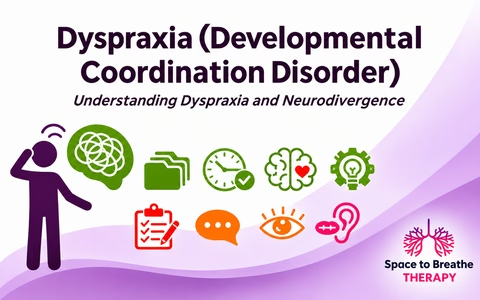
Dyspraxia (Developmental Coordination Disorder)
Explore dyspraxia and its connection to neurodivergence through this engaging interactive flip book. Turn each page to understand coordination, motor planning, sensory differences and everyday challenges. Discover individual strengths, practical strategies and supportive adjustments that encourage confidence, understanding and inclusion.
Dyspraxia Facts
Discover essential dyspraxia facts through this engaging interactive flip book. Turn each page to explore coordination, motor planning, sensory differences and everyday challenges. Challenge common misconceptions, recognise individual strengths and discover practical adjustments that encourage confidence, understanding and inclusion.
Tourette Syndrome - Tourette Syndrome is a neurological condition involving involuntary movements or sounds known as tics. These can range from mild and barely noticeable to more pronounced, and often fluctuate in frequency and intensity over time. This section explores what tics are, how they're experienced, and what support and understanding can look like.

TIC ATTACKS
Explore tic attacks through an engaging, interactive resource featuring moving metal balls. Understand triggers, build-up, involuntary movements and recovery, while discovering practical coping strategies, emotional support and helpful guidance for individuals, families and professionals navigating Tourette Syndrome and tic attacks.
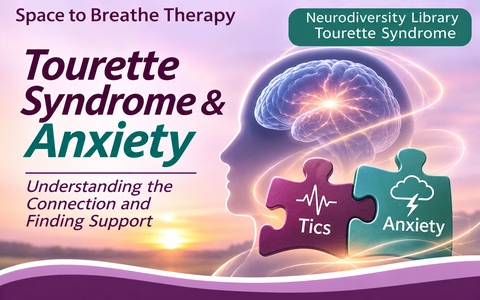
Tourette Syndrome & Anxiety
Explore the connection between Tourette Syndrome and anxiety through detailed guidance, realistic interactive activities and personal reflections. Understand how anxiety influences tics, recognise triggers, discover practical coping strategies and develop a personalised support plan to improve confidence and emotional wellbeing.

Tourette Syndrome & Sensory Overload
Explore the connection between Tourette Syndrome and sensory overload through this engaging interactive resource. Understand how sounds, lights, touch and busy environments affect wellbeing. Discover practical coping strategies, interactive sensory activities, personal reflections and ways to create supportive, accessible environments.

When Tics Increase
Explore why tics can increase and how stress, excitement, tiredness and sensory overload may influence them. This interactive resource offers practical explanations, realistic scenarios, personal reflections and supportive strategies to help recognise patterns, reduce pressure and navigate difficult periods confidently.
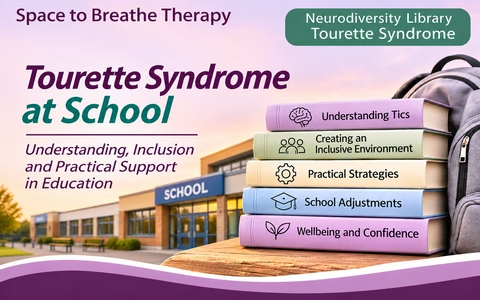
Tourette Syndrome at School
Explore Tourette Syndrome at school through interactive books, practical guidance and real-life scenarios. Discover classroom adjustments, strategies for managing tics, emotional wellbeing and inclusion. Includes helpful information for pupils, teachers and families, alongside a personalised downloadable school support plan.
Supporting Someone During Difficult Tics
Discover how to support someone experiencing difficult tics through this compassionate, interactive resource. Explore practical responses, communication, safety and emotional reassurance. Work through realistic situations, reflect on individual needs and create a personalised support plan that encourages understanding, dignity and acceptance.

The Premonitory Urge
Explore the premonitory urge associated with Tourette Syndrome through an engaging interactive resource. Understand the sensations that occur before tics, how urges build, and the challenges of suppression. Discover practical strategies, real-life scenarios, personal reflections and supportive approaches to managing discomfort.
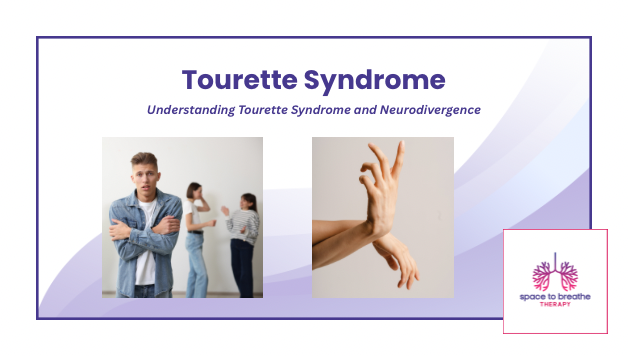
Tourette Syndrome
Explore Tourette Syndrome and its connection to neurodivergence through an engaging interactive flip book. Turn the pages to understand tics, neurological differences, sensory experiences and everyday challenges. Discover how greater awareness, acceptance and personalised support can encourage understanding and inclusion.

Tourette Syndrome Facts
Discover essential Tourette Syndrome facts through an engaging interactive flip book. Turn each page to explore tics, common misconceptions, everyday experiences and practical support. Build understanding, challenge stereotypes and learn how awareness, acceptance and compassion can make a difference.
Sensory & Nervous System - Many neurodivergent individuals experience the world through heightened or reduced sensory sensitivity. Sounds, lights, textures, smells, or busy environments can affect how comfortable or overwhelmed someone feels. This section explores sensory processing and the role of the nervous system in shaping these experiences.
Sensory Needs & the Nervous System

ADHD Perfectionism – Books That Can Help
Explore six carefully selected books to help understand ADHD perfectionism, overthinking, fear of mistakes and self-criticism. This interactive reading guide explains what each book offers, who may benefit and practical ideas to try, encouraging greater flexibility, confidence and self-compassion.
Sensory Needs & the Nervous System
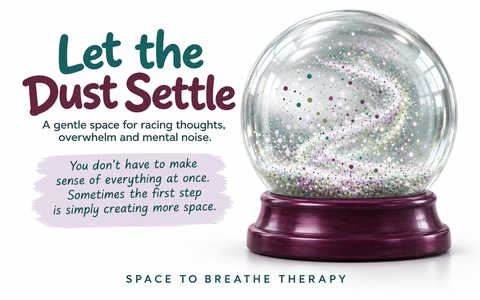
Let the Dust Settle
A calming interactive globe for busy minds and racing thoughts. Watch thoughts swirl, gently slow their movement, decide what needs attention and what can wait, and save your reflections for another day. Create space to pause at your own pace.
Sensory Needs & the Nervous System
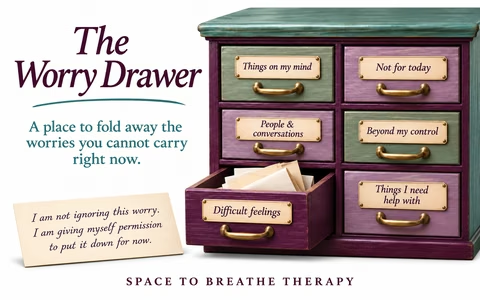
The Worry Drawer
The Worry Drawer is a gentle interactive emotional first-aid tool where you can write down worries, fold them into paper notes and place them inside a realistic wooden cabinet. Return to your worries when you feel ready, explore what is within your control and decide what needs attention, support or more time.
Sensory Needs & the Nervous System
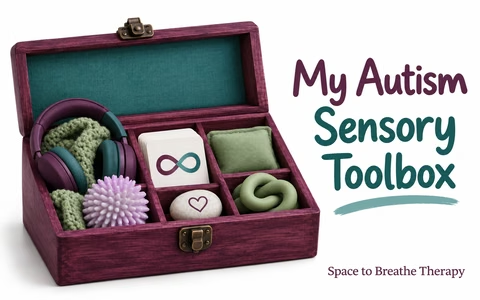
My Autism Sensory Toolbox
Explore an interactive sensory toolbox with visual communication cards, calming activities and personalised strategies to support sensory overload, shutdowns and everyday challenges. Create, save and print your own visual cards and sensory support plan tailored to your individual sensory needs.
Sensory Needs & the Nervous System
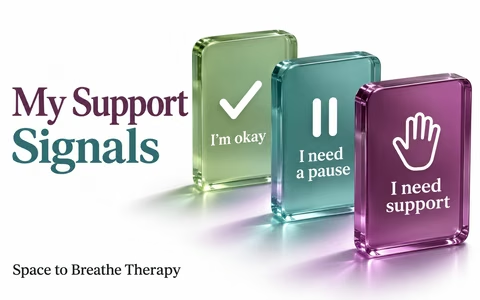
My Support Signals
Communicate your needs clearly through three personalised support cards. Choose a signal, edit its meaning and explain what helps or feels unhelpful. Practise everyday situations, save your preferences and print cards or an agreement to share with people you trust.
Sensory Needs & the Nervous System
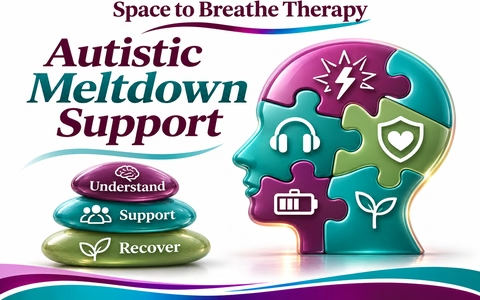
Autistic Meltdown Support
Autistic Meltdown Support explores how sensory overload, emotional distress and overwhelming demands can contribute to meltdowns. This interactive resource offers practical guidance for recognising early signs, responding safely, respecting communication needs and creating personalised support and recovery plans without judgement.
Sensory Needs & the Nervous System
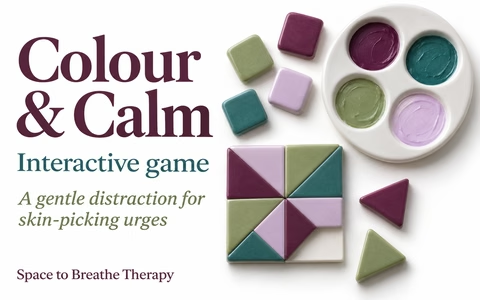
Colour & Calm Interactive game- A gentle distraction for skin-picking urges
Enjoy gentle colour play as a different focus during skin-picking urges. This interactive game invites simple creative choices at your own pace, offering a moment to pause, redirect attention and keep your hands occupied without judgement or pressure to perform.
Sensory Needs & the Nervous System
A Trip to the Shops, My Way: A Friendly, Flexible Guide
Plan a shopping trip your way with a friendly interactive guide for children and trusted grown-ups. Prepare a list, choose sensory supports, practise shopping and create communication cards. Save your choices and print a flexible plan with room for breaks.
Sensory Needs & the Nervous System
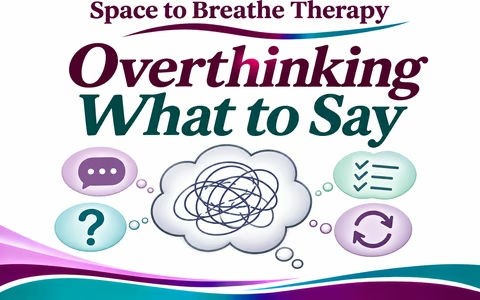
Overthinking What to Say
Overthinking What to Say explores why conversations can feel overwhelming, from rehearsing responses to replaying interactions afterwards. This interactive book offers relatable examples, practical communication strategies, thought-unravelling activities and personalised tools to reduce anxiety, build confidence and encourage self-understanding.
Sensory Needs & the Nervous System
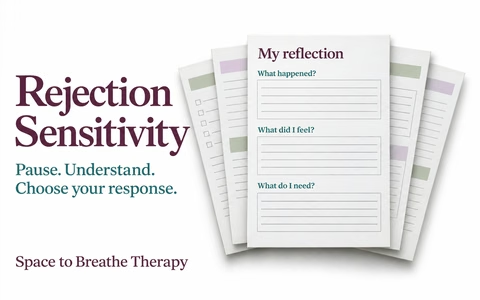
Rejection Sensitivity
Understand rejection sensitivity through a guided interactive worksheet. Separate observations from interpretations, acknowledge feelings, identify needs and consider boundaries. Use worked examples and response templates, save your reflections and print a personal summary to support more thoughtful, compassionate next steps.
Sensory Needs & the Nervous System
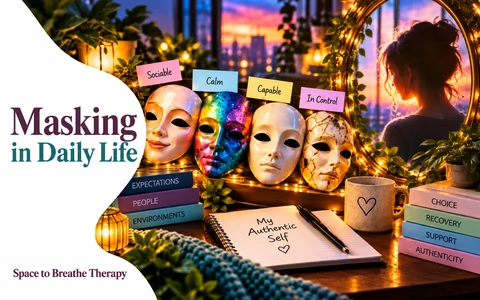
Masking in Daily Life
Explore the hidden experience of masking in autism and ADHD through this colourful interactive guide. Discover everyday masking behaviours, understand emotional and physical exhaustion, complete reflective activities, explore energy levels and develop personalised strategies for recovery, self-awareness and authenticity.
Sensory Needs & the Nervous System

ADHD, Food, Eating and Mealtimes
ADHD, Food, Eating and Mealtimes explores how attention, sensory preferences, executive dysfunction and hunger awareness affect everyday eating. This interactive book offers relatable explanations, practical strategies, personalised activities and gentle planning tools to make meals more manageable and less overwhelming.
Relationships & Belonging - Feeling understood and accepted by others plays an important role in emotional wellbeing. Neurodivergent individuals may sometimes experience challenges in social communication or connection, but meaningful relationships and a sense of belonging remain deeply important.
Communication & Relationships
Small Changes, Big Difference
Discover how small changes can make a meaningful difference to everyday communication and relationships. This interactive scratch-card experience reveals practical strategies, encourages reflection, explores different perspectives and helps you reduce misunderstandings, manage emotional overload and build stronger, healthier connections.
Communication & Relationships
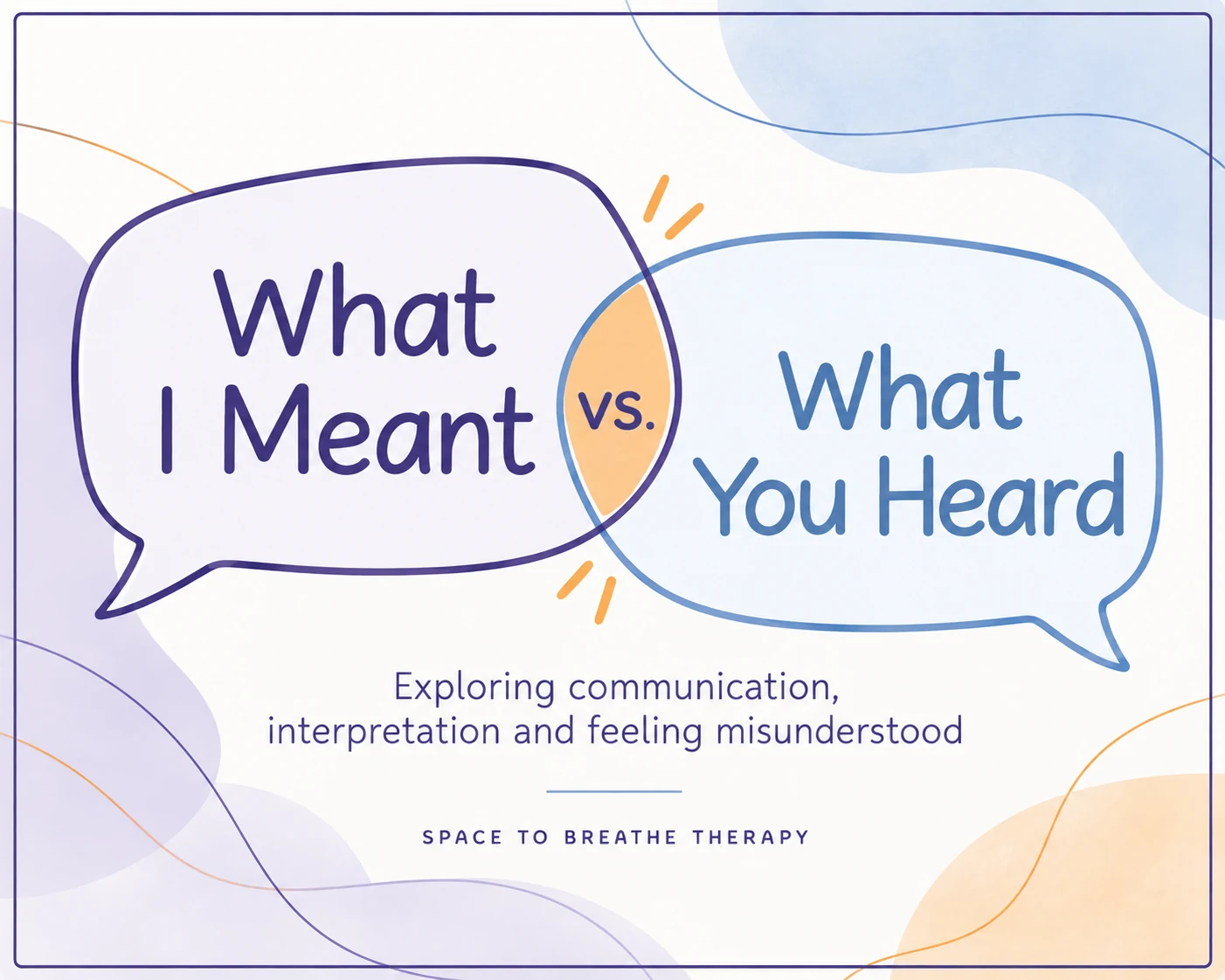
What I Meant Vs What You Heard
Explore how what we mean and what others hear can be very different. Through interactive examples, discover how neurodivergent communication styles, emotions and assumptions influence understanding. Reflect on misunderstandings, practise clearer conversations and develop greater empathy, connection and mutual understanding.
Communication & Relationships

When One Person Needs Space and the Other Needs Reassurance
Explore why one person may need space while another seeks reassurance during emotional difficulties. This interactive resource helps you understand different perspectives, recognise communication patterns, express individual needs, reduce misunderstandings and develop practical ways to reconnect with greater understanding. avif
Communication & Relationships
When Communication Breaks Down
Explore why communication breaks down, particularly when neurodivergent differences, sensory overload and emotional overwhelm affect understanding. Through interactive activities, visual diagrams and reflective exercises, recognise misunderstandings, identify triggers and discover practical strategies to rebuild connection, improve communication and strengthen relationships.
Communication & Relationships

Relationship Stress
Explore how communication differences, emotional overload and unmet needs can create relationship stress. This interactive resource helps you recognise recurring patterns, understand misunderstandings, reflect on emotional triggers and discover practical ways to strengthen communication, establish boundaries and rebuild connection.
Communication & Relationships
Feeling Unheard in a Relationship
Explore how feeling unheard can affect relationships, particularly when neurodivergent communication differences create misunderstandings. Through interactive activities, visual diagrams and reflective exercises, understand emotional needs, recognise communication barriers and discover practical strategies to strengthen connection, encourage listening and rebuild understanding.
Communication & Relationships

Caring Responsibilities
Explore the challenges of balancing caring responsibilities, work, personal needs and emotional wellbeing. This interactive resource offers practical strategies, meaningful reflections and supportive guidance to help you recognise pressures, establish boundaries, share responsibilities and protect your own health and wellbeing.
Communication & Relationships
Different Communication Styles
Explore different communication styles and how neurodivergent experiences influence conversations, relationships and understanding. Through interactive activities, visual diagrams and reflective exercises, discover direct and indirect communication, processing differences and sensory needs. Develop practical strategies to strengthen connection, empathy and communication.
Communication & Relationships
ARE THEY ANGRY?Different perspectives. Different meanings.
Explore how easily we can misinterpret someone’s words, tone or behaviour. This interactive scratch-card experience reveals alternative perspectives, helping you challenge assumptions, understand communication differences, recognise emotional triggers and develop more thoughtful, compassionate responses in everyday relationships and conversations.
Communication & Relationships

What Do They Really Mean?
Discover how everyday words, expressions and behaviours can carry different meanings. This interactive scratch-card experience encourages curiosity, challenges assumptions and explores communication differences, helping you recognise misunderstandings, consider alternative perspectives and build greater understanding, empathy and connection in your relationships.
Communication & Relationships
Feeling Judged
Explore why everyday comments can sometimes feel critical or judgemental, even when intentions differ. These interactive flip cards help you compare what someone says with what you hear, explore alternative meanings, recognise emotional triggers and develop more confident communication skills.
Communication & Relationships

People-Pleasing – What's Below the Iceberg?
Explore what lies beneath people-pleasing through an immersive interactive iceberg experience. Discover how masking, rejection sensitivity, fear of conflict and emotional needs influence behaviour. Reflect on hidden pressures, recognise personal patterns, practise healthy boundaries and develop greater self-understanding and confidence.
Parenting & Families - Families play an important role in supporting neurodivergent children and adults. Parenting within a neurodiverse family can bring both unique joys and challenges. This page explores supportive approaches, understanding differences, and creating environments where everyone can thrive.
My EHCP, My Voice
An interactive guide for young people exploring EHCPs. Move through eight sections to understand plans, share your views, identify strengths and support needs, prepare for meetings, set goals, and check what is working, with knowledge checks and space to reflect.

Two Little Girls, Two Different Worlds
A beautifully illustrated, interactive children's story about two little girls who experience the world differently
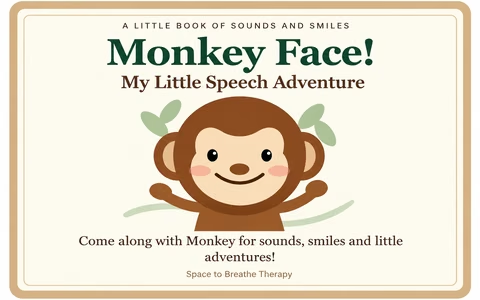
Monkey Face! My Little Speech Adventure
playful, interactive storybook helping children explore speech sounds through rhymes, monkey faces and fun activities.
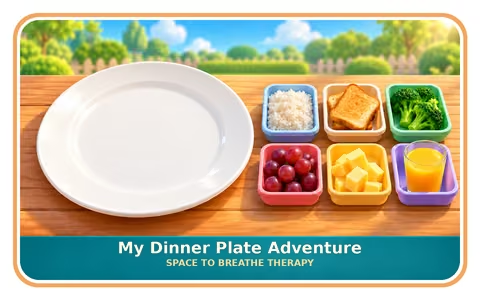
My Dinner Plate Adventure
An interactive weekly food and support diary where you can build your own plate, explore food choices and record what makes mealtimes easier. Includes personalised support notes, automatic saving and printable weekly plans, all without pressure around eating.
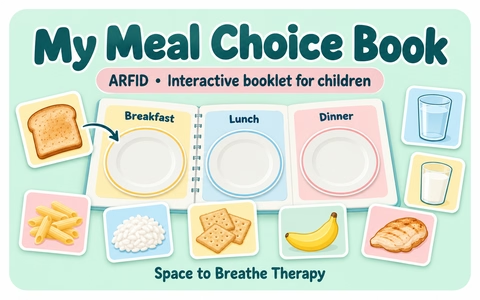
My Meal Choice Book ARFID • Interactive booklet for children

A Place for Me -Interactive ARFID Storybook
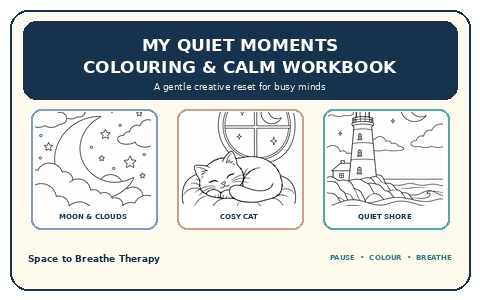
My Quiet Moments Colouring & Calm Workbook
Discover a peaceful collection of colouring pages and gentle activities designed to encourage relaxation and creativity. Explore soothing patterns, express yourself through colour and enjoy quiet moments without pressure, supporting mindfulness, emotional wellbeing and a sense of calm.
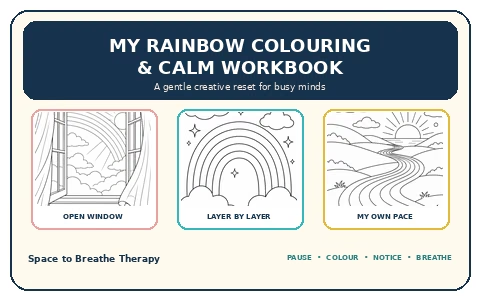
My Rainbow Colouring & Calm Workbook
Explore a colourful collection of rainbow-inspired colouring pages and calming activities. Choose your favourite shades, express your creativity and enjoy peaceful moments at your own pace. A gentle, pressure-free workbook encouraging relaxation, mindfulness, emotional expression and positive wellbeing.

RSD: When Rejection Hurts – A Child-Friendly Guide
Explore rejection sensitivity through a colourful, interactive guide and downloadable PDF workbook. Children can discover their emotional triggers, practise calming strategies, express difficult feelings and build personalised support plans through engaging activities, gentle reflections and practical tools for everyday life.
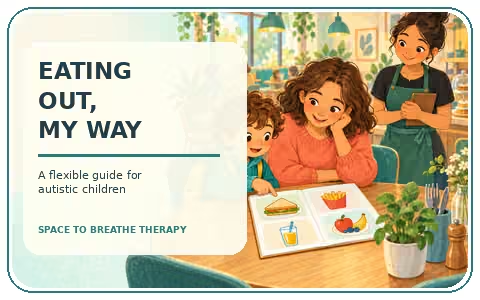
EATING OUT, MY WAY: A FRIENDLY, FLEXIBLE GUIDE
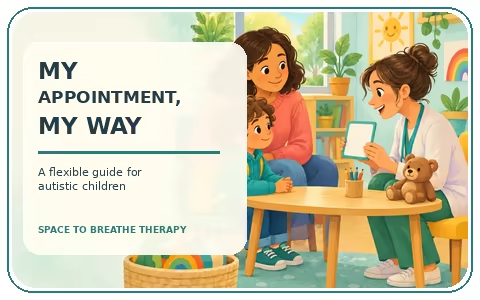
MY APPOINTMENT, MY WAY: A FRIENDLY, FLEXIBLE GUIDE

THE FOOD I COULD NOT SIMPLY EAT
Life Skills & Independence - Developing practical life skills can help neurodivergent individuals build confidence and independence. This section explores areas such as organisation, daily routines, emotional regulation, and navigating everyday responsibilities in ways that support different ways of thinking and learning.
Life Skills & Independence

The Letter I Never Sent
A gentle interactive space to express words left unsaid, whether in personal relationships or disability-related workplace experiences. Explore emotions, unmet needs and boundaries through private letter writing, with grounding exercises, reflections and downloadable worksheets.
Life Skills & Independence

CONVENIENCE FOODS ARE STILL FOOD
Life Skills & Independence
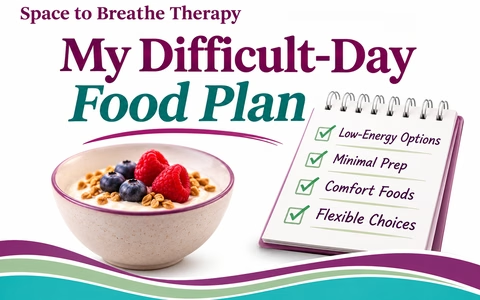
My Difficult-Day Food Plan
Create your own flexible food plan for difficult days. Explore low-energy options, sensory preferences, comfort foods and minimal-preparation ideas. This gentle interactive helps reduce decision fatigue, identify manageable choices and build a personalised plan without pressure, judgement or overwhelming expectations
Life Skills & Independence
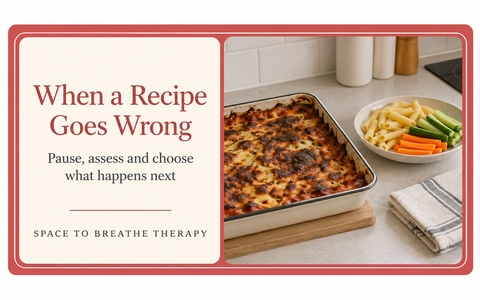
WHEN A RECIPE GOES WRONG
Life Skills & Independence

Food Hygiene Without Fear
Food Hygiene Without Fear helps you understand everyday food safety without unnecessary worry. Explore practical guidance on cleaning, cooking, storage, cross-contamination and date labels. This interactive book offers reassuring explanations, simple routines and strategies to make food preparation feel manageable.
Life Skills & Independence
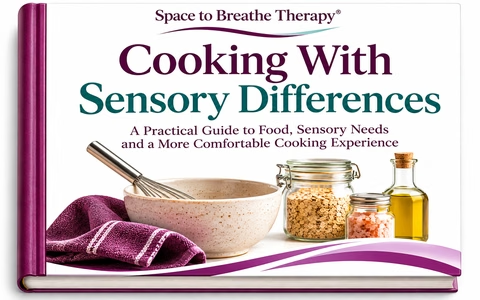
Cooking With Sensory Differences
Explore how sensory differences can affect cooking, from food textures and smells to noise, lighting and kitchen overwhelm. This interactive book offers practical adjustments, real-life examples and gentle strategies to make preparing food more comfortable, manageable and accessible.
Life Skills & Independence

SHOPPING WITHOUT THE OVERWHELM
Life Skills & Independence
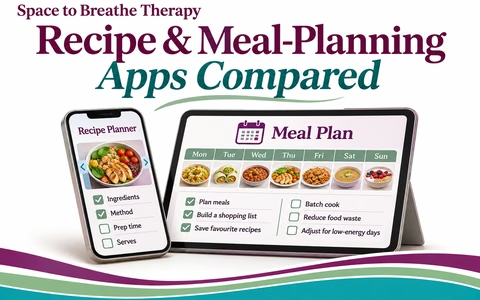
Recipe & Meal-Planning Apps Compared
Explore six recipe and meal-planning apps to discover which best supports your needs. Compare features, accessibility, costs and practical benefits. Filter options, save favourites and create a personalised checklist to reduce decision fatigue and make everyday meal planning easier.
Life Skills & Independence
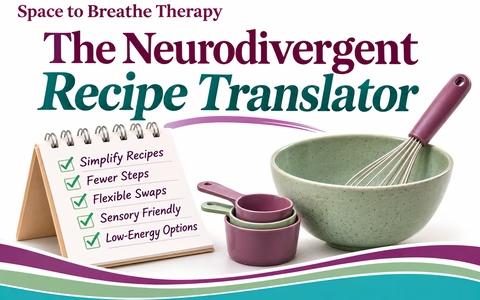
The Neurodivergent Recipe Translator
Turn confusing recipes into clear, manageable steps with this interactive tool. Simplify instructions, understand cooking terms, explore sensory-friendly adaptations and reduce preparation demands. Create personalised recipes that support executive functioning, confidence and independence, making cooking more accessible and less overwhelming.
Life Skills & Independence
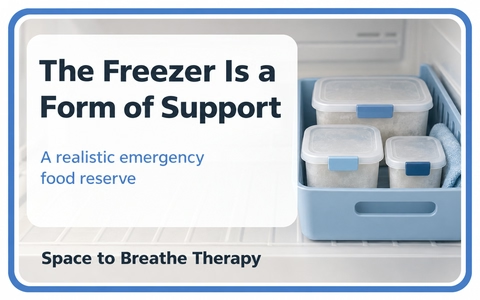
THE FREEZER IS A FORM OF SUPPORT
Life Skills & Independence
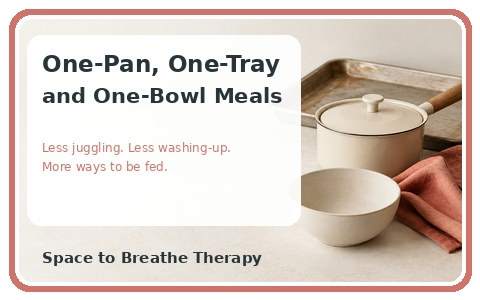
ONE-PAN, ONE-TRAY AND ONE-BOWL MEALS
Life Skills & Independence

Microwave Meals Made Simple
Discover eight simple microwave meal ideas designed for low-energy days. Follow clear, manageable instructions, explore sensory-friendly adaptations and create personalised meal plans. Reduce preparation demands, build confidence and learn practical microwave safety tips while making everyday eating feel more achievable.
Fun Facts & Myth Busting - Neurodiversity also highlights many strengths, talents, and fascinating aspects of how different minds work. This page shares interesting insights, strengths often associated with neurodivergent thinking, and positive perspectives on brain diversity.
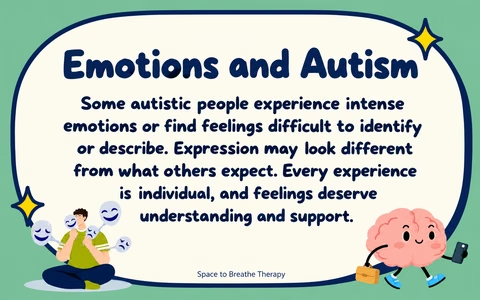
Emotions and Autism
Understand emotions and autism through interactive prompts and gentle reflection. Consider feelings that are intense, difficult to name or expressed differently. Identify personal needs, choose comfortable ways to communicate and download your reflections, without pressure to find the perfect words.
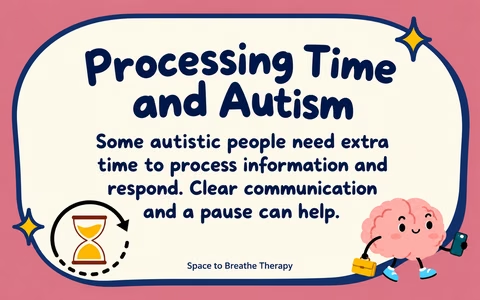
Processing Time and Autism
40 words Understand processing time in autism through interactive choices and gentle reflection. Identify situations where extra time helps, consider clearer communication and create a downloadable plan to express preferences, request pauses and support understanding without pressure to give an immediate response.
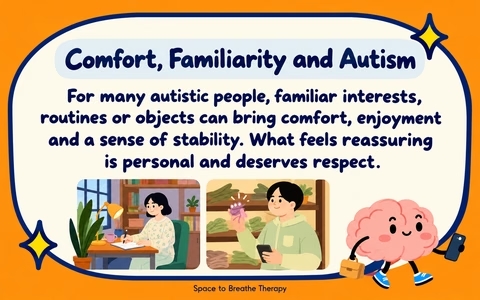
Comfort, Familiarity and Autism
Explore comfort, familiarity and autism through gentle reflections, interactive perspectives and practical support ideas. Identify meaningful interests, routines and objects, consider what helps when things change, and create a downloadable comfort map to communicate your preferences, needs and personal boundaries.
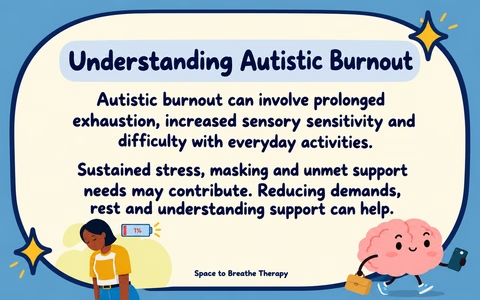
Understanding Autistic Burnout
Explore autistic burnout through gentle prompts, practical support choices and personal reflection. Notice changes in energy, sensory tolerance and everyday activities, consider ways to reduce demands, and create a downloadable support note to communicate your needs at your own pace.
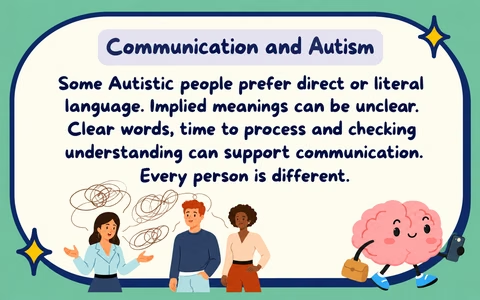
Communication and Autism
Understand communication and autism through interactive choices and personal reflection. Consider direct language, literal meanings, processing time and different ways to respond. Identify helpful adjustments, clarify misunderstandings and download your communication preferences to support clearer, more respectful conversations with others.
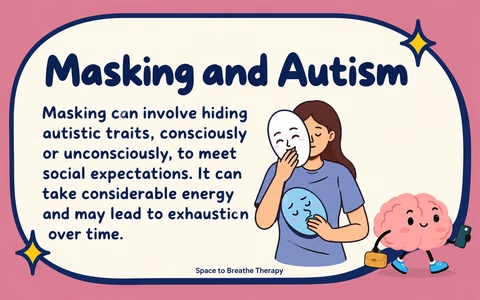
Masking and Autism
Understand masking and autism through interactive examples and gentle reflection. Notice the effort involved in hiding traits, recognise your need for recovery and consider supportive adjustments. Create a downloadable reflection that respects your choices, personal boundaries, safety and individual pace
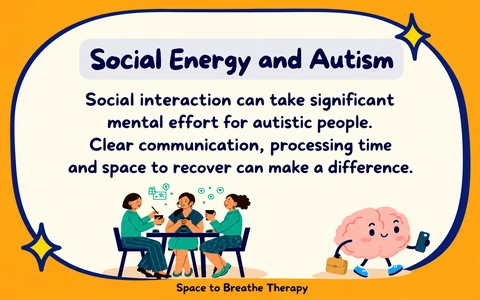
Social Energy and Autism
Understand the mental effort social interaction can involve for autistic people. Identify communication preferences, sensory demands and signs of tiredness through gentle prompts. Create a downloadable personal plan for clearer conversations, comfortable boundaries, supportive adjustments and recovery time that suits you.
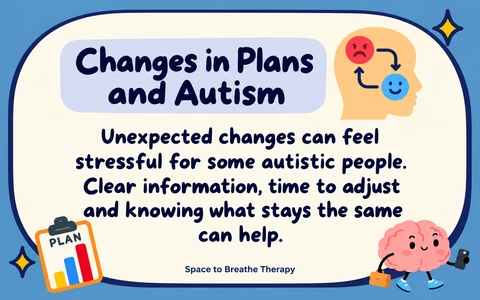
Changes in Plans and Autism
Explore how unexpected changes can feel through everyday situations, practical support choices and personal reflection. Identify what changed, what remains dependable and what could help, then create a downloadable change map with questions, helpful phrases and a manageable next step.
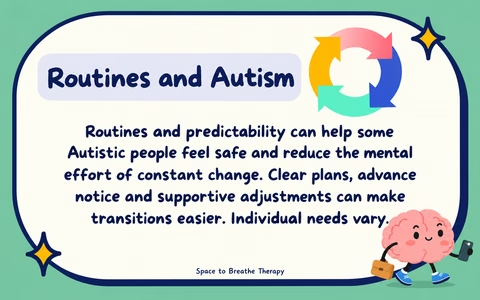
Routines and Autism
Understand how routines and predictability can support Autistic people through interactive choices and guided reflection. Identify comforting routines, prepare for changes and consider helpful adjustments. Create a downloadable plan that respects individual needs and makes everyday transitions feel more manageable.
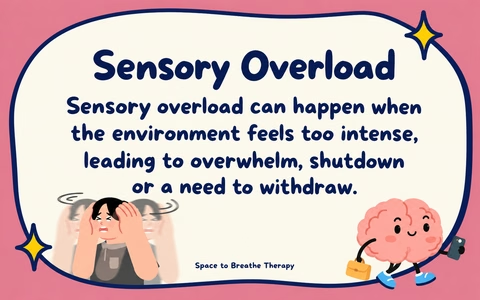
Sensory Overload
Explore sensory overload through gentle interactive choices, practical adjustments and personal reflection. Identify what feels demanding, notice early signs and build a simple support plan, with helpful phrases and space to write, download and keep your own reflections for later.
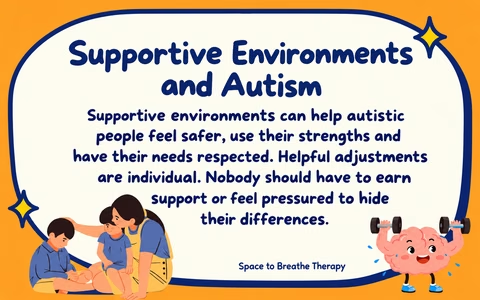
Supportive Environments and Autism
Consider how supportive environments can respect autistic needs through interactive choices and personal reflection. Identify helpful changes to sensory surroundings, communication, predictability and rest. Create a downloadable plan that values individual preferences, recognises strengths and supports participation without pressure to mask.
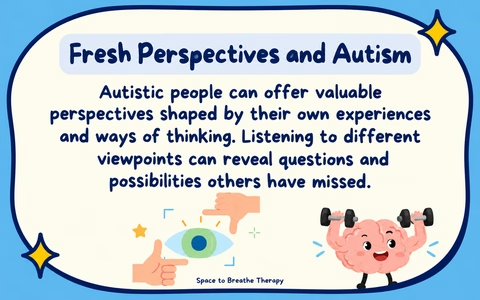
Fresh Perspectives and Autism
Explore fresh perspectives through everyday situations, creative prompts and personal reflection. Question assumptions, notice barriers and consider different viewpoints, then create a downloadable reflection page with space to capture observations, invite other voices and choose a thoughtful next step forward.
Games & Interactive Activities - This section offers games, puzzles and hands-on activities designed with different minds in mind. They can be a fun way to explore neurodiversity, support focus and regulation, or simply give your brain a rewarding break in a way that suits how you think.
Games & Interactive Activities

My Water Tracker
Log water and other drinks throughout the day using quick amounts or your own measurements. Set a daily target that suits you, review your recent intake, and download your log whenever you need it. Your entries stay saved on your device, with no streaks or pressure.
Games & Interactive Activities
Am I Experiencing Burnout?
Explore how emotional exhaustion, mental fatigue and everyday pressures may affect your wellbeing through this interactive self-reflection quiz. Discover personalised insights, recognise signs of overwhelm and explore practical strategies to manage your energy, reduce stress and support emotional balance.
Games & Interactive Activities
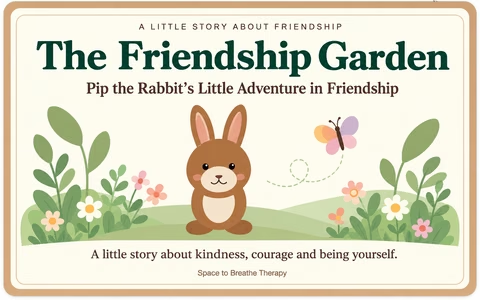
The Friendship Garden
A little story about kindness, courage and being yourself.
Games & Interactive Activities

Light Up! – The Circuit Challenge
An exciting, interactive puzzle game where you connect circuits, solve challenges and light up the board. Explore increasingly tricky levels, develop logical thinking, problem-solving and spatial reasoning skills, and enjoy the satisfaction of completing each circuit through creative experimentation and discovery.
Games & Interactive Activities

Moonlit Fox Interactive Diamond Art
Create a calming moonlit scene with this gentle gem-art activity, featuring a little fox resting beneath sparkling stars. Add each gem to bring the picture to life, encouraging focus, relaxation, creativity and a soothing sense of accomplishment as you go.
Games & Interactive Activities
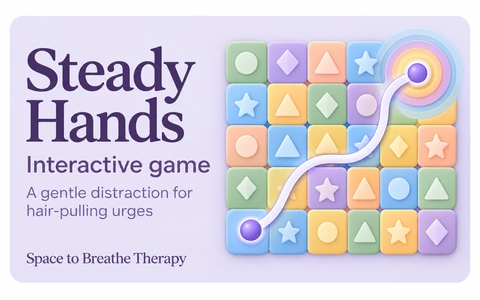
Steady Hands Interactive game- A gentle distraction for hair-pulling urges
A gentle, interactive distraction designed to help manage hair-pulling urges. Explore calming activities that keep your hands engaged, redirect attention and encourage sensory regulation. Move at your own pace, practise awareness and discover soothing alternatives without pressure or judgement.
Games & Interactive Activities

Jewel Wings-The interactive diamond art game
Discover a sparkling world of colour and creativity with Jewel Wings. Place shimmering diamonds to reveal beautiful wings, enjoy gentle, satisfying interactions and watch your artwork come alive. A relaxing, pressure-free activity encouraging focus, imagination, mindfulness and moments of calm.
Games & Interactive Activities

Owl -The interactive diamond art game
Enter a magical world of sparkling creativity with Owl. Place colourful diamonds to reveal a beautiful, shimmering owl beneath the moonlight. Enjoy a calming, pressure-free experience that encourages concentration, creativity, mindfulness and relaxation while bringing your artwork to life.
Games & Interactive Activities
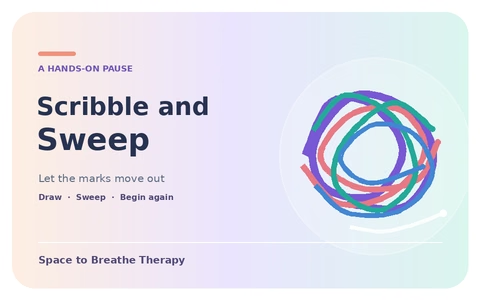
Scribble and Sweep- Let the marks move out
An interactive creative activity inviting you to scribble freely using your finger, mouse or trackpad. Explore colours, shapes and movement without rules or expectations, then gently sweep your marks away. A calming, pressure-free space for expression, relaxation and emotional release.
Downloads & Worksheets - This section offers printable worksheets, guides and practical tools to support neurodivergent people and those around them. They can help with planning, managing routines, understanding your own needs and strengths, and putting helpful strategies into practice at home, school or work.
Reasonable Adjustments in Healthcare
Understanding Accessible Care and the NHS Reasonable Adjustment Digital Flag
LeDeR
Learning from Lives and Deaths
The Oliver McGowan Mandatory Training
Learning Disability and Autism Training in Health and Social Care
Hospital / Health Passport
Preparing Information for Safer Healthcare
STAMP
Supporting Treatment and Appropriate Medication in Paediatrics
STOMP
Understanding Medication Reviews and Safer Prescribing

MOOD DIARY — WITH PICTURE CUES
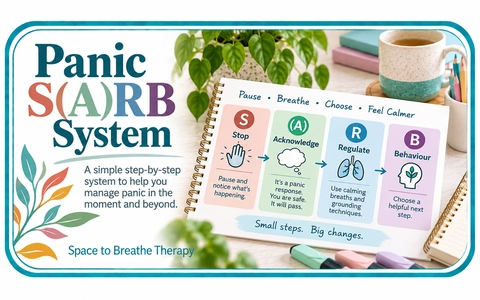
PANIC S(A)RB SYSTEM
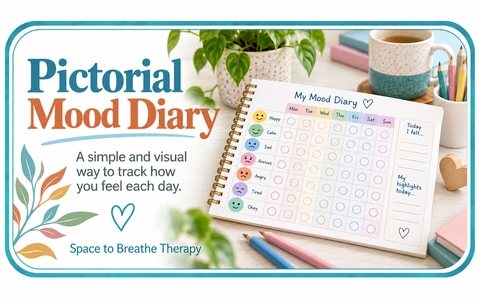
PICTORIAL MOOD DIARY
MY SMART GOAL PLAN
TOPP REFLECTIVE WORKSHEET
POCKET SAFETY PLAN CARDS
Coaching - This section explores how coaching can support neurodivergent people to understand how their minds work and build on their natural strengths. It covers practical approaches to focus, organisation, communication and self-advocacy, helping you find strategies that fit the way you think rather than working against it.

SELF-HARM - A GUIDE FOR FAMILY & LOVED ONES
DEPERSONALISATION & DEREALISATION - A GUIDE FOR FAMILY & LOVED ONES
ARFID - A GUIDE FOR FAMILY & LOVED ONES
ANXIETY DISORDERS - A GUIDE FOR FAMILY & LOVED ONES
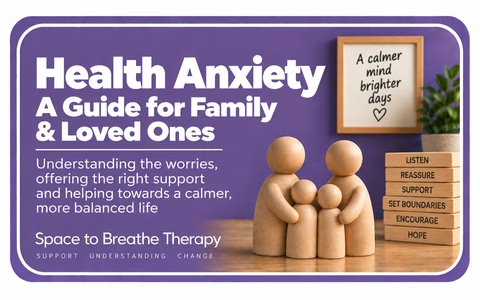
HEALTH ANXIETY - A GUIDE FOR FAMILY & LOVED ONES
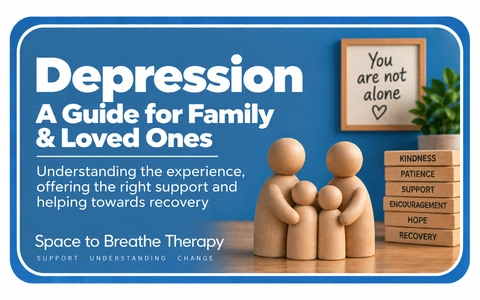
DEPRESSION - A GUIDE FOR FAMILY & LOVED ONES
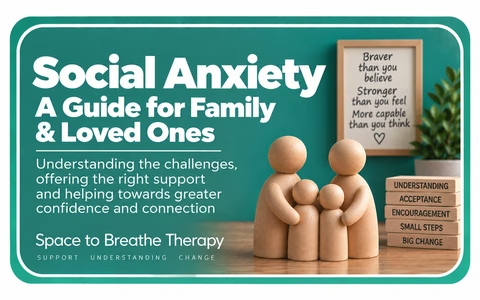
SOCIAL ANXIETY - A GUIDE FOR FAMILY & LOVED ONES
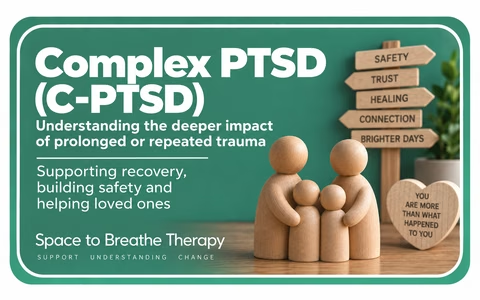
COMPLEX PTSD (C-PTSD) - A GUIDE FOR FAMILY & LOVED ONES
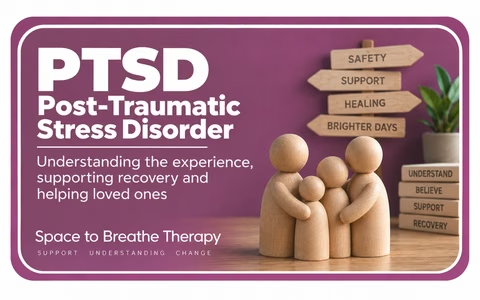
PTSD - A GUIDE FOR FAMILY & LOVED ONES
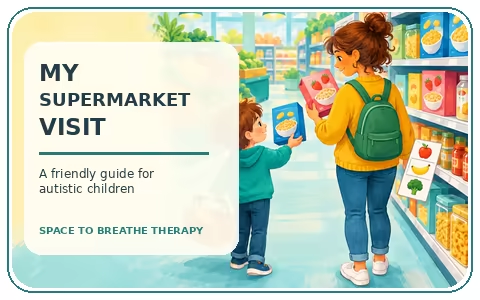
MY SUPERMARKET VISIT: A FRIENDLY, FLEXIBLE GUIDE
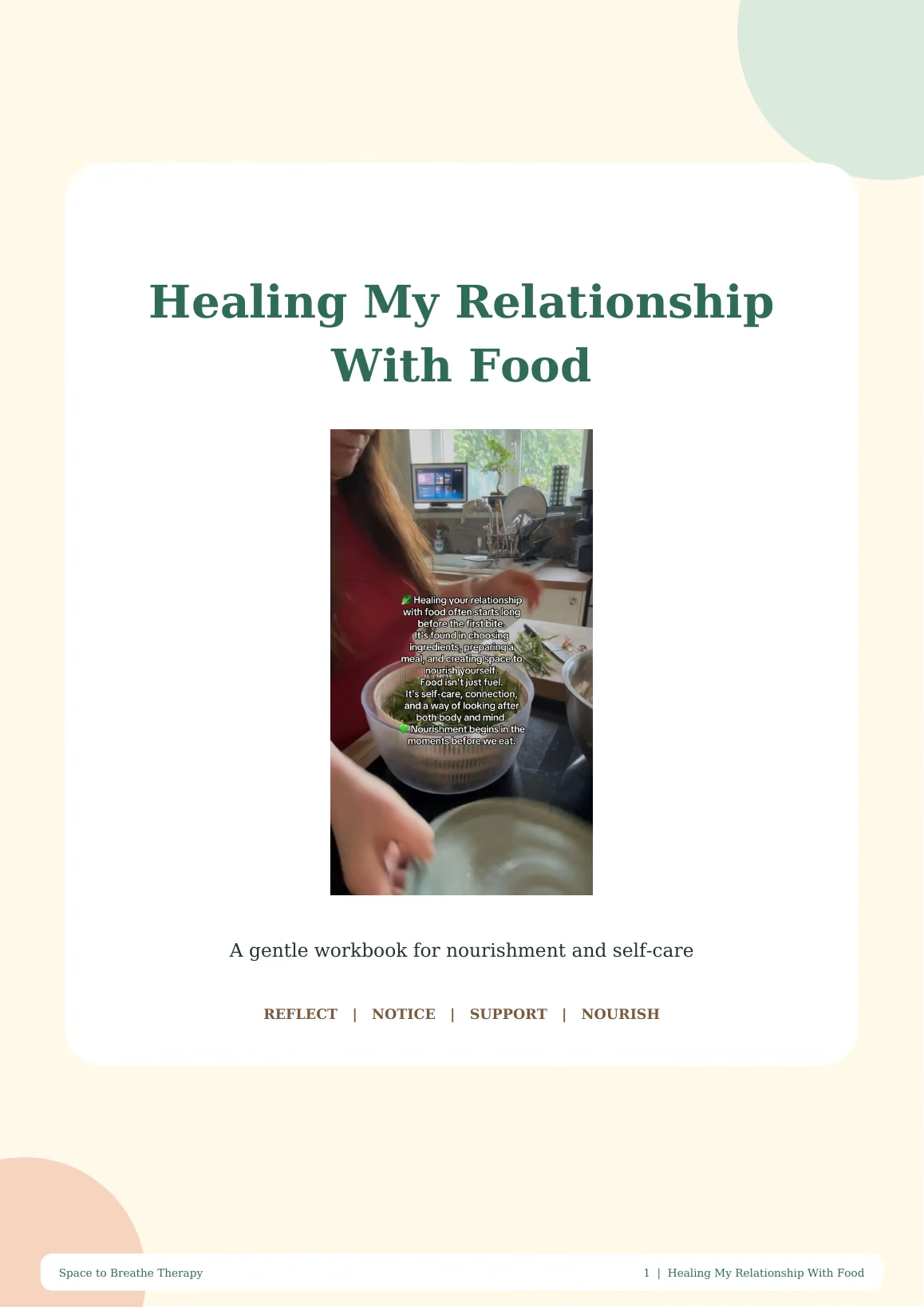
Healing My Relationship With Food - Workbook
Helping Someone Who Is Struggling