Understanding LGBTQ+ Identities - The term LGBTQ+ is an umbrella term used to describe a diverse community of people whose sexual orientation or gender identity may differ from traditional expectations. This page explores the meaning of the acronym, the diversity within the community, and the importance of recognising and respecting different identities.
Understanding LGBTQ+ Identities
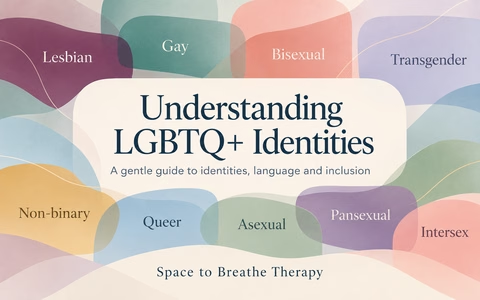
The Understanding LGBTQ+ Identities
An interactive guide to understanding LGBTQ+ identities, including sexual orientations, gender identities and sex characteristics. Discover 18 informative flip cards explaining terminology, individual experiences, common misconceptions and respectful ways to support inclusion, with space for personal reflection.
Understanding LGBTQ+ Identities
Common Myths About LGBTQ+ People
Understanding LGBTQ+ – Article 5
Understanding LGBTQ+ Identities
LGBTQ+ History & Why Pride Matters
Understanding LGBTQ+ – Article 4
Understanding LGBTQ+ Identities
Understanding Gender Identity
Understanding LGBTQ+ – Article 3
Understanding LGBTQ+ Identities
Understanding Sexual Orientation
Understanding LGBTQ+ – Article 2
Understanding LGBTQ+ Identities
What Does LGBTQ+ Mean?
Understanding LGBTQ+ – Article 1
Understanding LGBTQ+ Identities
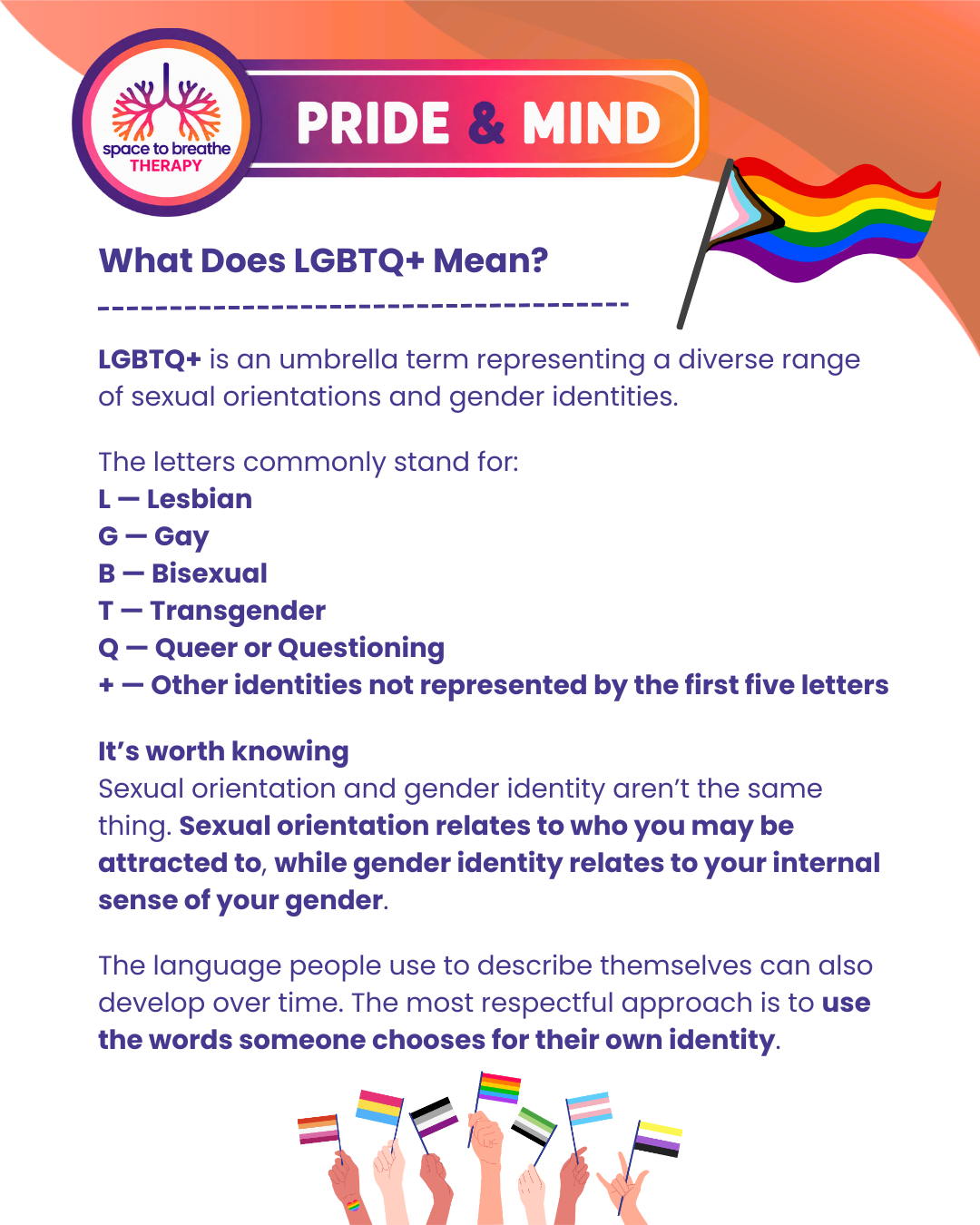
What Does LGBTQ+ Mean? – Understanding the Umbrella
LGBTQ+ is an umbrella term used to describe a wide and diverse range of sexual orientations, romantic orientations and gender identities.
Understanding LGBTQ+ Identities
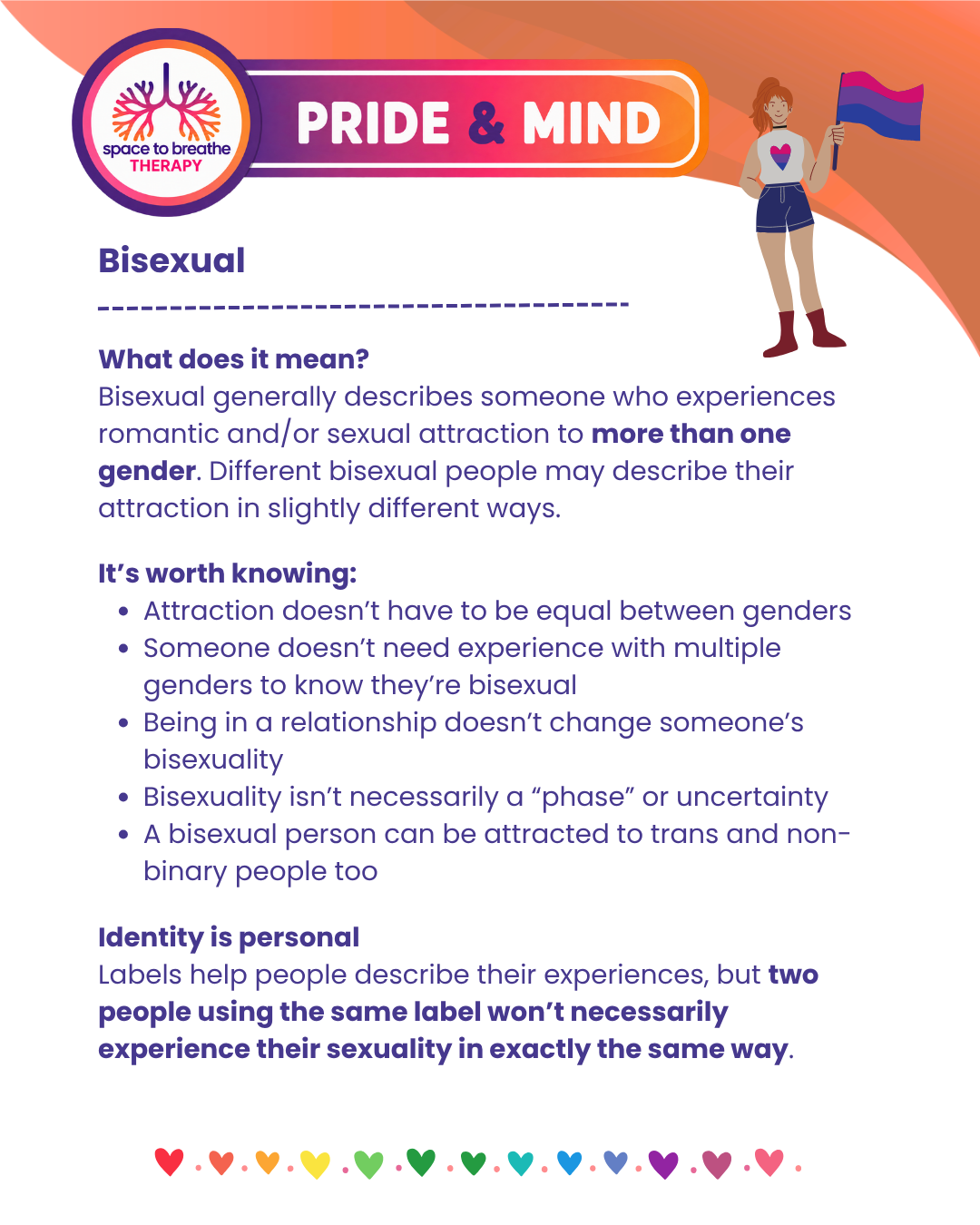
Bisexual – Attraction, Identity and Being Enough
eing bisexual generally means experiencing romantic and/or sexual attraction to more than one gender.
Understanding LGBTQ+ Identities
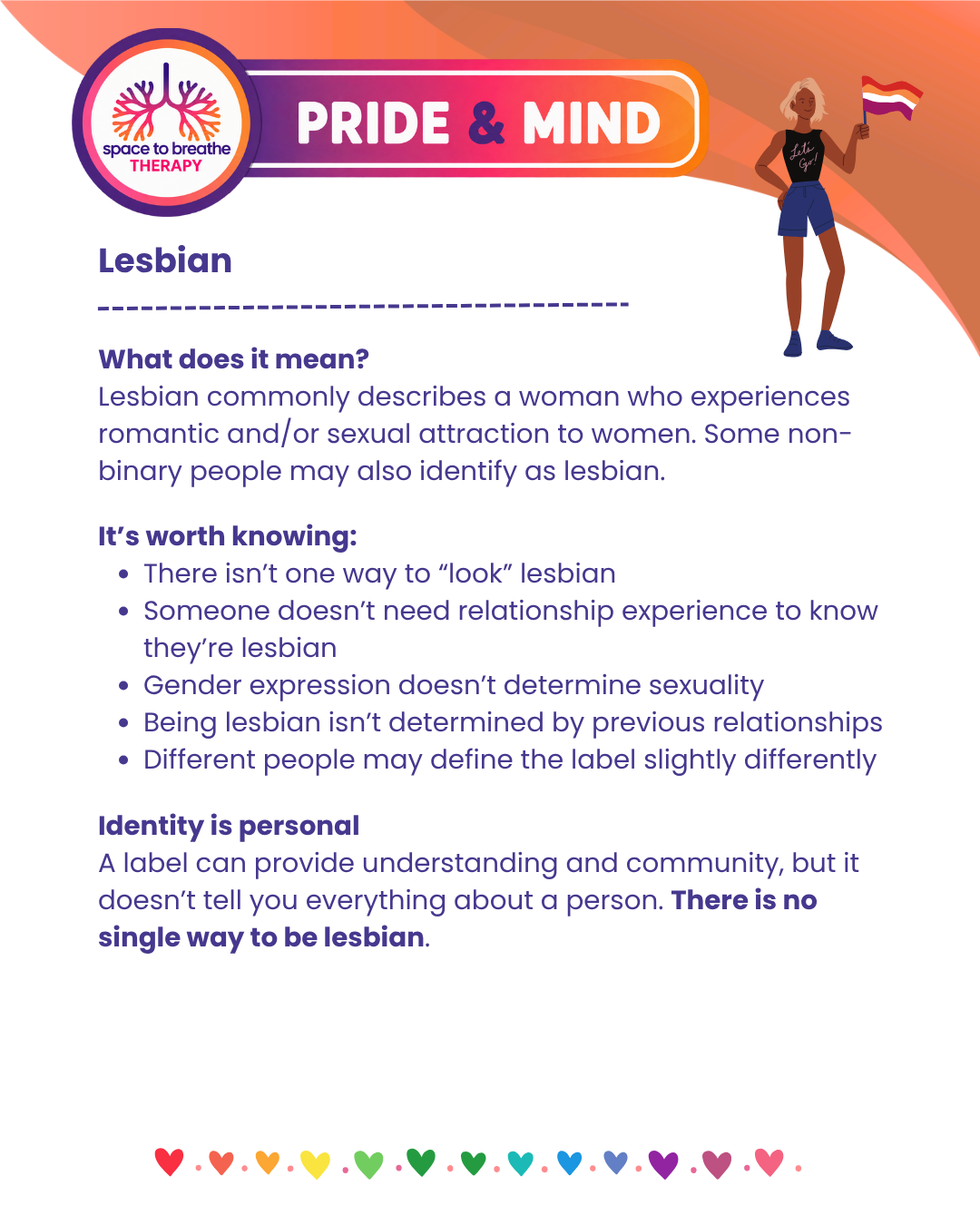
Lesbian – Identity, Attraction and Finding What Feels Right
The word lesbian commonly describes a woman who experiences romantic and/or sexual attraction to women
Understanding LGBTQ+ Identities
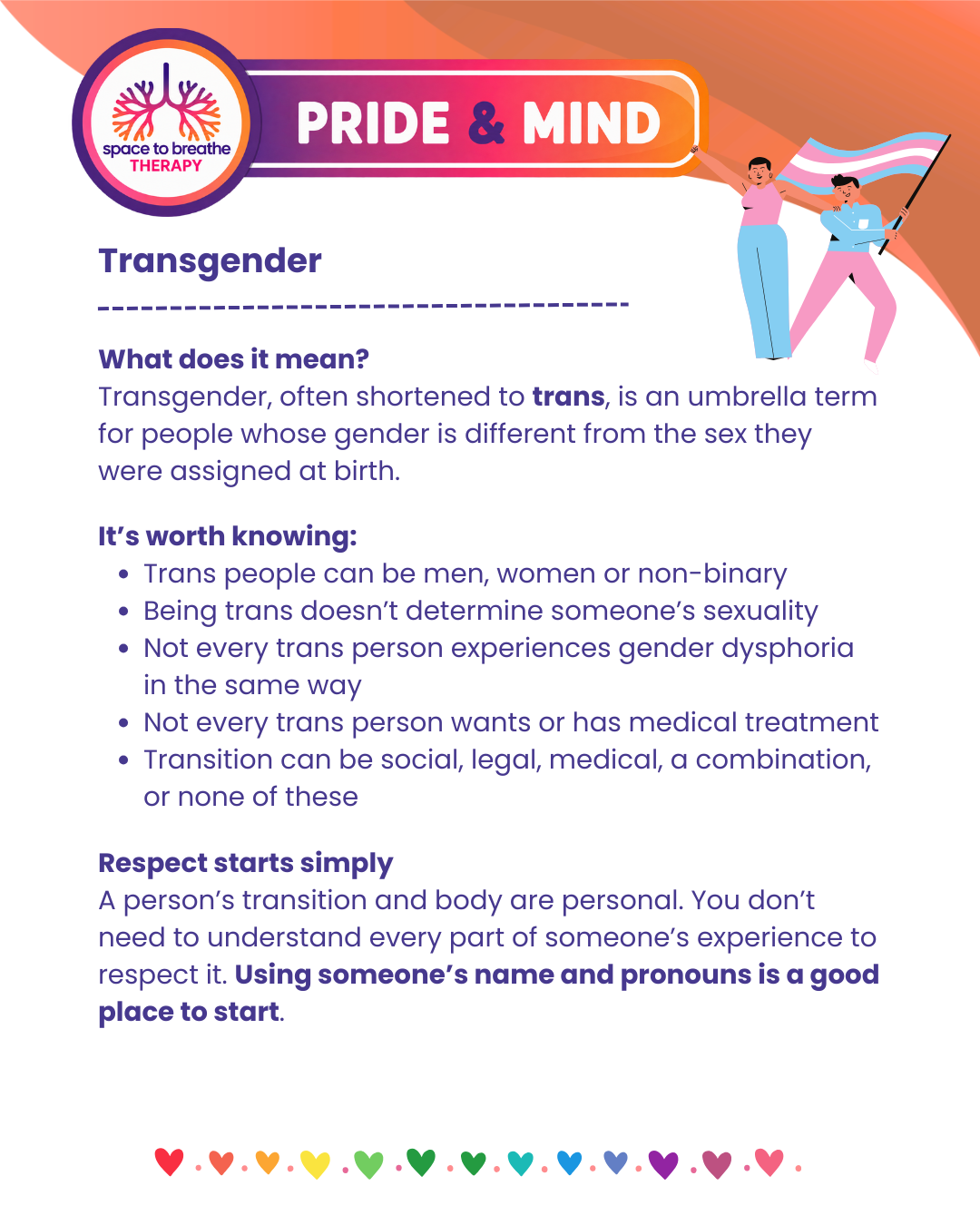
Transgender – Understanding Identity, Transition and Respect
Being transgender, often shortened to trans, means that someone's gender is different from the sex they were assigned at birth.
Understanding LGBTQ+ Identities
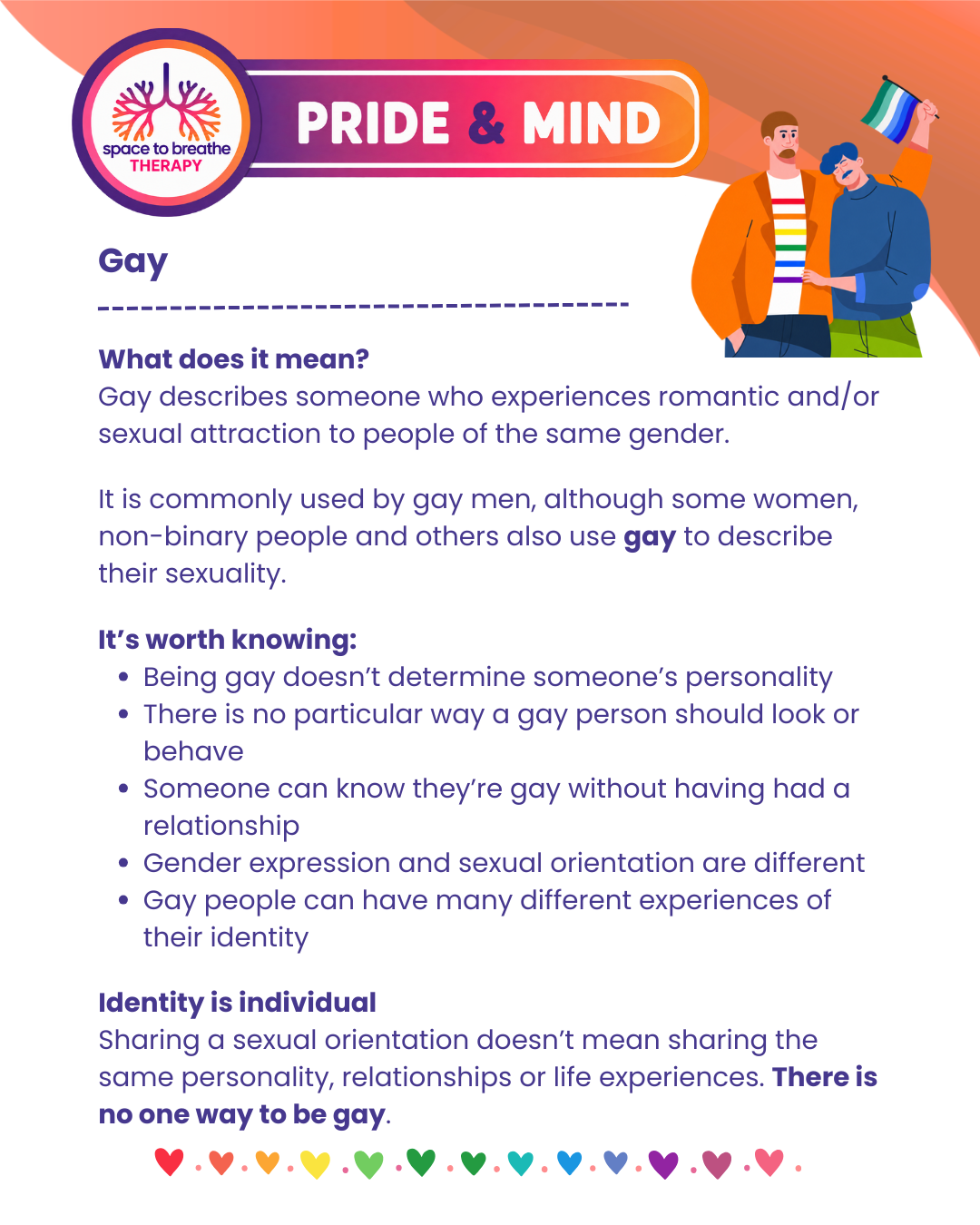
Gay – Understanding Sexual Orientation, Identity and Individual Experience
Being gay describes someone who experiences romantic and/or sexual attraction to people of the same gender.
Understanding LGBTQ+ Identities
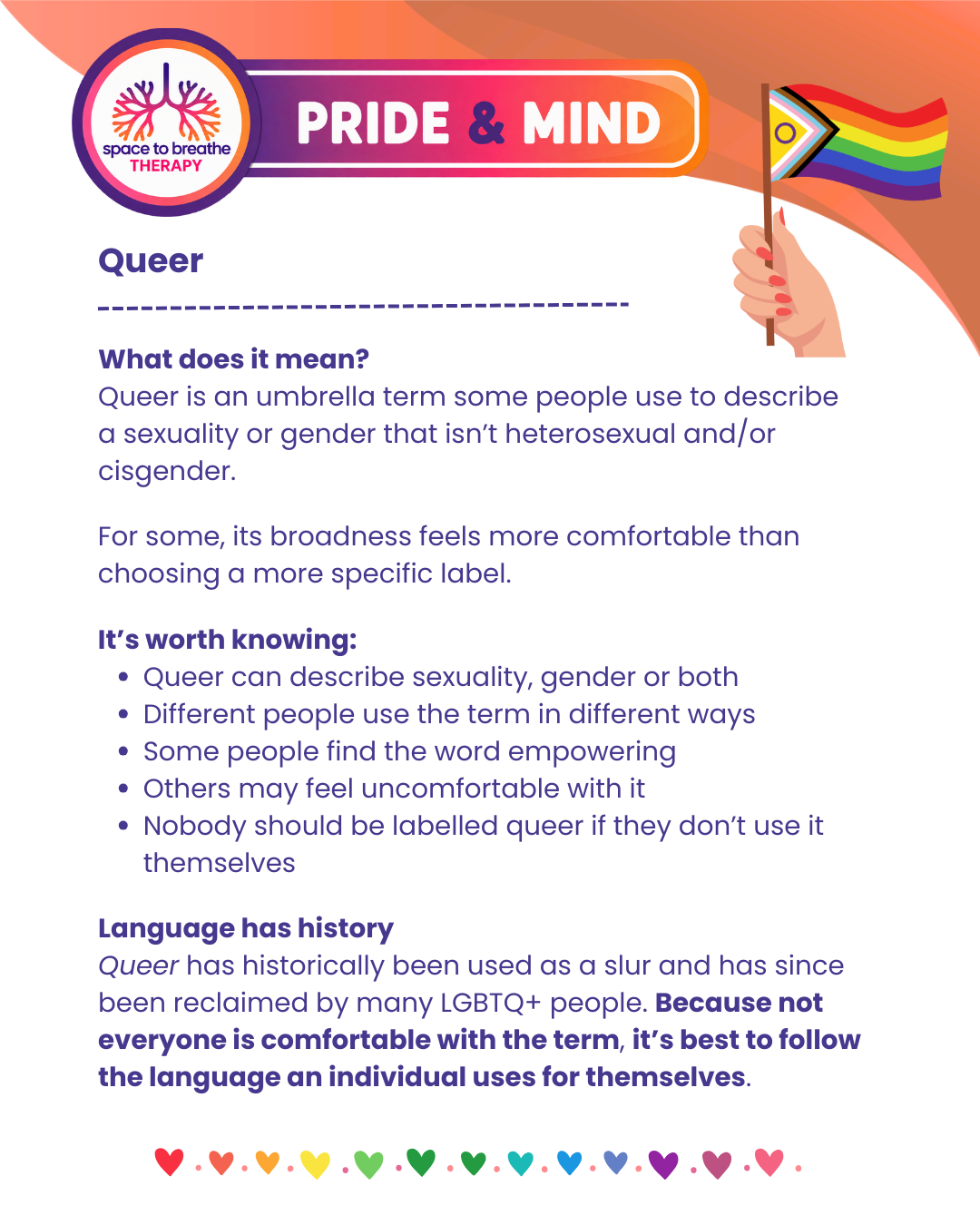
Queer – Understanding the Word, Its History and Its Meaning Today
The word queer can mean different things to different people.
Understanding LGBTQ+ Identities
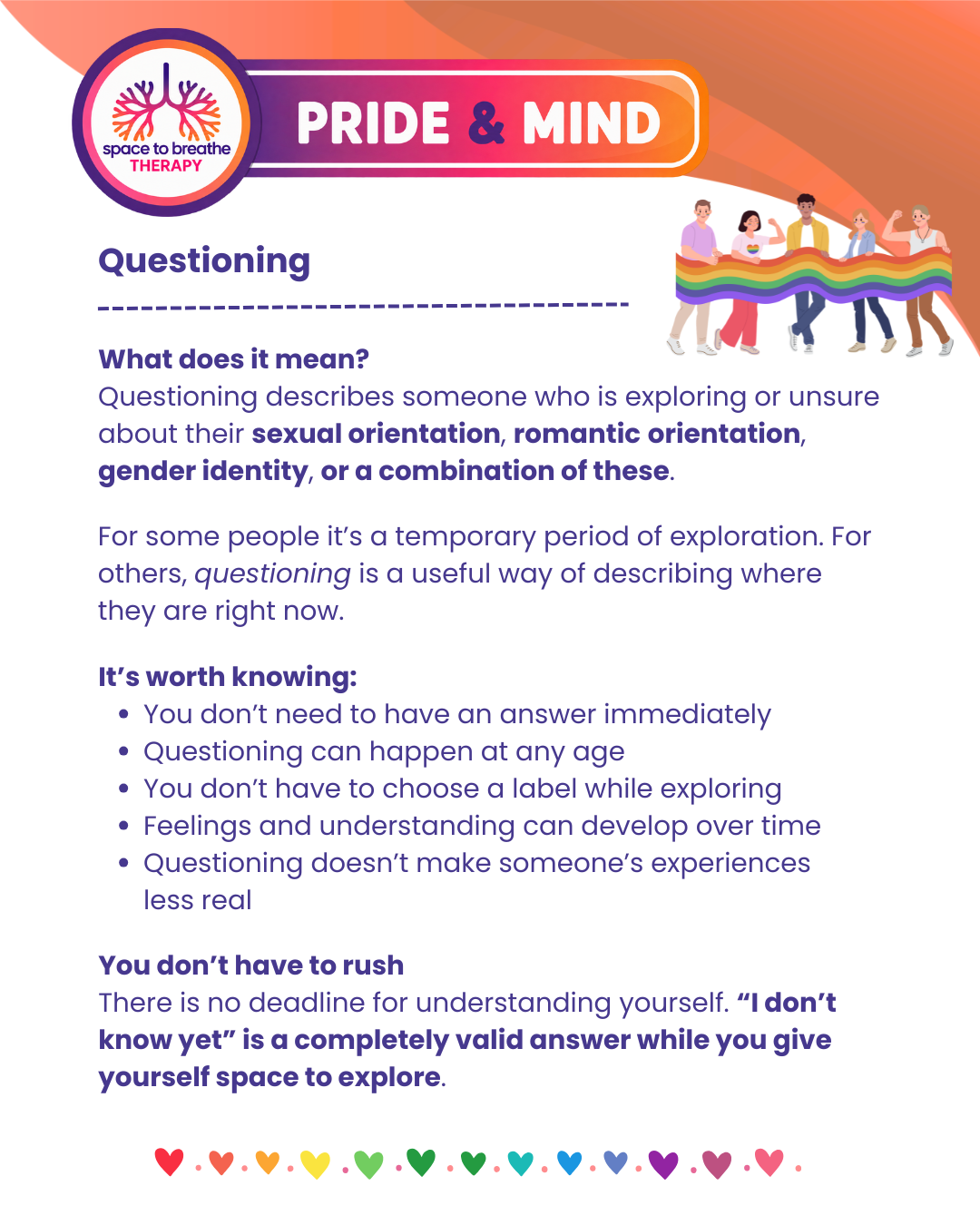
Questioning – Giving Yourself Permission to Explore
Questioning your sexuality, romantic orientation or gender identity can bring a mixture of emotions. For some people there is excitement and curiosity
Understanding LGBTQ+ Identities
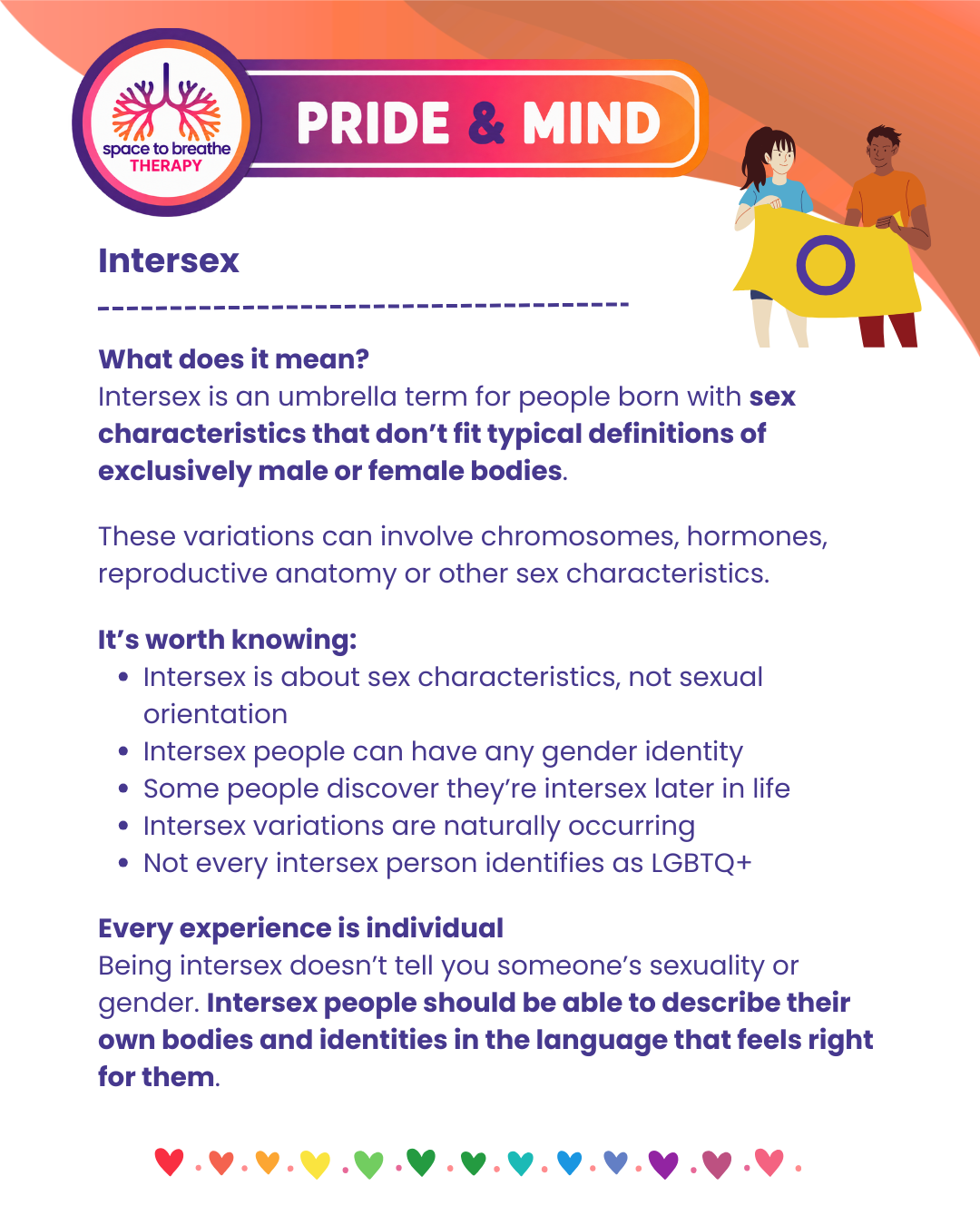
Intersex – Understanding Natural Variations in Sex Characteristics
The word intersex may be unfamiliar to some people, and because sex, gender and sexuality are often spoken about together, it can be easy to misunderstand what the term actually means.
Understanding LGBTQ+ Identities
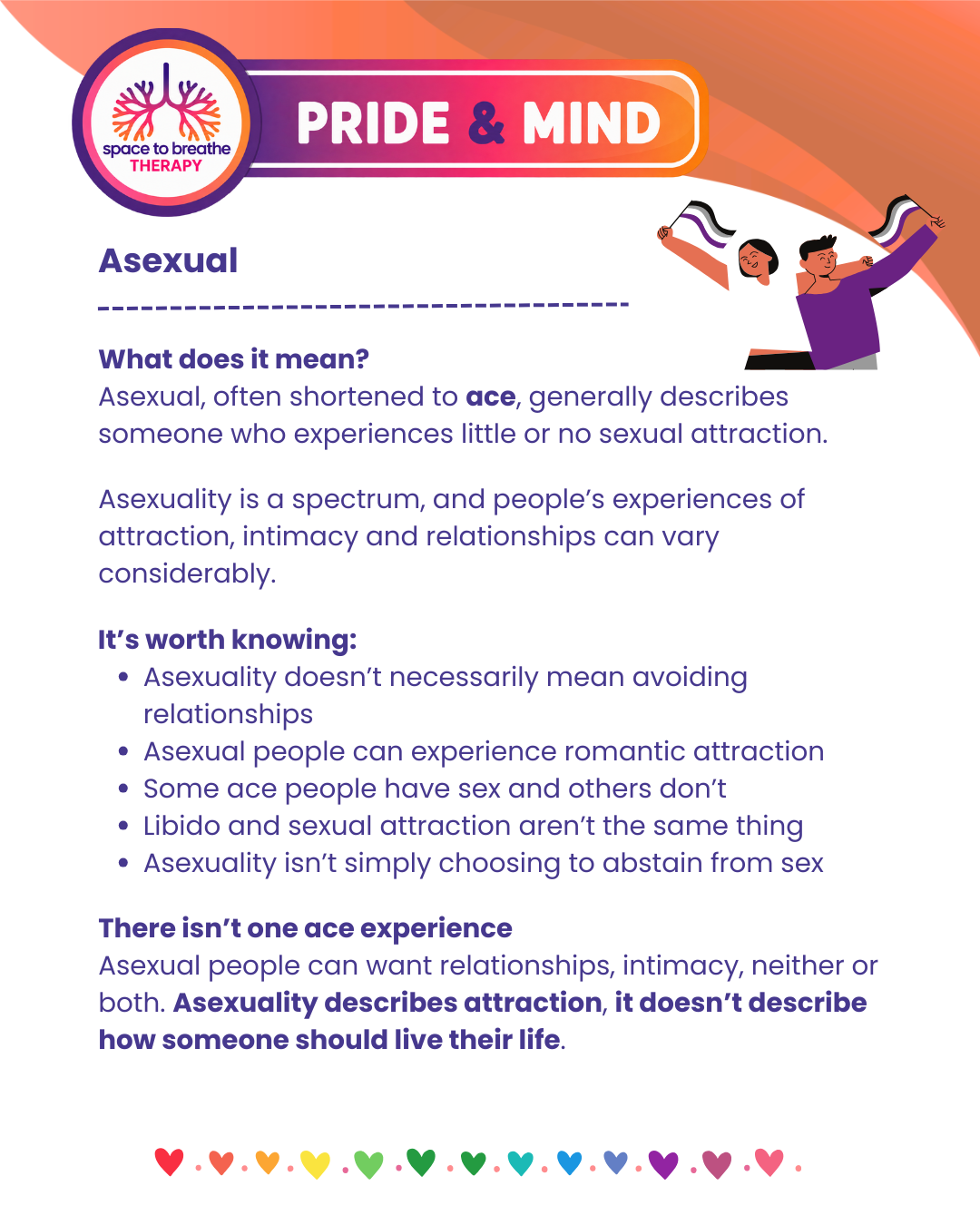
Asexual – Understanding Attraction, Intimacy and Relationships
Sexual attraction is often spoken about as though everyone experiences it in roughly the same way.
Understanding LGBTQ+ Identities
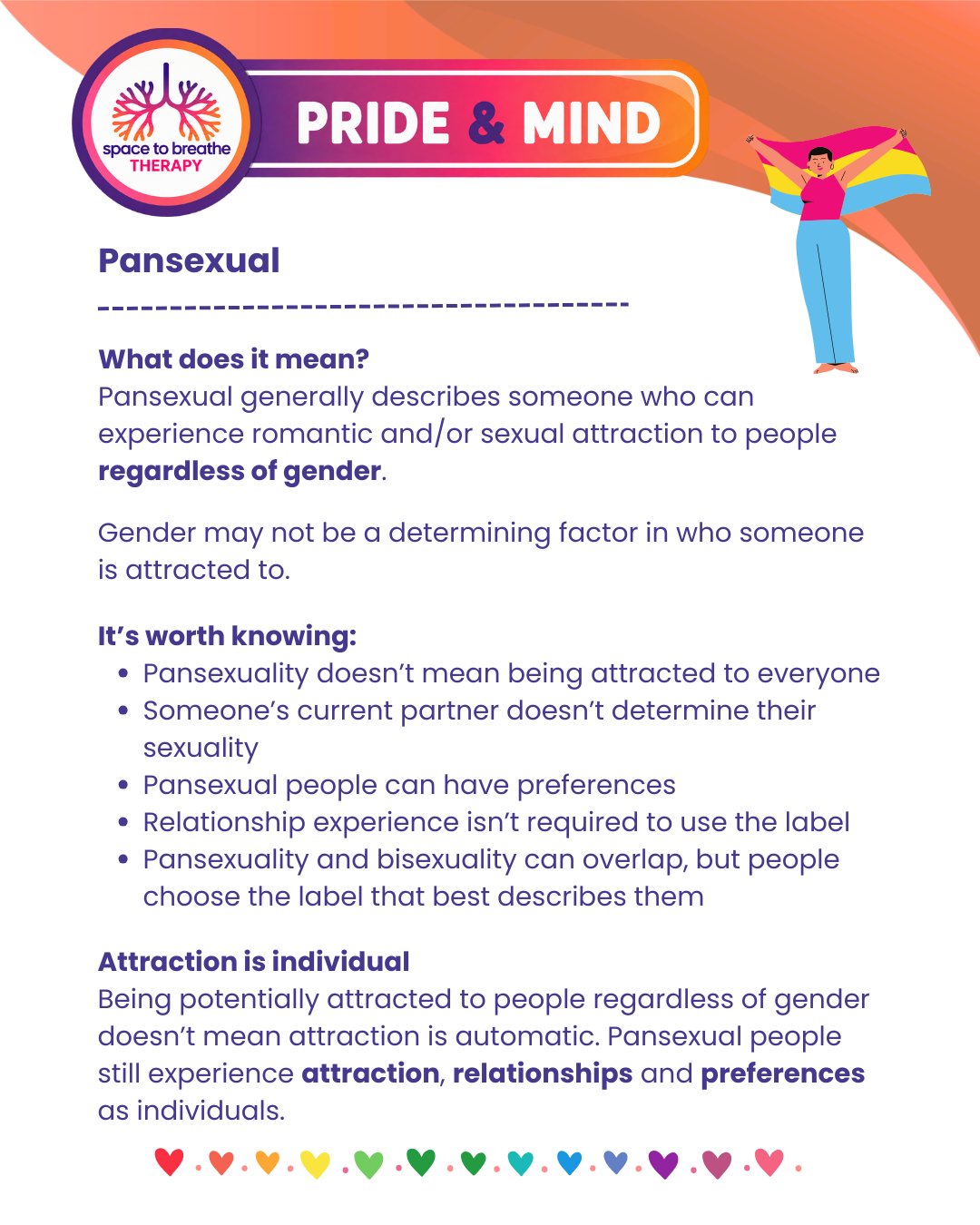
Pansexual – Attraction Beyond Gender
Attraction is personal, and people experience it in many different ways.
Understanding LGBTQ+ Identities
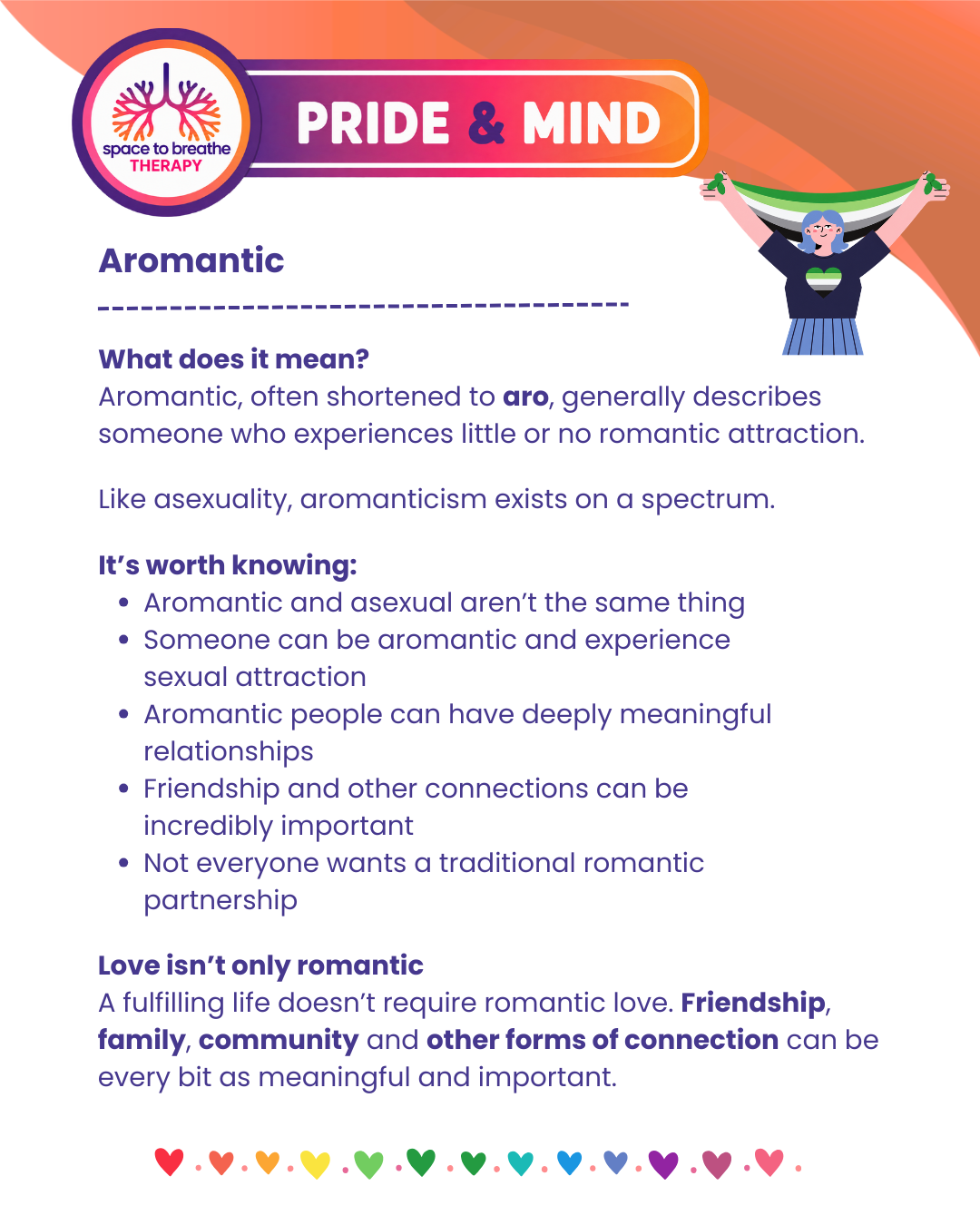
Aromantic – Love Isn’t Only Romantic
We are often surrounded by the idea that everyone will eventually fall in love, find a romantic partner and build their life around that relationship.
Understanding LGBTQ+ Identities
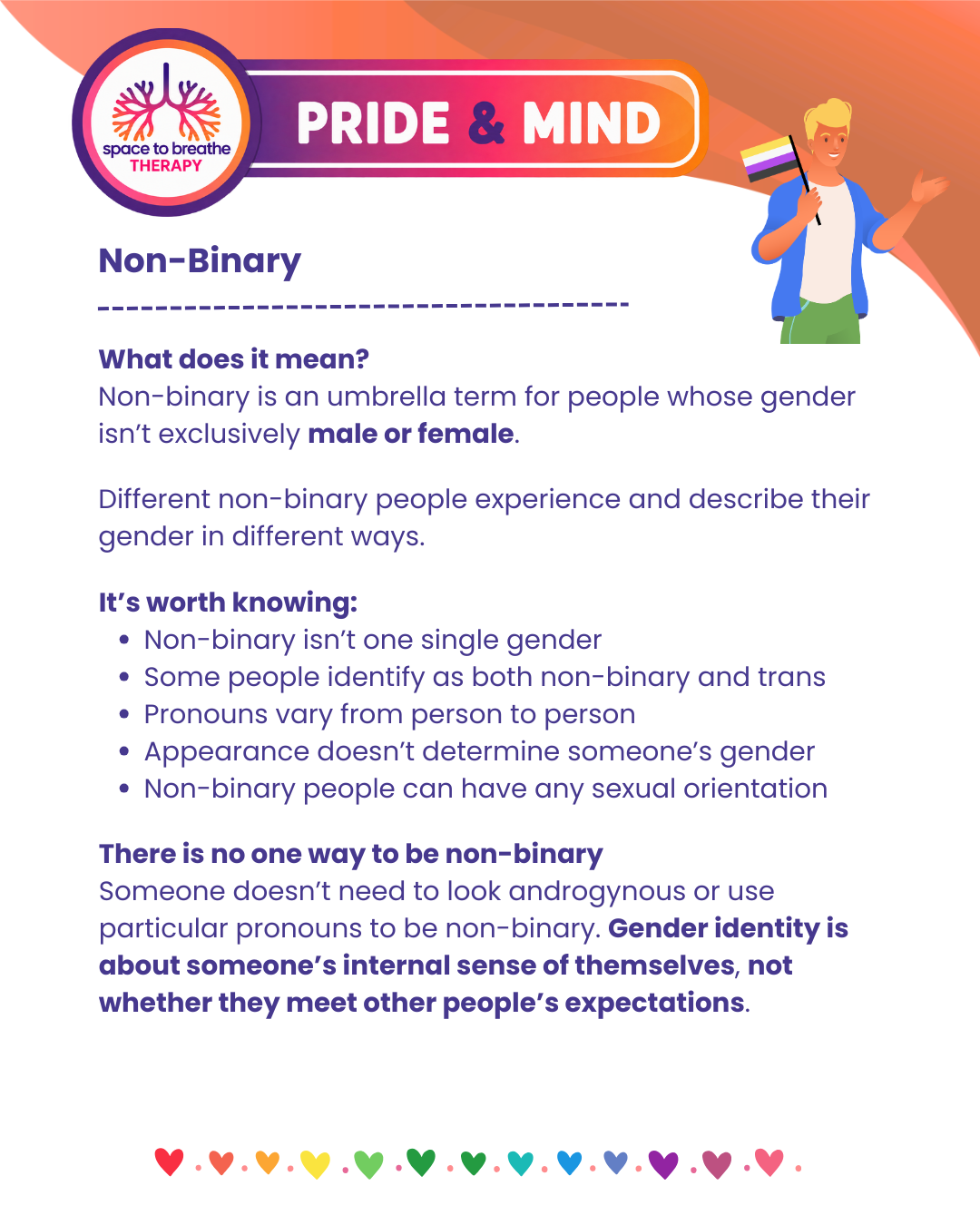
Non-Binary – There Is No One Way to Be You
Many of us grow up hearing gender described as two possibilities: male or female. For some people, however, neither of those categories fully describes their internal experience.
Understanding LGBTQ+ Identities
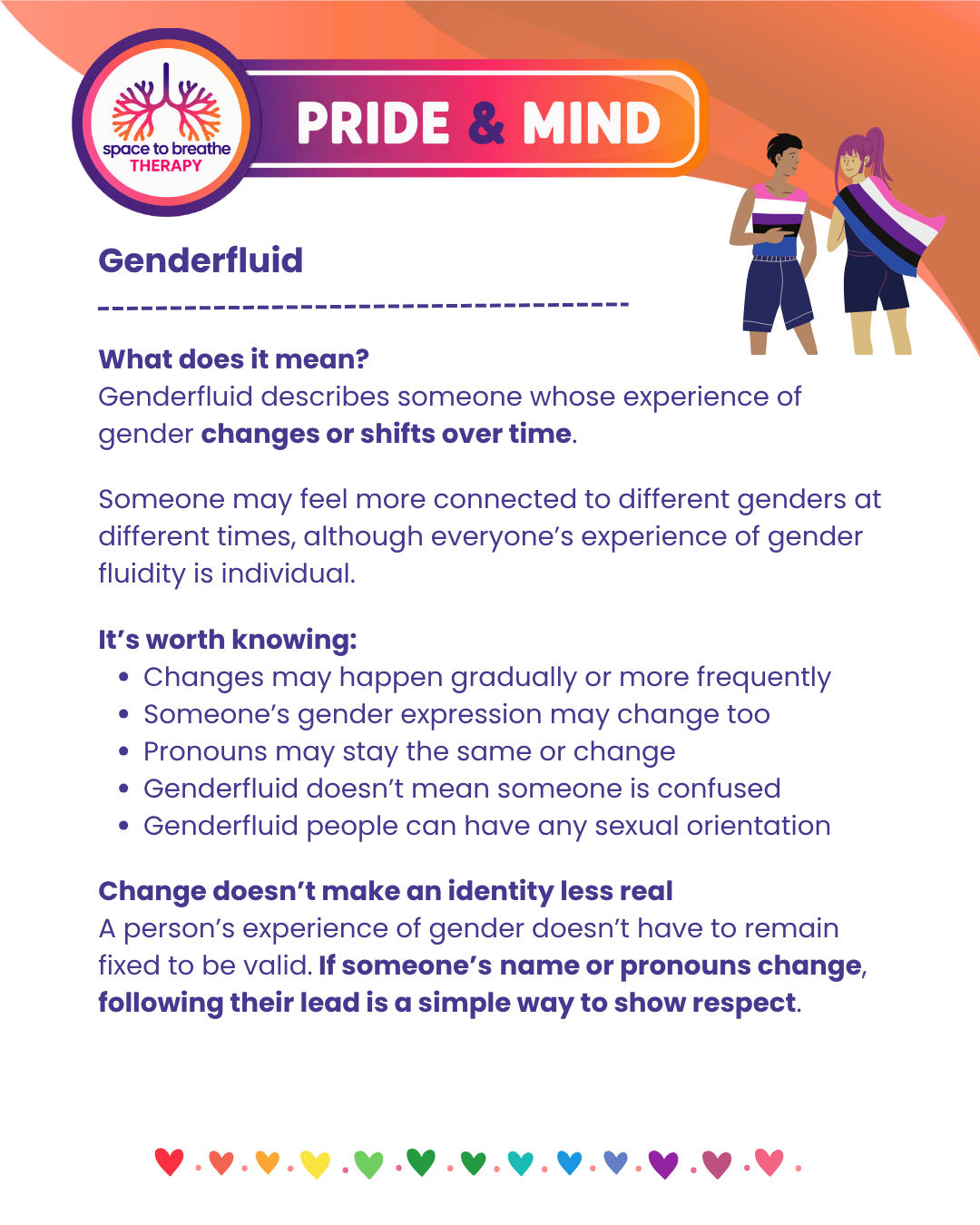
Genderfluid – When Gender Can Shift and Change
For some people, gender feels consistent throughout their lives. For others, their experience of gender can change, move or shift over time.
Understanding LGBTQ+ Identities
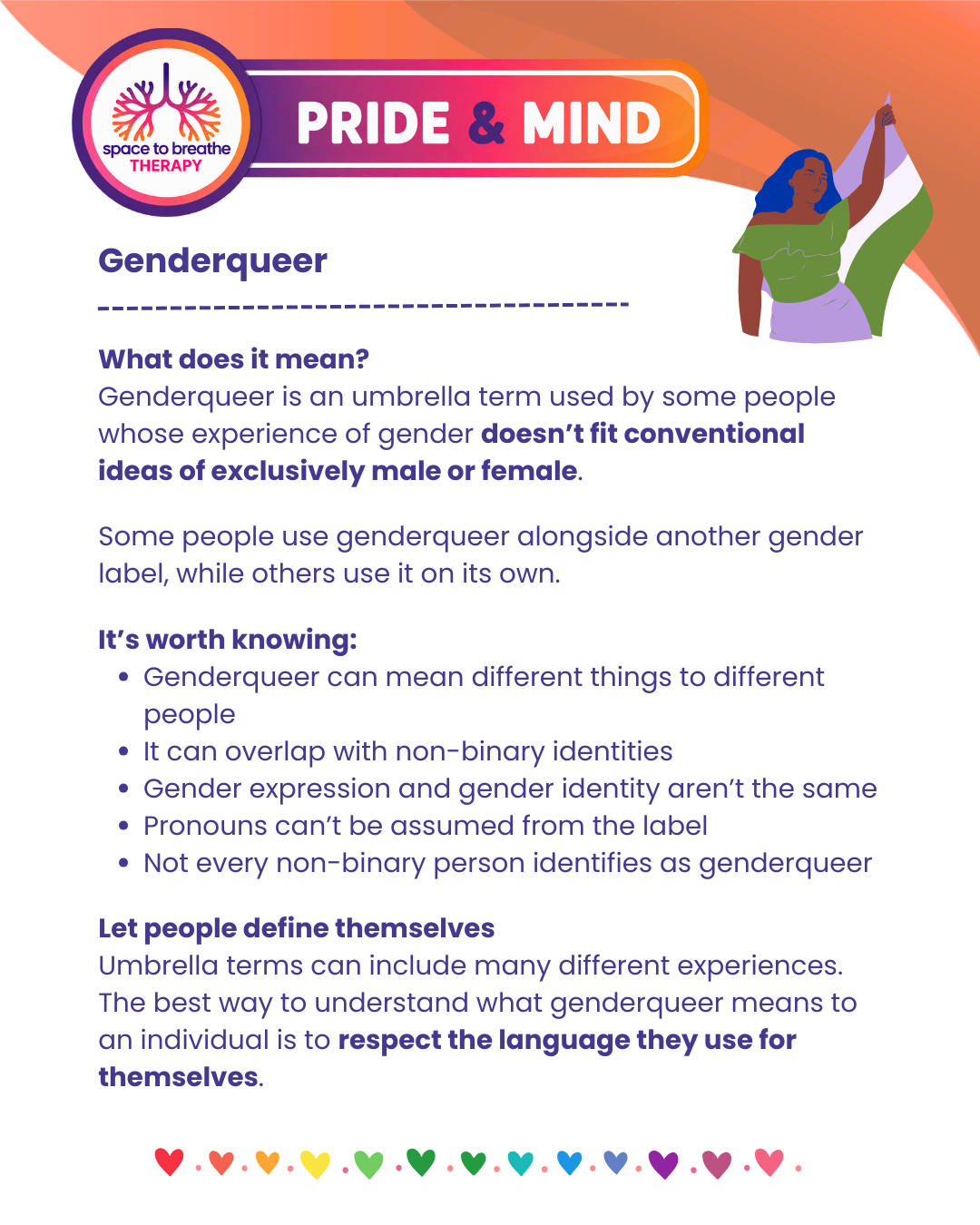
Genderqueer – Understanding Gender Beyond Traditional Categories
Gender is often presented as though there are only two clear possibilities: male or female. But for many people, their experience of gender is more complex than this.
Understanding LGBTQ+ Identities
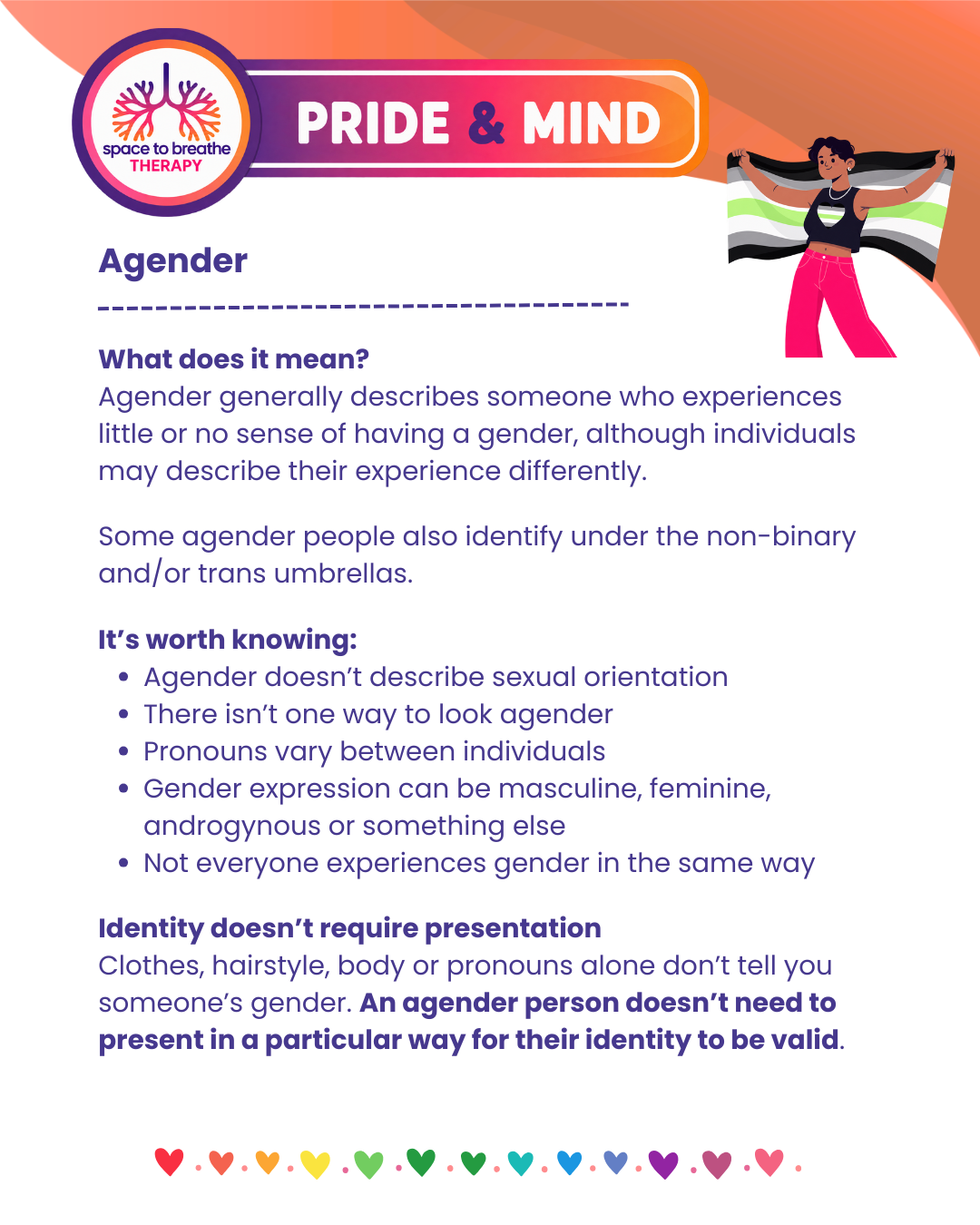
Agender – Understanding an Identity Without Gender
For many people, gender is an important part of how they understand themselves. They may feel strongly that they are a man, a woman, non-binary, or another gender.
The Journey to Self Acceptance - Understanding and accepting one’s identity can take time. Many people experience a process of reflection, discovery, and personal growth as they come to terms with who they are. This page explores the emotional journey toward self-acceptance and the importance of self-compassion during that process.
Exploring Identity & Self-Acceptance
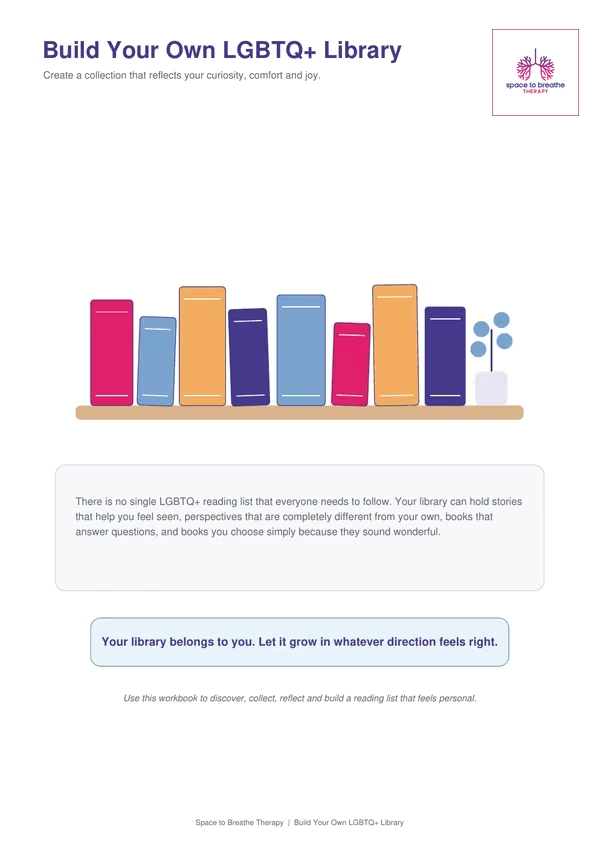
Build Your Own LGBTQ+ Library
Your library belongs to you. Let it grow in whatever direction feels right.
Exploring Identity & Self-Acceptance
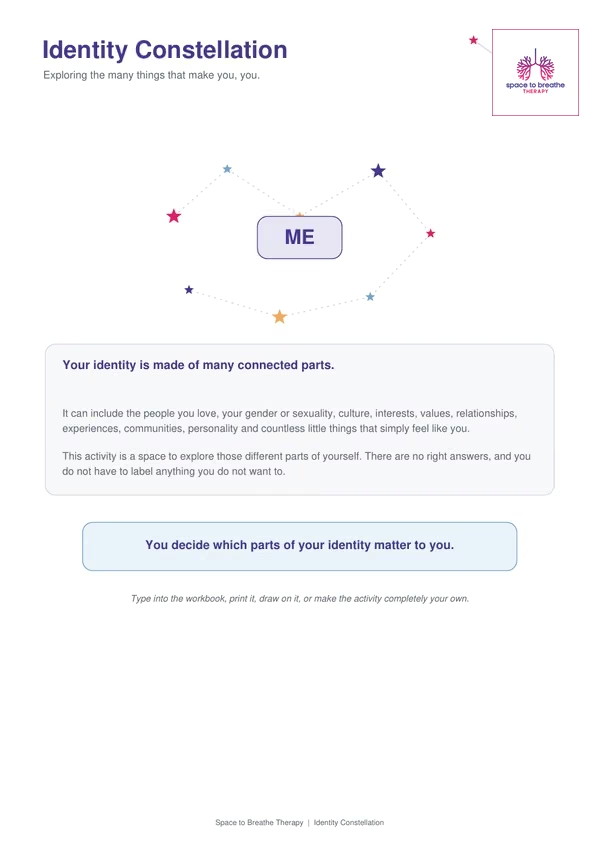
Identity Constellation
You decide which parts of your identity matter to you.
Exploring Identity & Self-Acceptance
Belonging Without Losing Yourself
The Journey of Self-Acceptance – Article 5
Exploring Identity & Self-Acceptance
Building Confidence in Your Identity
The Journey of Self-Acceptance – Article 4
Exploring Identity & Self-Acceptance
Becoming Comfortable Being You
The Journey of Self-Acceptance – Article 3
Exploring Identity & Self-Acceptance
Healing Shame & Internalised Stigma
The Journey of Self-Acceptance – Article 2
Exploring Identity & Self-Acceptance
Understanding Self-Acceptance
The Journey of Self-Acceptance – Article 1
Exploring Identity & Self-Acceptance
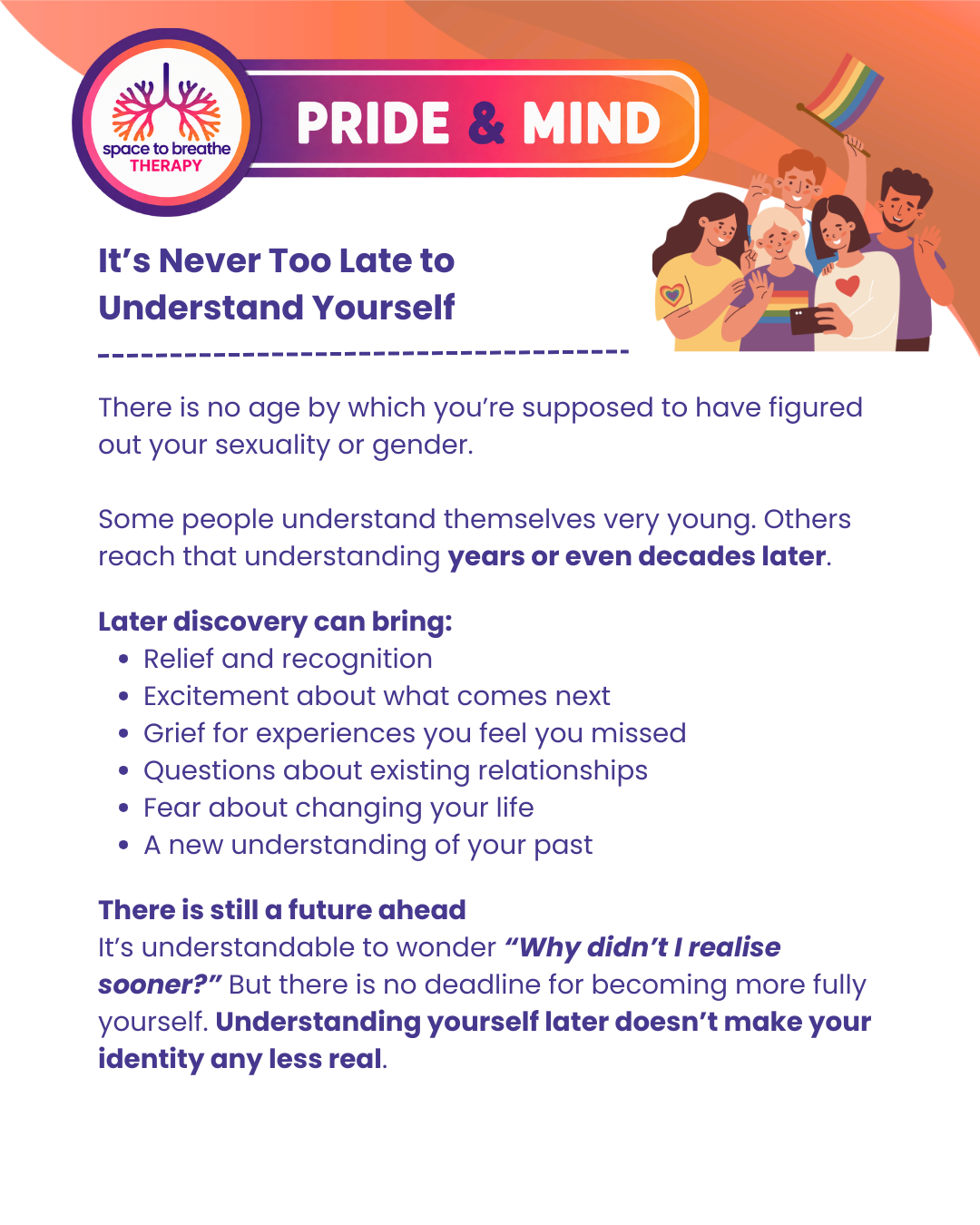
It’s Never Too Late to Understand Yourself
There is no age by which you should have completely figured yourself out.
Exploring Identity & Self-Acceptance
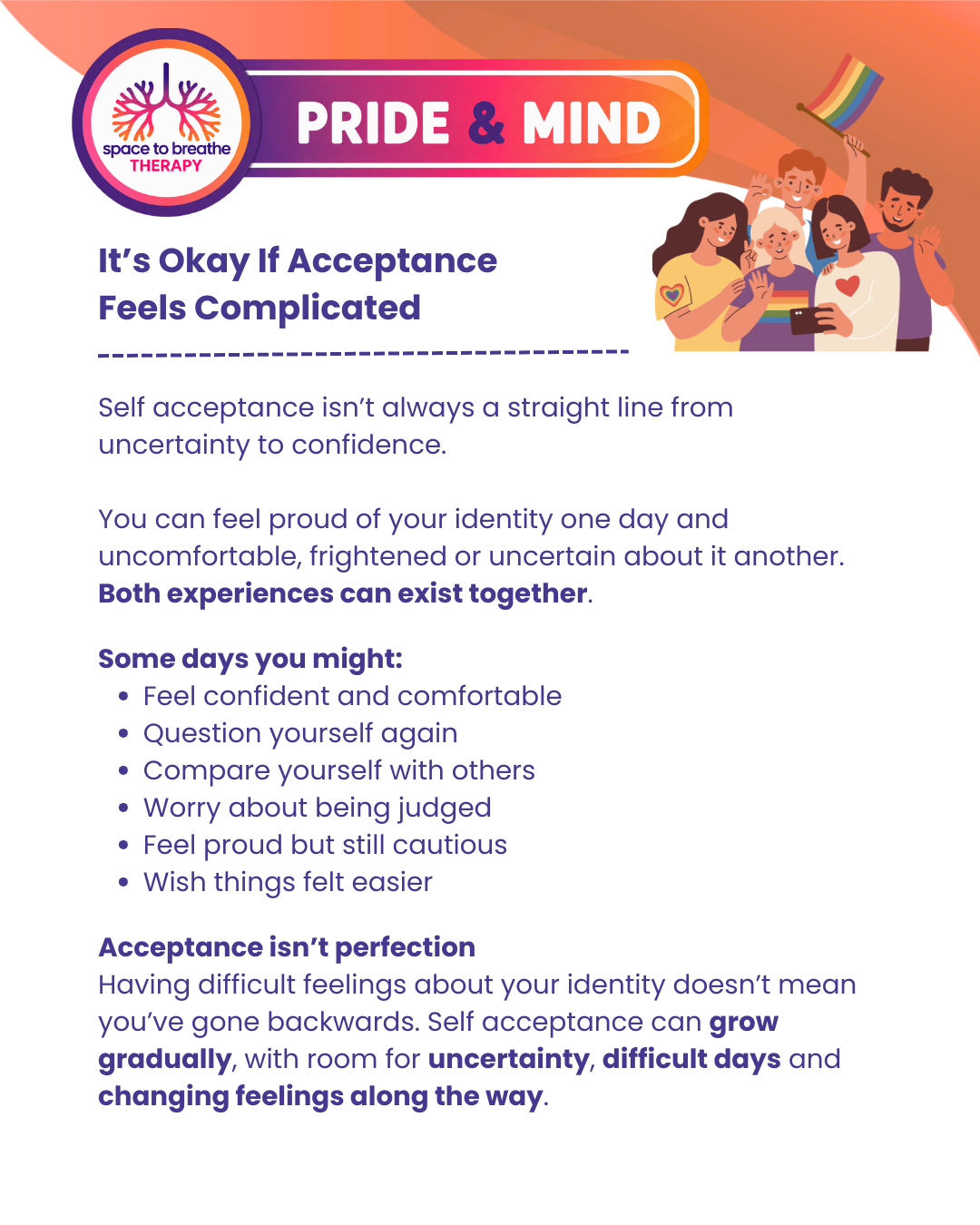
It’s Okay If Acceptance Feels Complicated
We sometimes talk about self-acceptance as though one day you simply arrive there.
Exploring Identity & Self-Acceptance
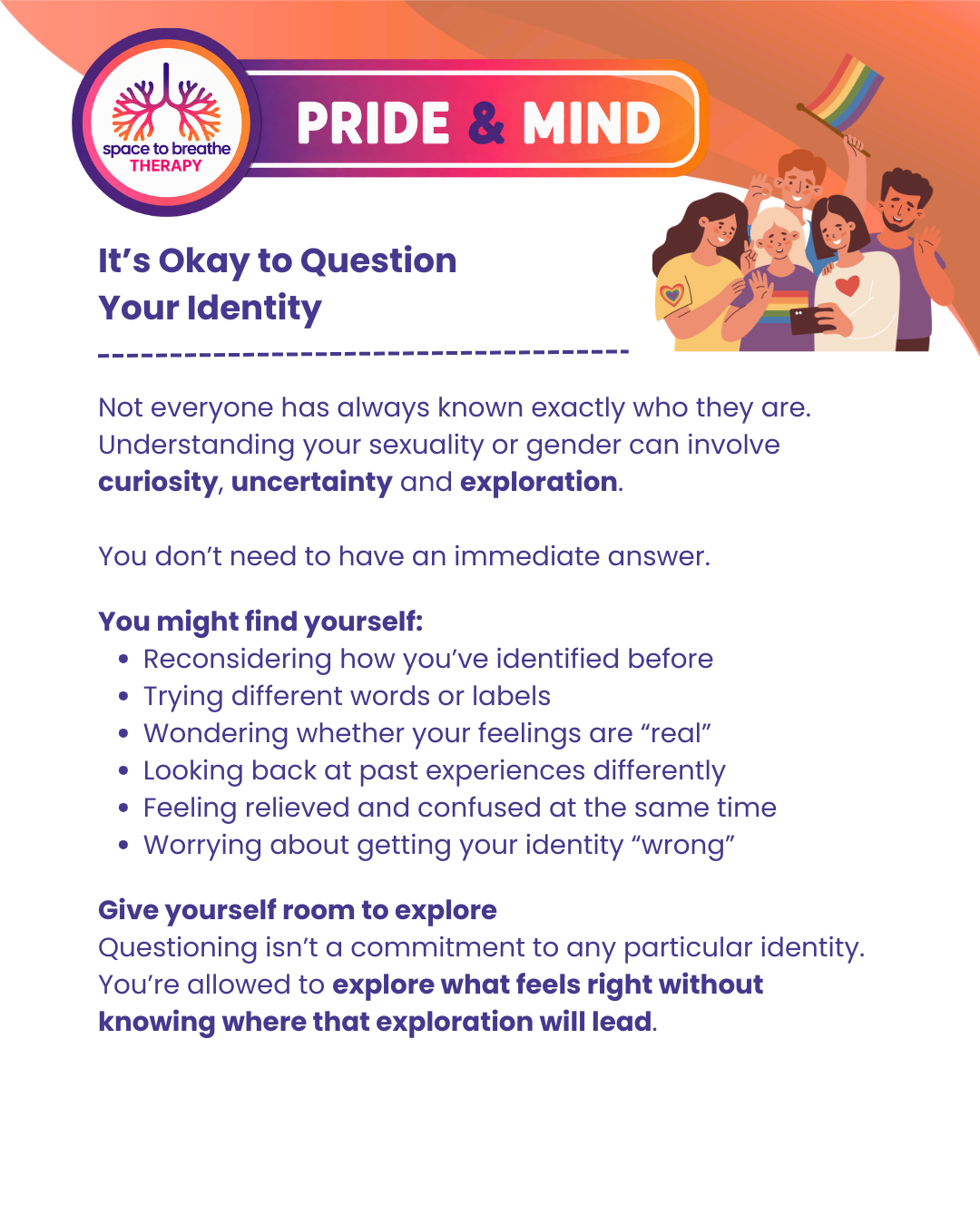
It’s Okay to Question Your Identity
Not everybody has always known exactly who they are.
Exploring Identity & Self-Acceptance
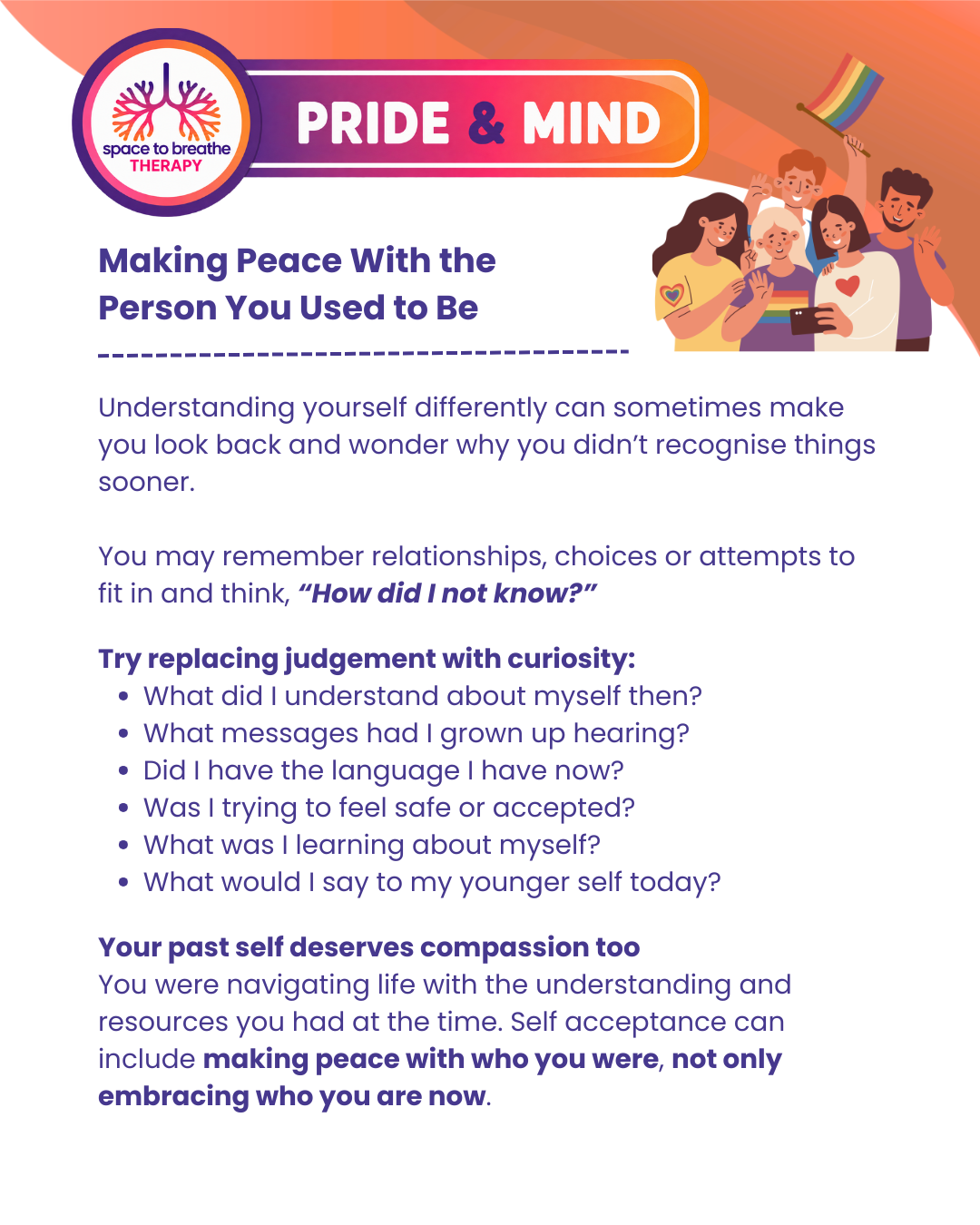
Making Peace With the Person You Used to Be
Understanding your LGBTQ+ identity can sometimes change the way you look back at your life.
Exploring Identity & Self-Acceptance
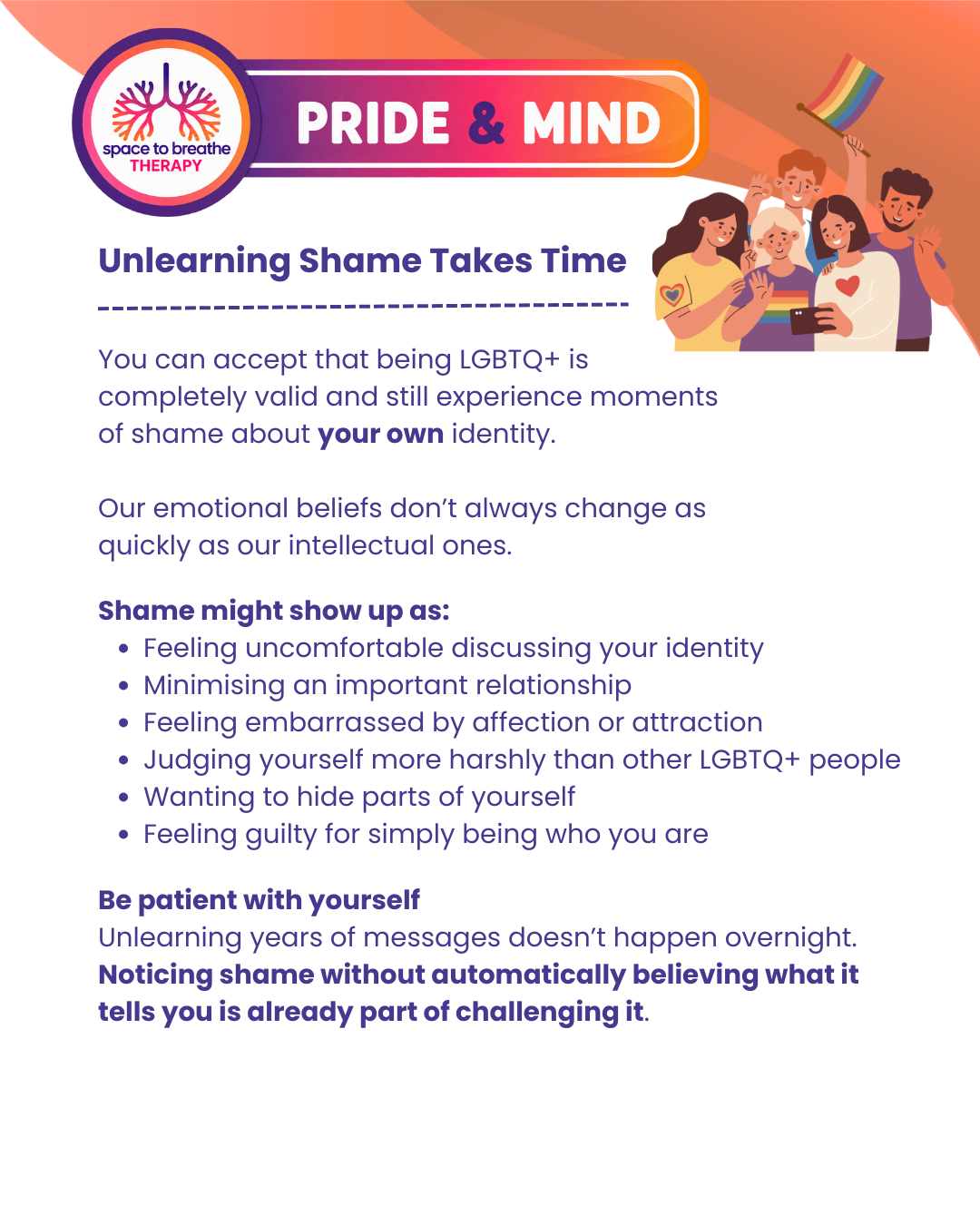
Unlearning Shame Takes Time
You can know that being LGBTQ+ is completely valid and still experience moments of shame about your own identity.
Exploring Identity & Self-Acceptance
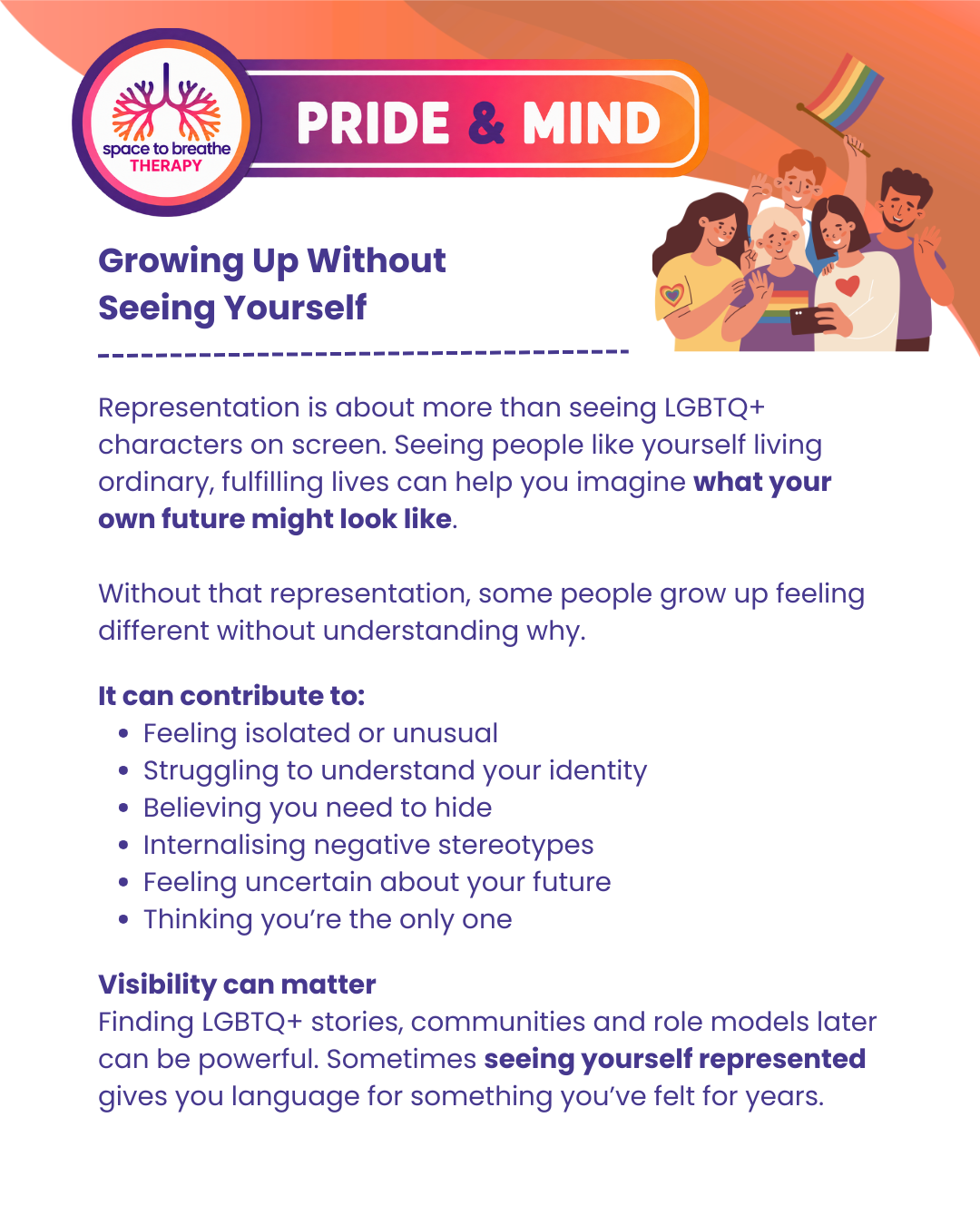
Growing Up Without Seeing Yourself
For many LGBTQ+ people, growing up without seeing people like themselves represented can have a much deeper impact than we sometimes realise.
Coming Out & Choosing Who to Tell - This section explores coming out as a personal journey that happens on your own terms and in your own time. It covers deciding who to tell and when, preparing for different reactions, and prioritising your safety and wellbeing, with the reminder that there is no right or wrong way to share who you are.
Coming Out & Choosing Who to Tell
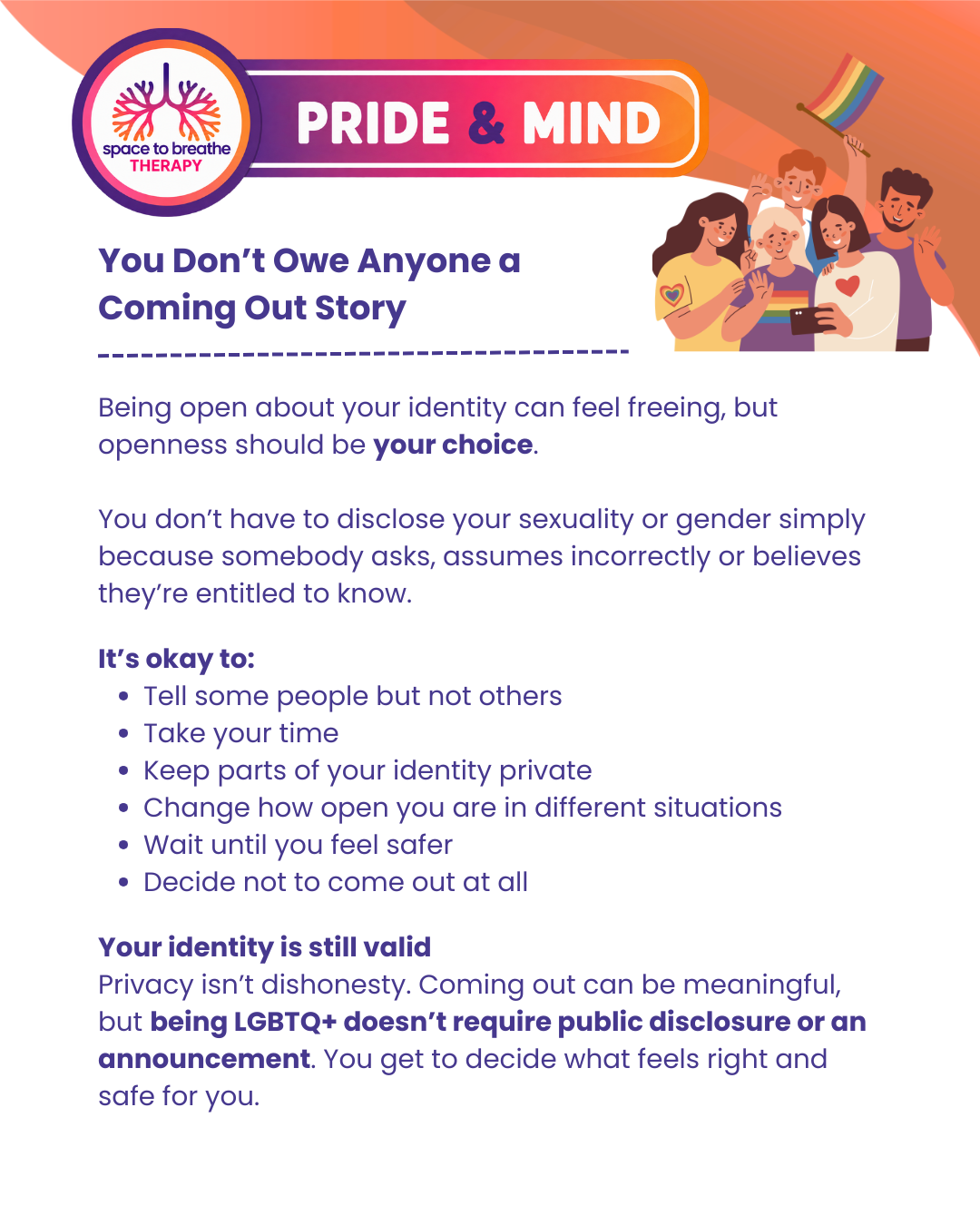
You Don’t Owe Anyone a Coming Out Story
There can sometimes be an expectation that being LGBTQ+ means eventually telling everyone, making an announcement or explaining your identity.
Coming Out & Choosing Who to Tell
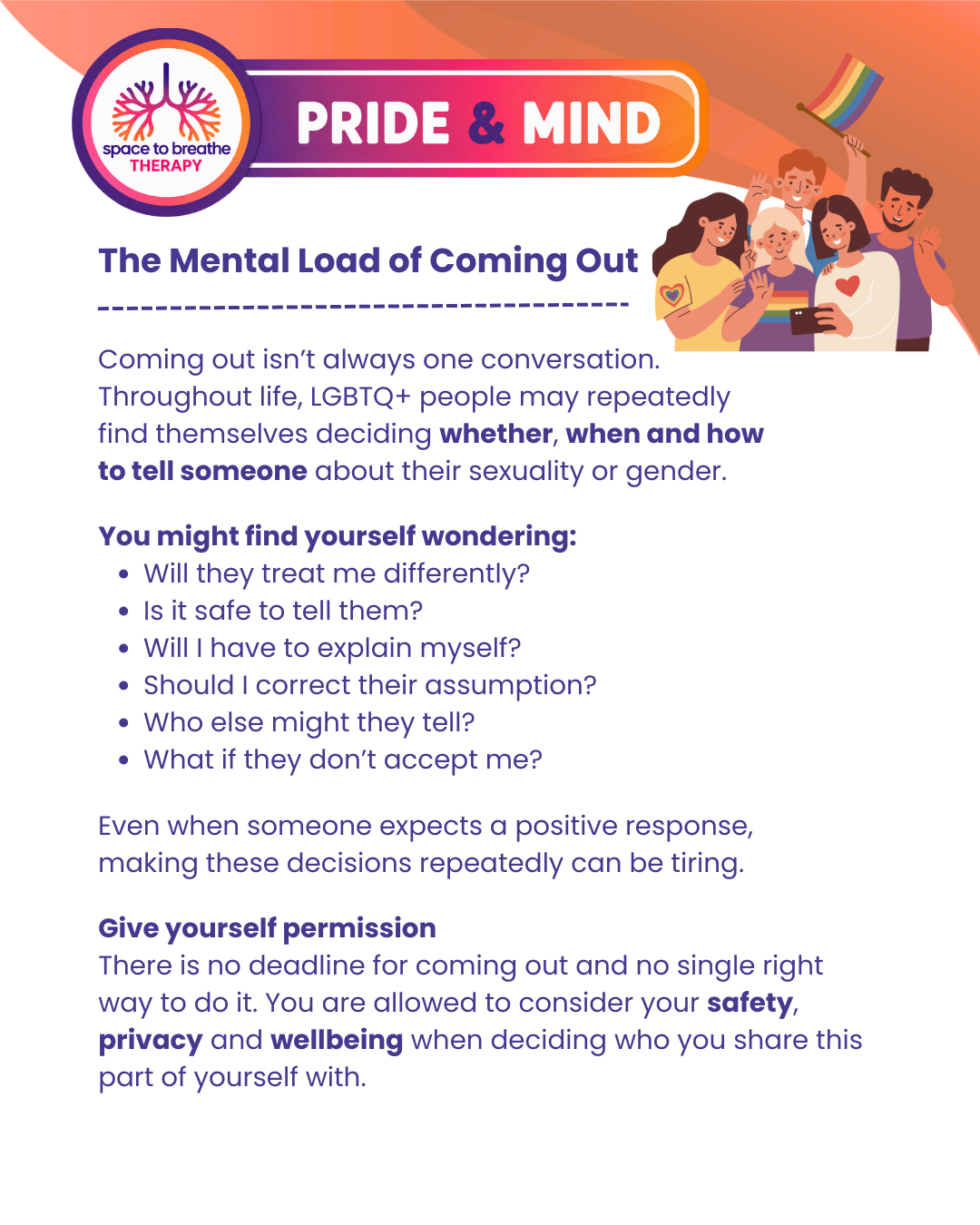
The Mental Load of Coming Out
Coming out is often spoken about as though it is one big moment: you tell people, they know, and it's done.
Coming Out & Choosing Who to Tell
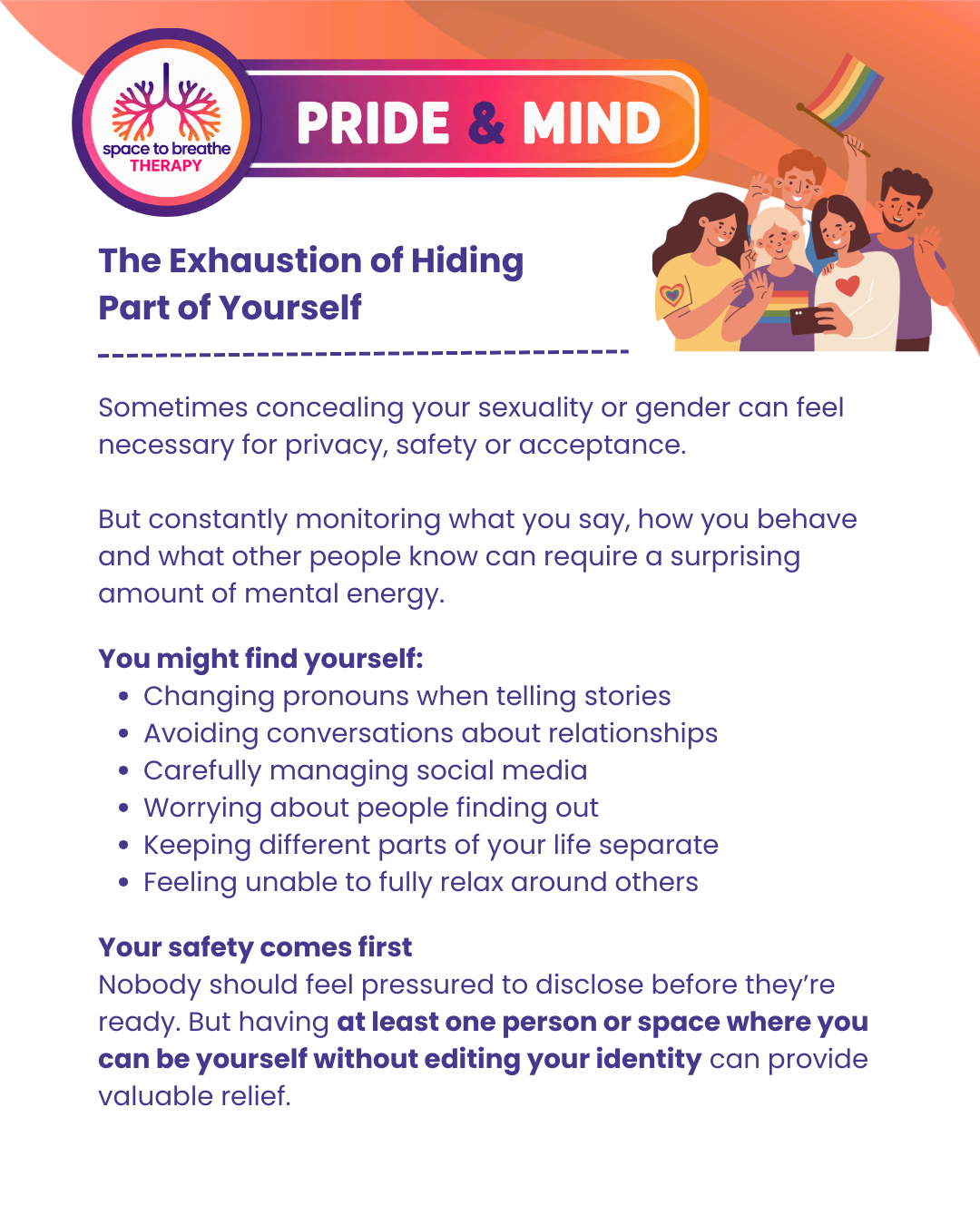
The Exhaustion of Hiding Part of Yourself
Hiding part of who you are can take far more energy than other people realise.
Coming Out & Choosing Who to Tell
Coming Out — or Not
Shame, Stigma & Discrimination - This section explores how shame, stigma and discrimination can affect the lives and wellbeing of LGBTQ+ people. It covers the impact of prejudice and internalised shame, ways to challenge negative messages, and how to build self-acceptance, resilience and connection with supportive communities.
Shame, Stigma & Discrimination
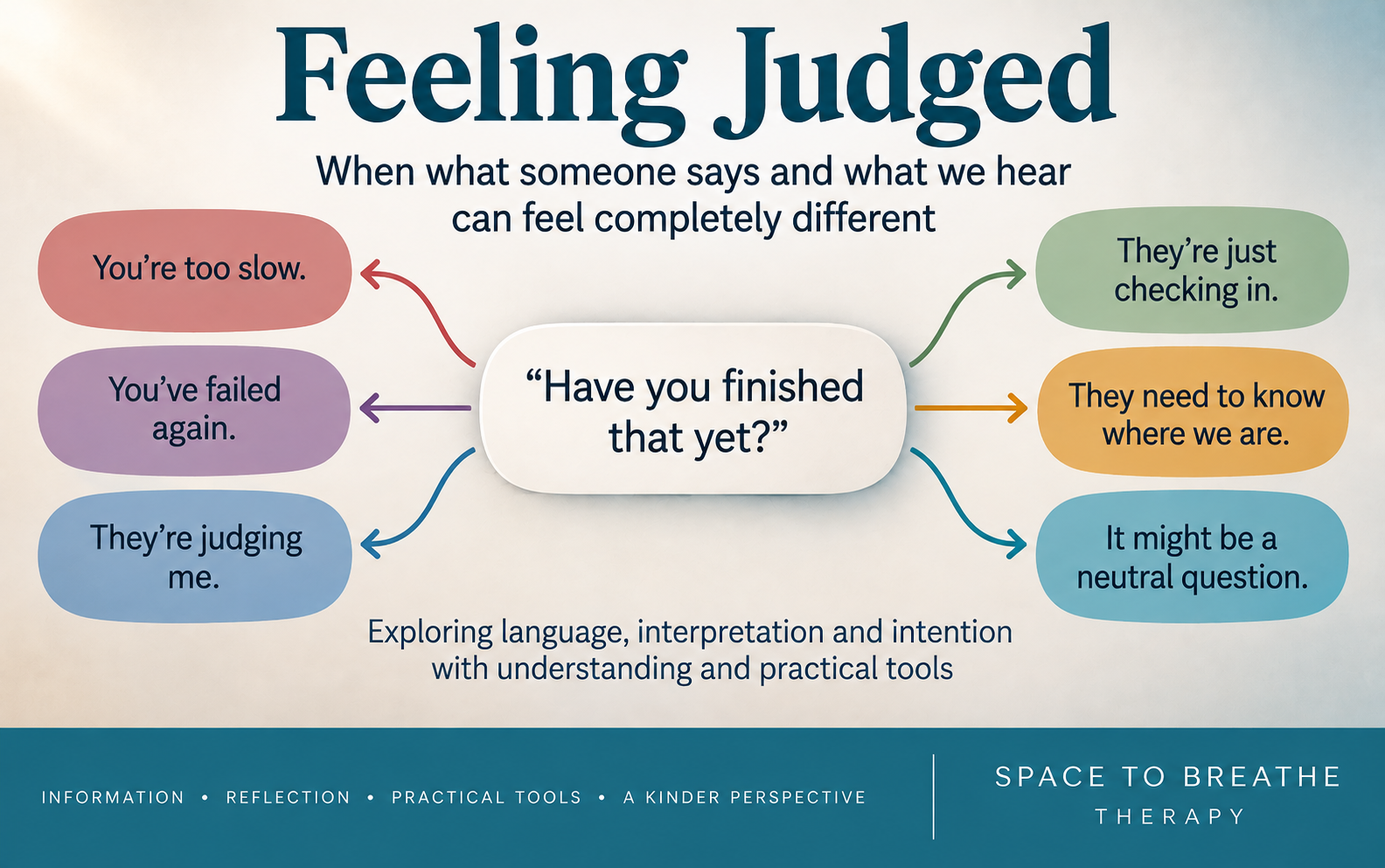
FEELING JUDGED
Shame, Stigma & Discrimination
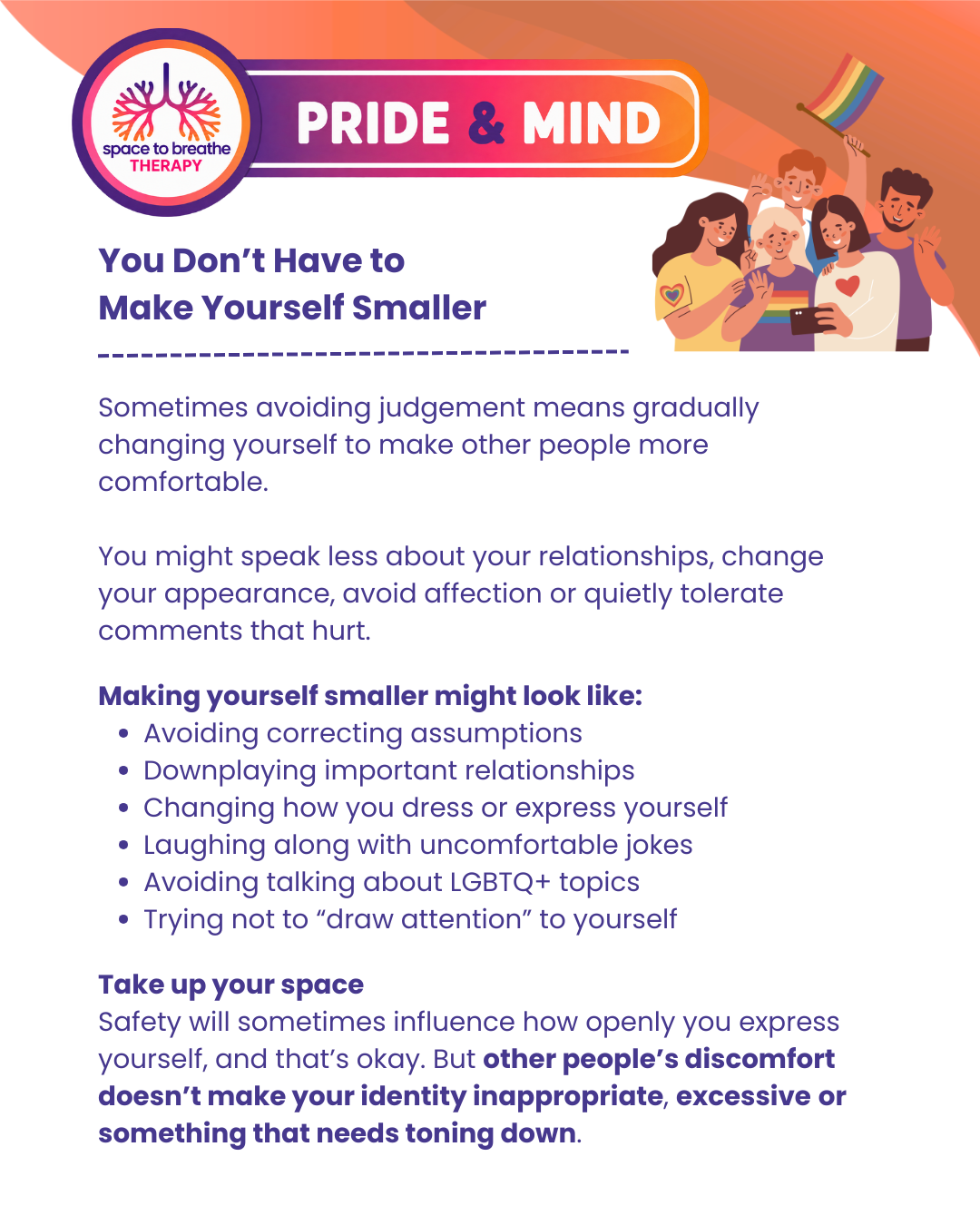
You Don’t Have to Make Yourself Smaller
Sometimes we learn to make ourselves smaller without even realising we're doing it.
Shame, Stigma & Discrimination
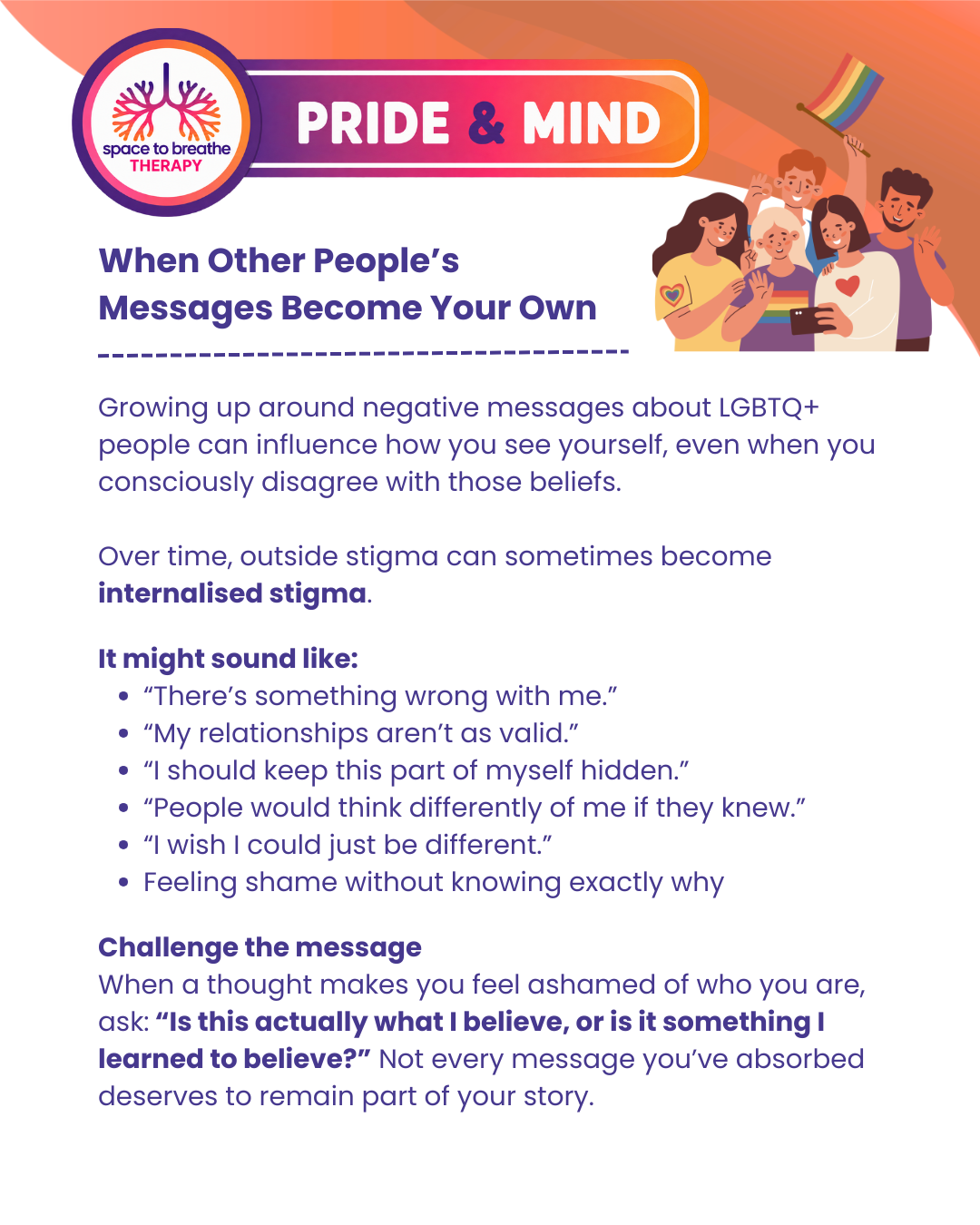
When Other People’s Messages Become Your Own
Sometimes the things we believe about ourselves didn't actually begin with us.
Shame, Stigma & Discrimination
Unlearning Shame Takes Time
Shame can be one of the quieter and more difficult parts of understanding and accepting your LGBTQ+ identity.
Shame, Stigma & Discrimination
It’s Okay If Acceptance Feels Complicated
Self-acceptance is often spoken about as though it is a destination — a place we eventually reach where all the uncertainty disappears and we feel completely comfortable with who we are.
Shame, Stigma & Discrimination
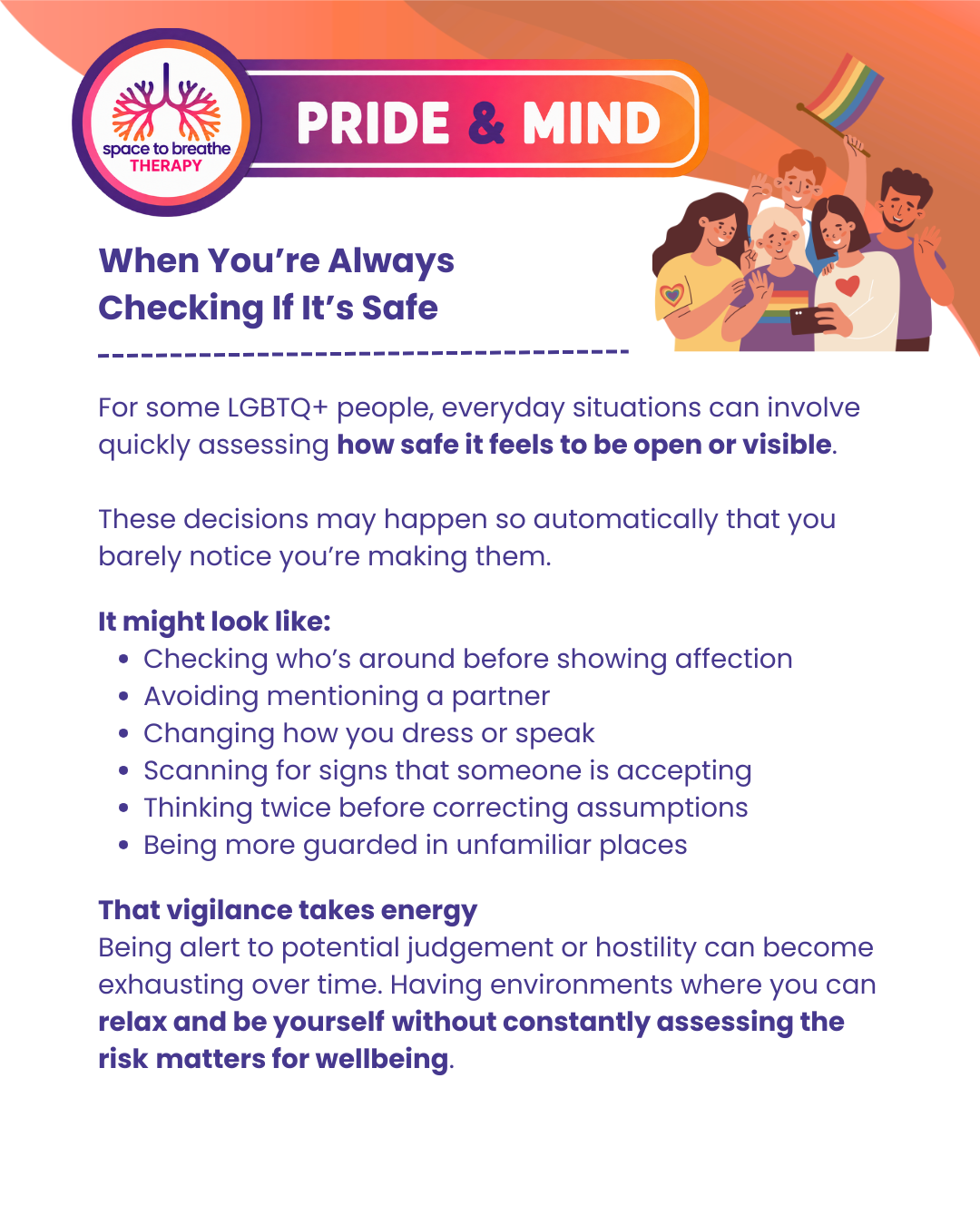
When You’re Always Checking If It’s Safe
For some LGBTQ+ people, simply being themselves in everyday situations can involve a level of thinking and checking that others may never notice.
Shame, Stigma & Discrimination
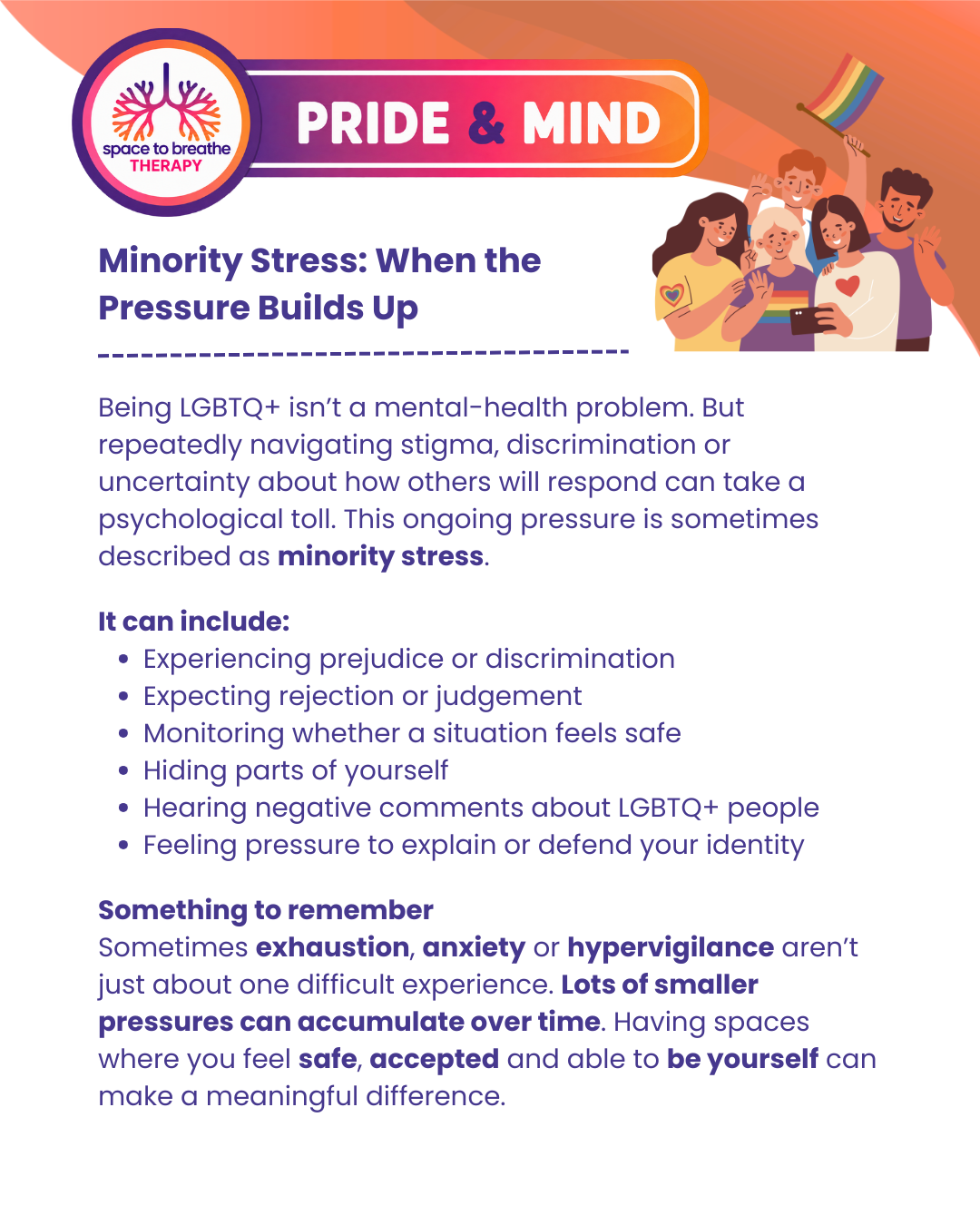
Minority Stress: When the Pressure Builds Up
Being LGBTQ+ is not a mental health problem. But living in a world where you may experience prejudice, discrimination, rejection or uncertainty about how other people will respond to you can create additional emotional pressure.
Shame, Stigma & Discrimination
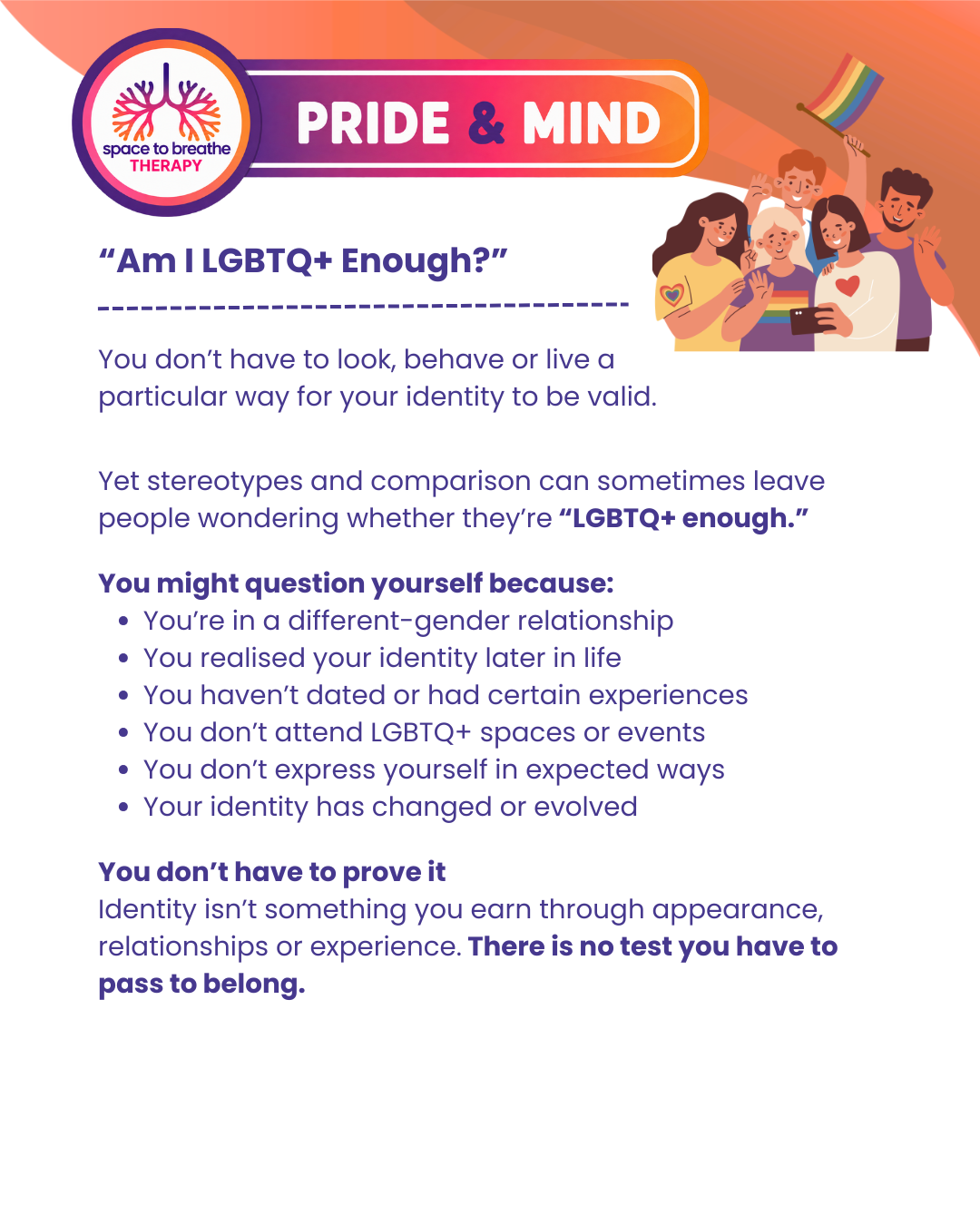
Am I LGBTQ+ Enough?
“Am I LGBTQ+ Enough?”It can be easy to look at other people and wonder whether you somehow fit enough, know enough or have experienced enough to belong within the LGBTQ+ community.
Building Self Confidence - Confidence can grow through self-understanding, supportive environments, and positive connections with others. This page explores ways LGBTQ+ individuals can strengthen self-confidence, celebrate their identity, and feel empowered in expressing who they are.
Thriving as Your Authentic Self
Mental Wellbeing & Resilience

Confidence in Everyday Life
Overcoming Self-Doubt
Understanding LGBTQ+ Self-Confidence
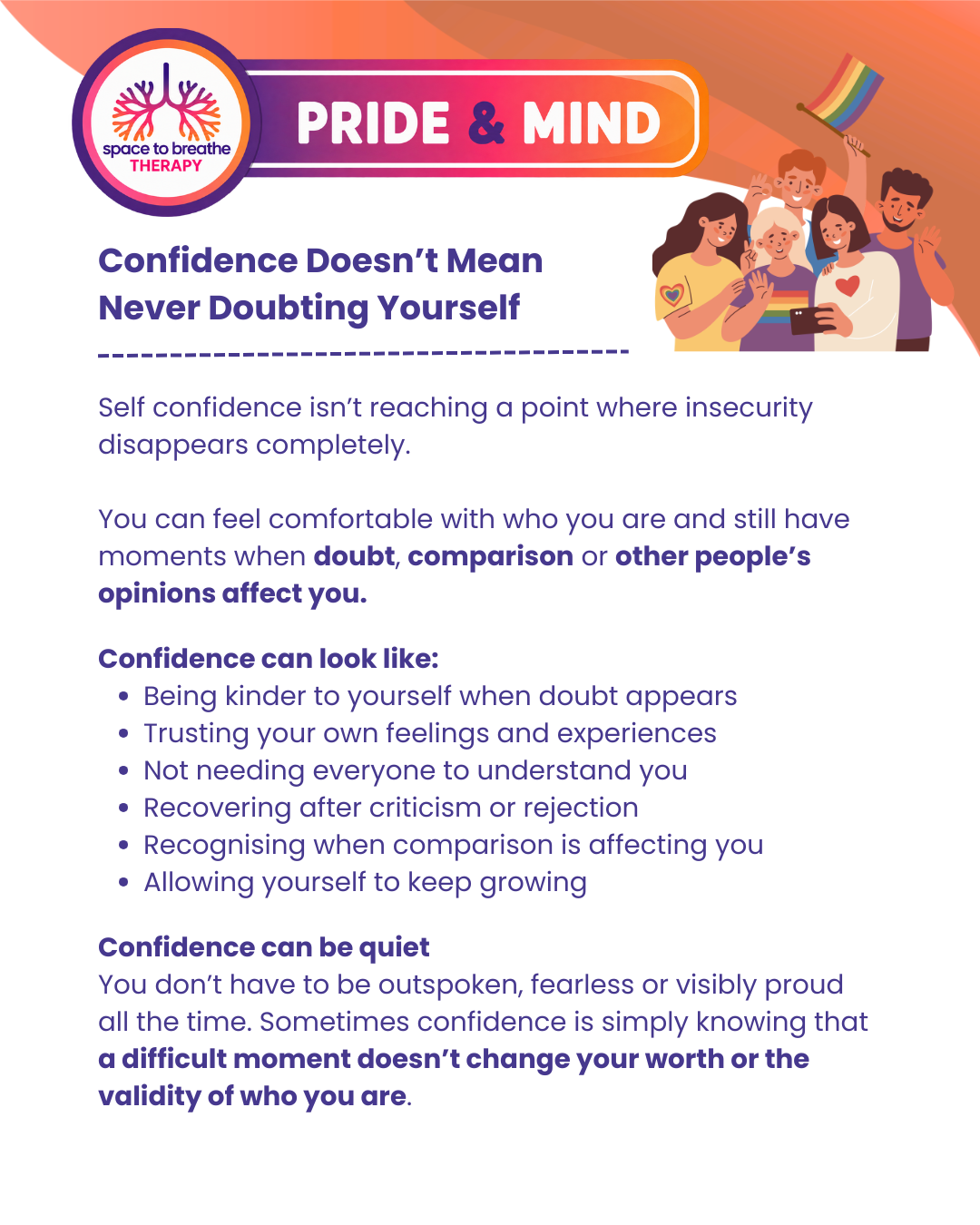
Confidence Doesn’t Mean Never Doubting Yourself
We sometimes imagine confidence as reaching a point where we no longer question ourselves.
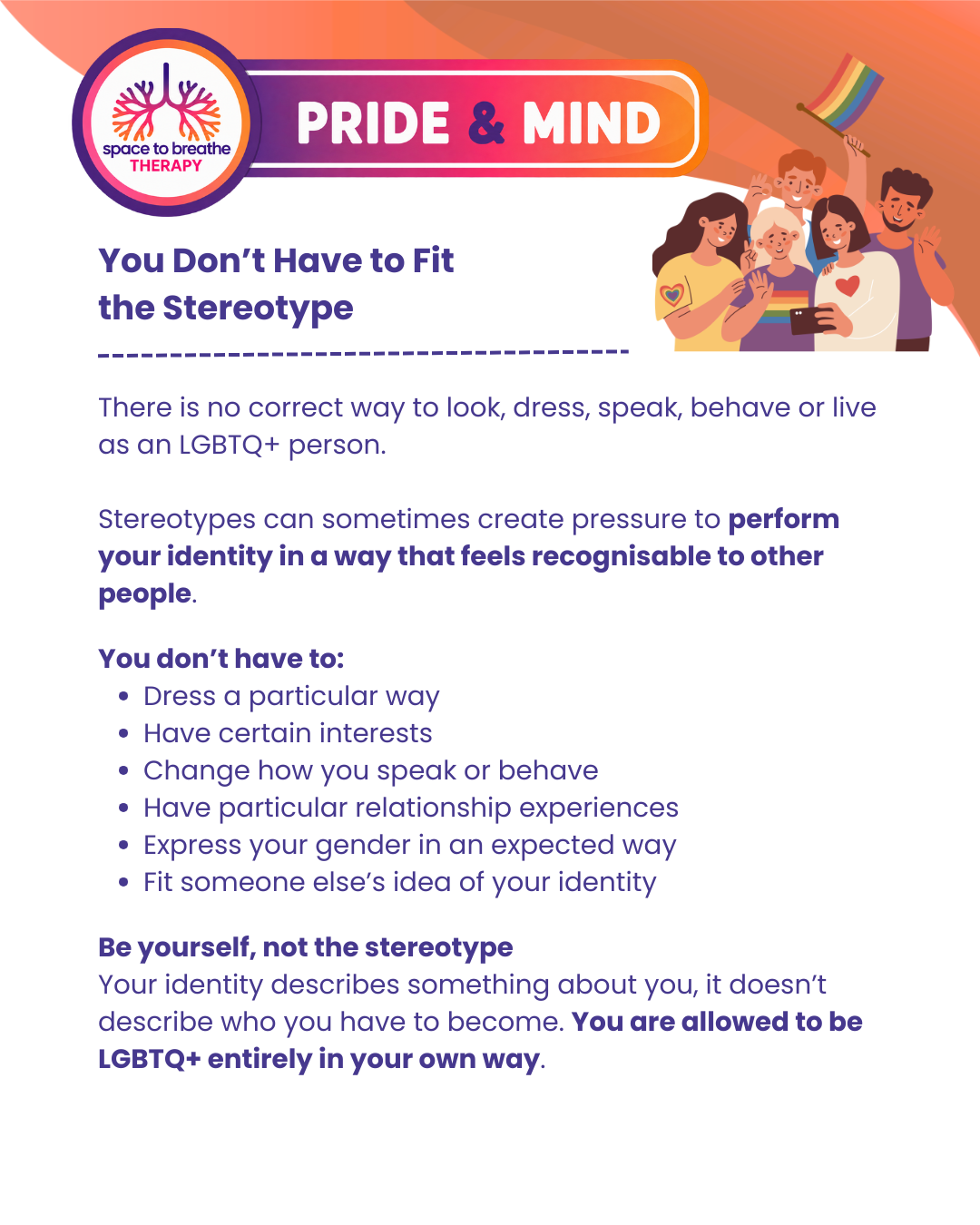
You Don’t Have to Fit the Stereotype
There is no particular way an LGBTQ+ person is supposed to look.
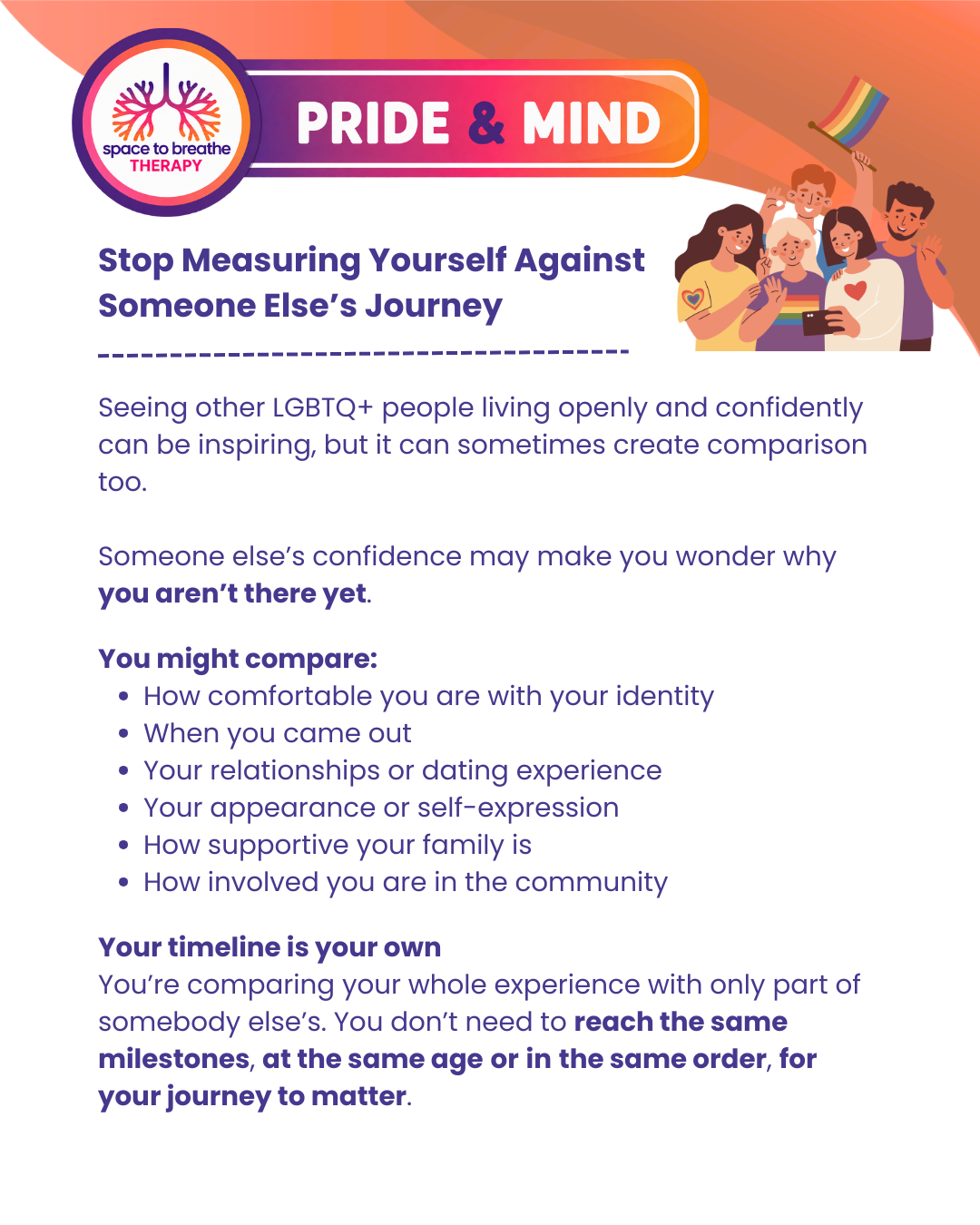
Stop Measuring Yourself Against Someone Else’s Journey
Seeing another LGBTQ+ person living openly and confidently can be wonderful.
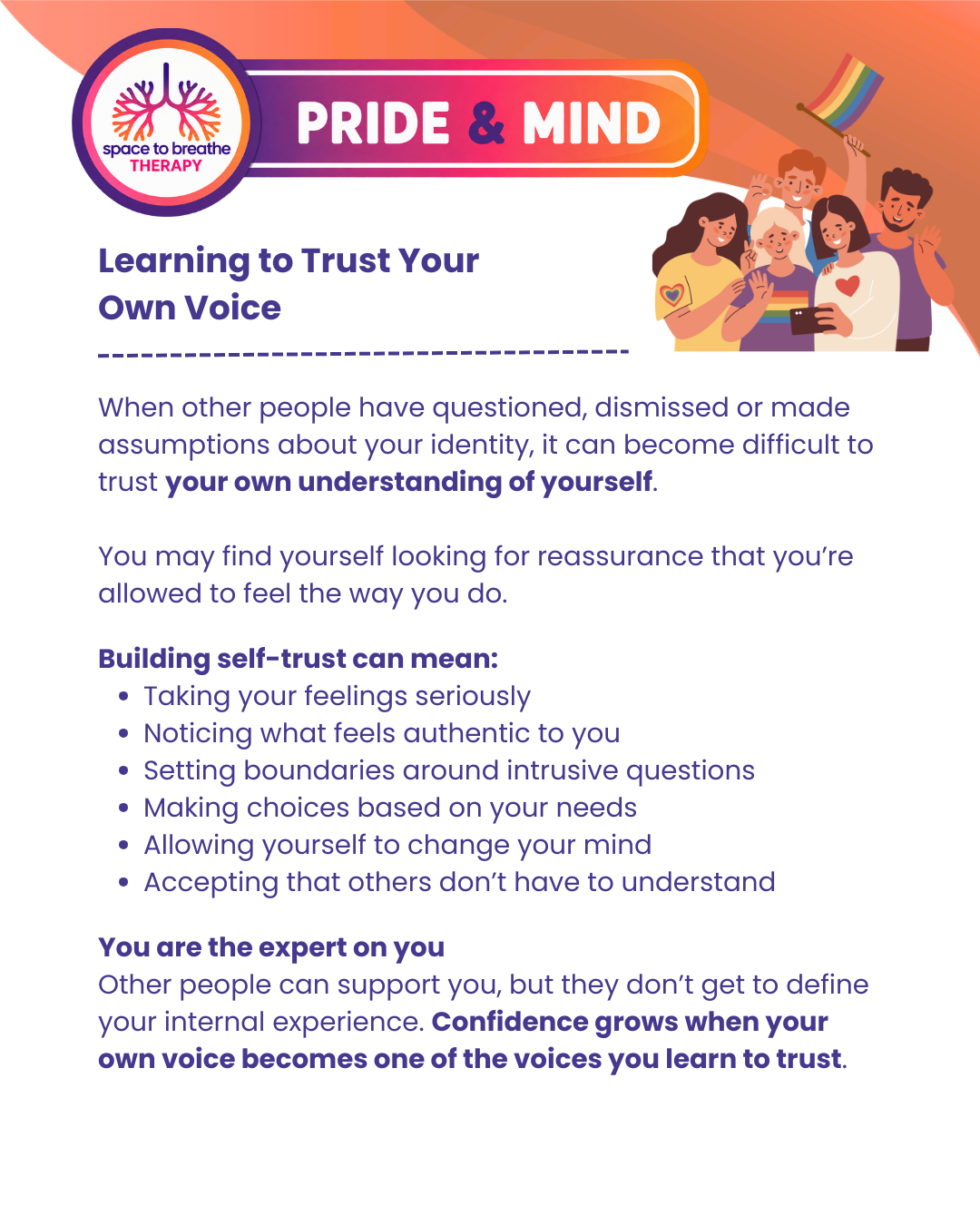
Learning to Trust Your Own Voice
When other people have questioned, dismissed or made assumptions about your LGBTQ+ identity, it can gradually affect the way you trust yourself.
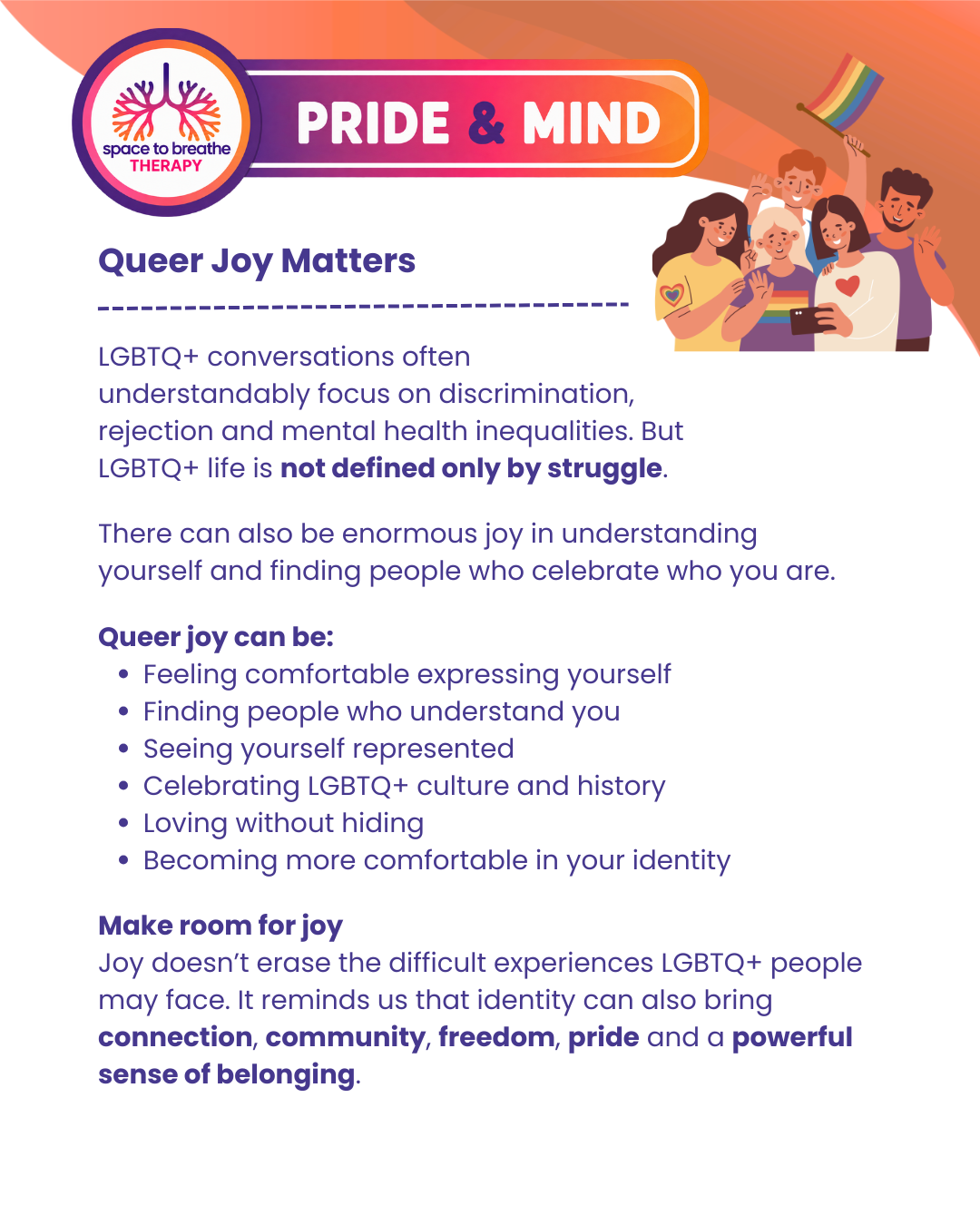
Queer Joy Matters
Conversations about LGBTQ+ mental health often focus on the difficult things: discrimination, rejection, stigma, hiding who you are and the impact these experiences can have on wellbeing.
Relationships & Family - This section explores the relationships that shape LGBTQ+ lives, from partners and dating to parents, siblings and wider family. It covers navigating acceptance and change within families, building healthy and respectful relationships, and LGBTQ+ parenting, helping you nurture the connections that matter most to you.

Healthy Relationships & Boundaries
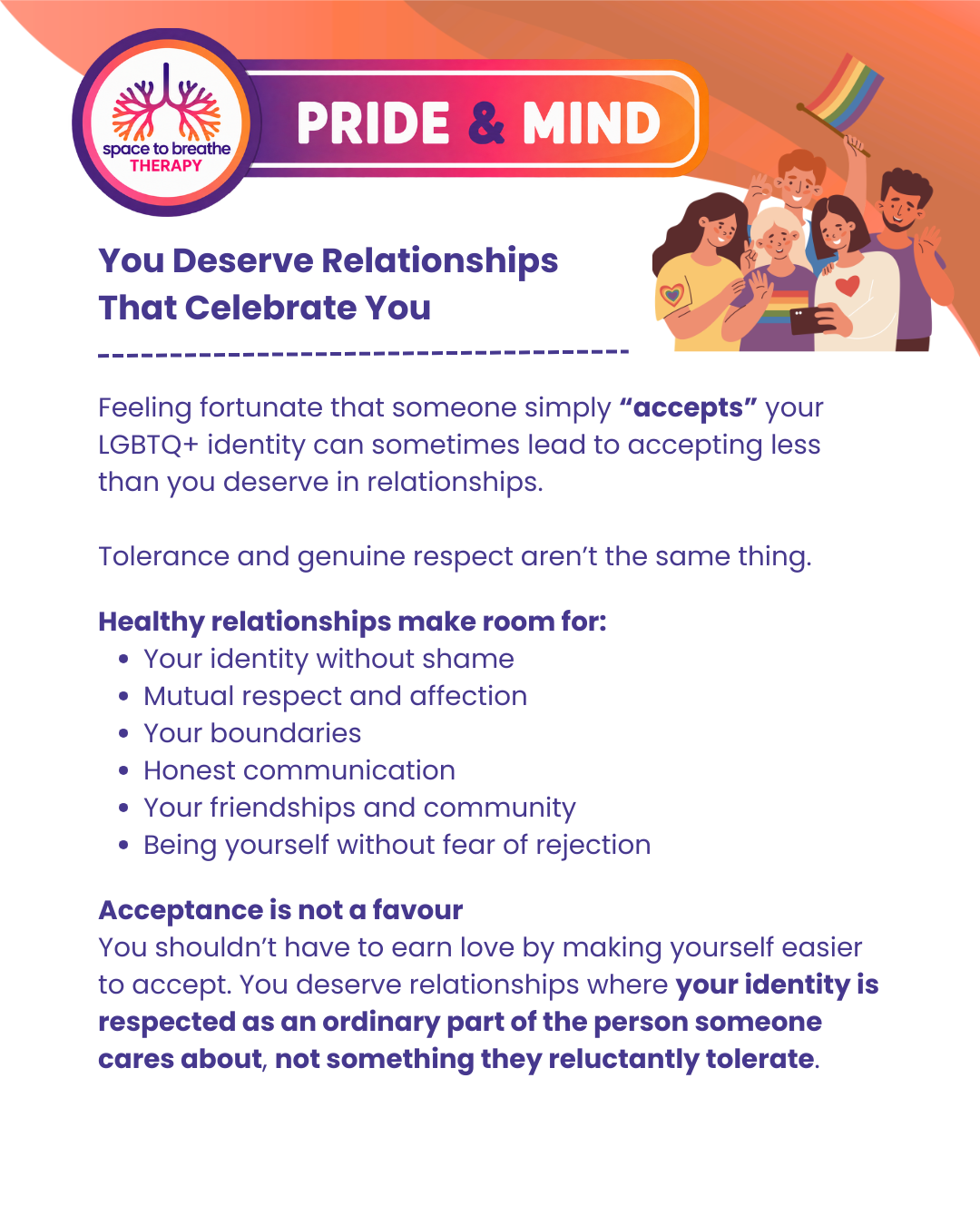
You Deserve Relationships That Celebrate You
When you've experienced rejection, judgement or uncertainty because of your LGBTQ+ identity, simply finding someone who says they accept you can feel enormous.
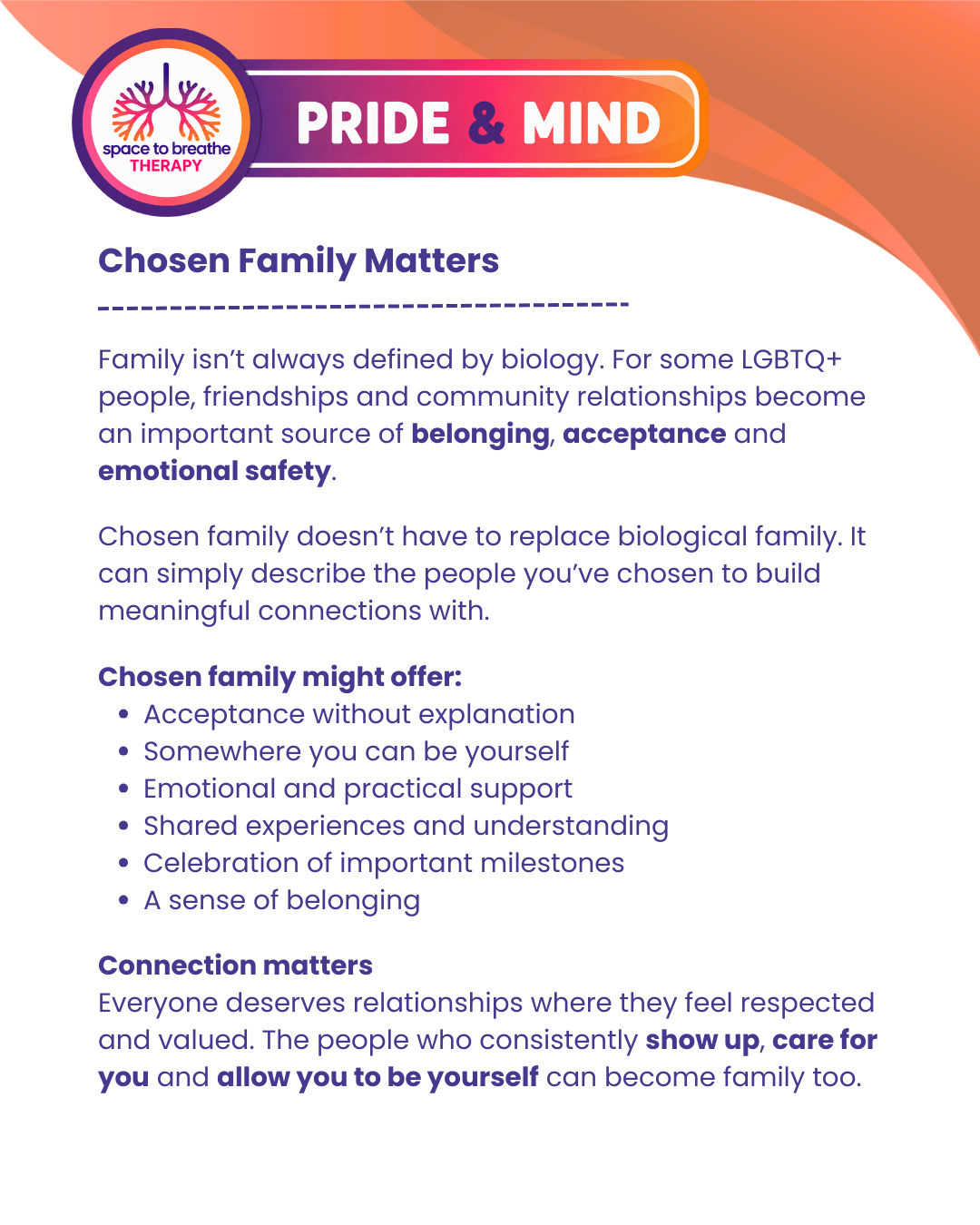
Chosen Family Matters
Family is not always about biology. Sometimes the people who become an important part of our lives are the people we choose — friends, partners, colleagues, neighbours, community members and others who make us feel safe, understood and accepted.
Community & Belonging - This section explores the importance of connection and finding spaces where LGBTQ+ people can feel accepted and understood. It covers building friendships and chosen family, finding local and online communities, and how a sense of belonging can support wellbeing and reduce isolation.
Growing Together
LGBTQ+ Community and Belonging – Article 6
Supporting Each Other
LGBTQ+ Community and Belonging – Article 4
Safe & Inclusive Communities
LGBTQ+ Community and Belonging – Article 3
Building Healthy Friendships
LGBTQ+ Community and Belonging – Article 2
Why Community Matters
LGBTQ+ Community and Belonging – Article 1
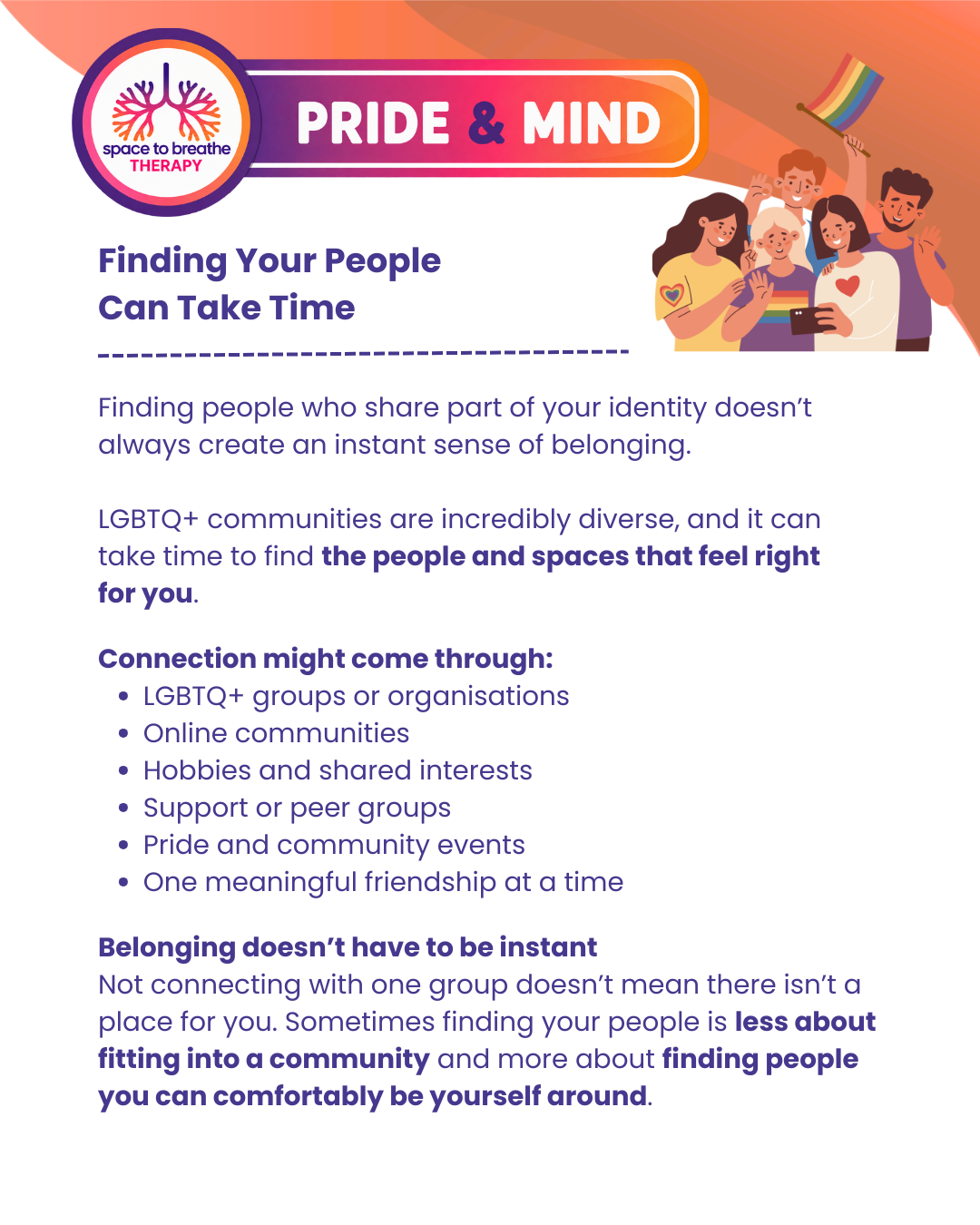
Finding Your People Can Take Time
Finding people who share your identity can be incredibly meaningful, particularly if you've spent a long time feeling different, misunderstood or as though you've had to hide parts of yourself.
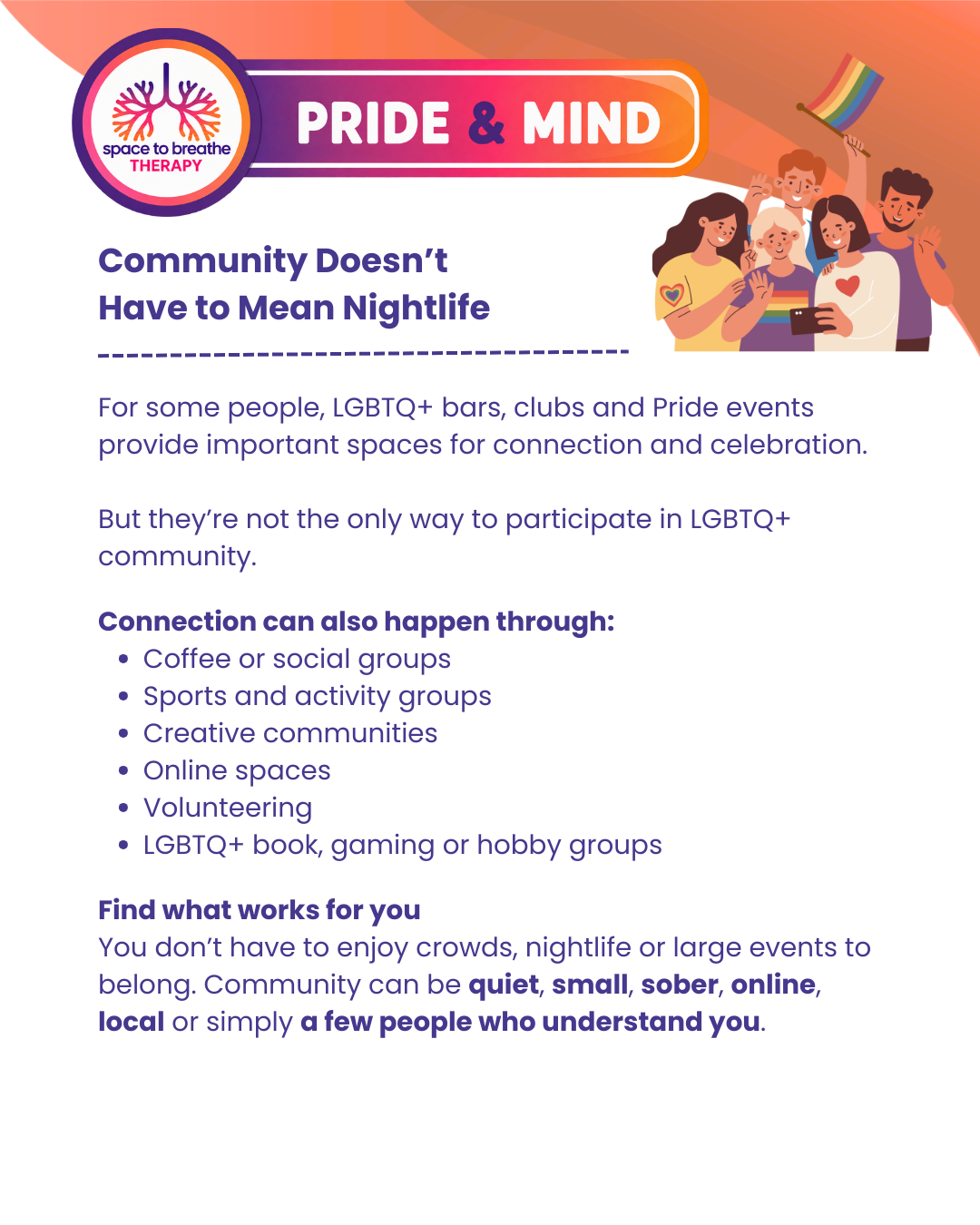
Community Doesn’t Have to Mean Nightlife
When we talk about LGBTQ+ community, the images we see are often colourful Pride celebrations, busy bars, clubs and large social events.
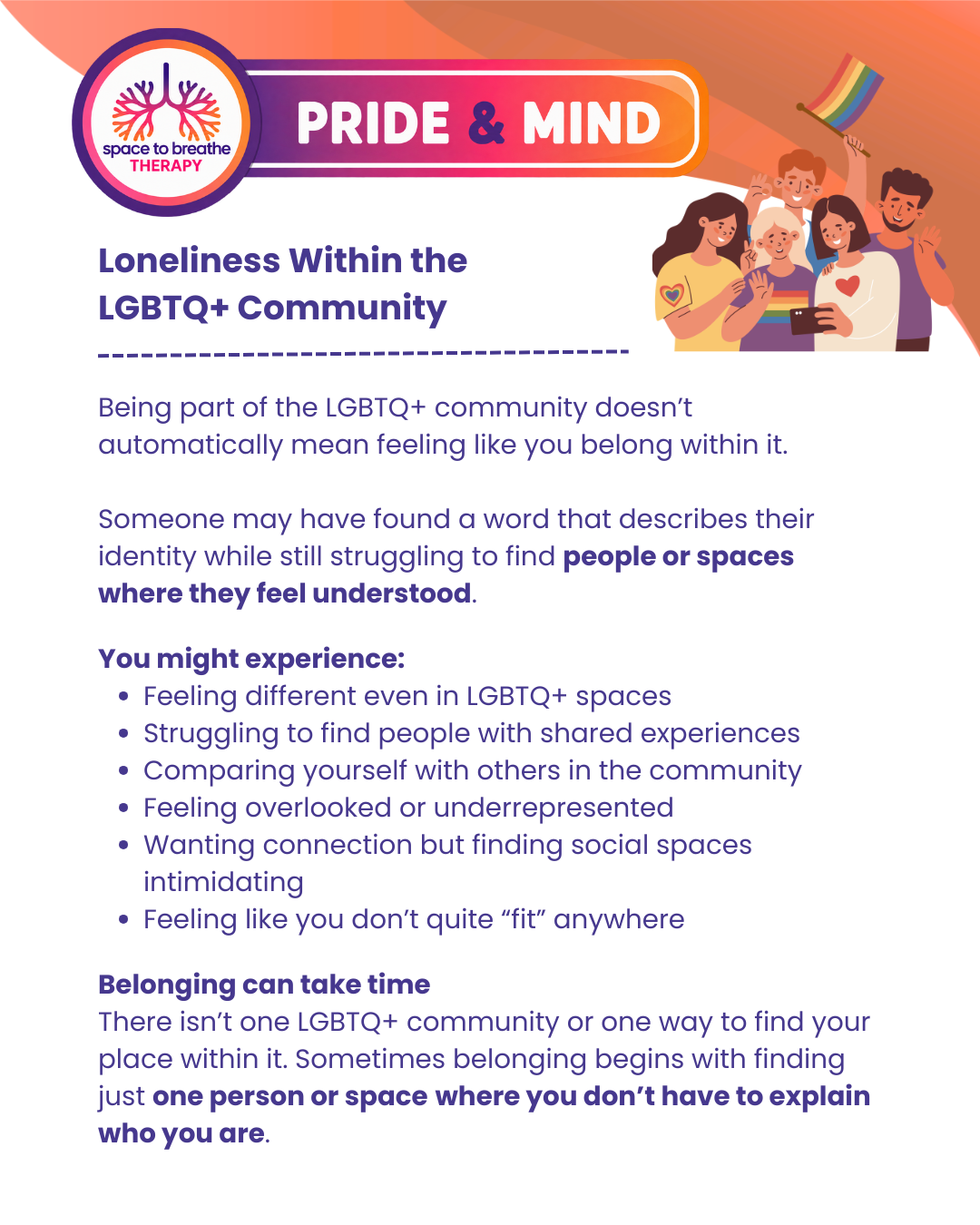
Loneliness Within the LGBTQ+ Community
Finding a word that describes your identity can bring relief and understanding, but it doesn't necessarily mean you immediately find a community where you feel at home.
For Families & Allies - This section is for parents, relatives, friends and colleagues who want to support the LGBTQ+ people in their lives. It covers how to respond with acceptance when someone comes out, using inclusive language, learning about identities you may be less familiar with, and standing up against prejudice as an ally.
Being an Ally
Understanding LGBTQ+ – Article 6
Becoming an Ally
LGBTQ+ Community and Belonging – Article 5
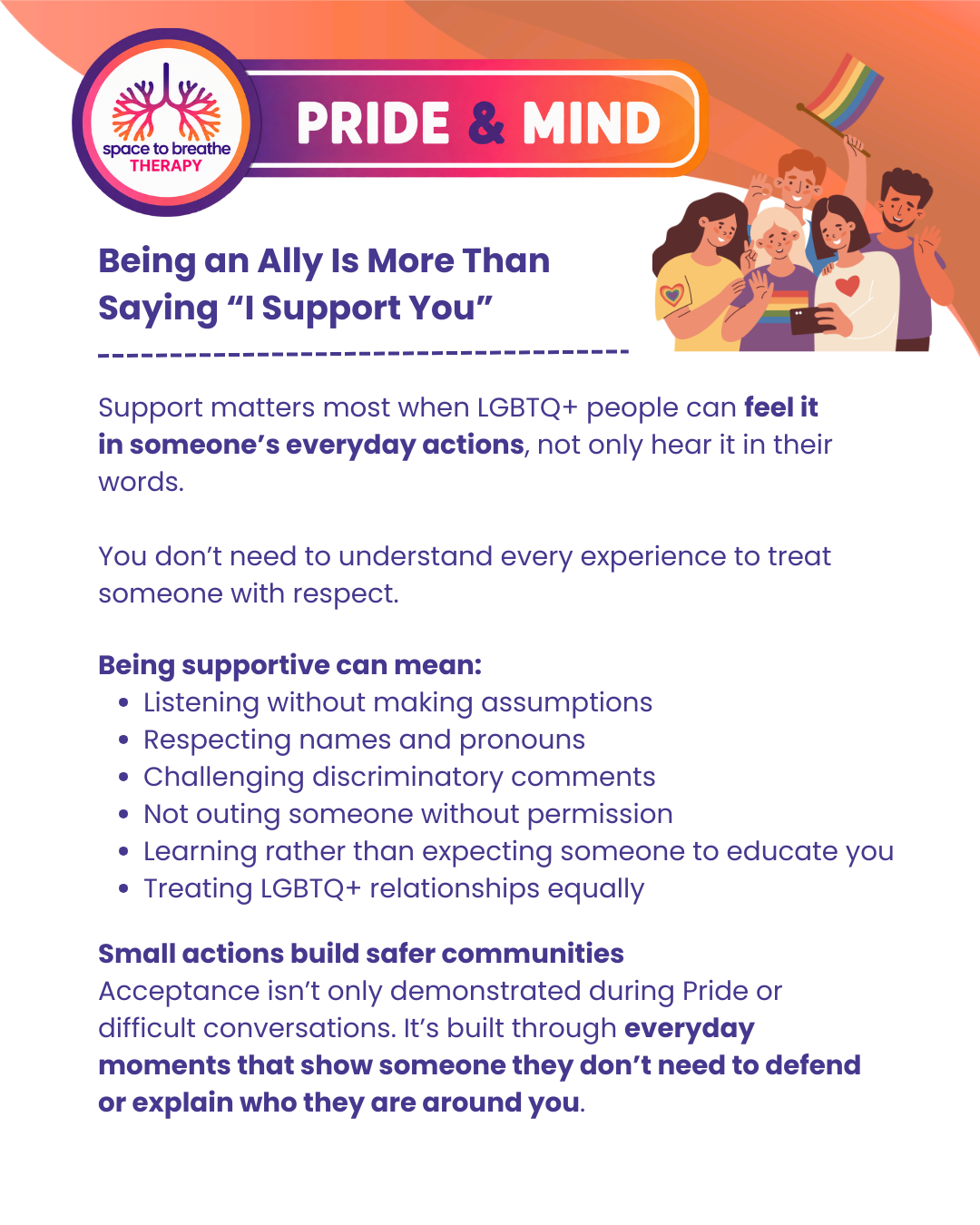
Being an Ally Is More Than Saying “I Support You
Being an ally is not about having all the answers, understanding every LGBTQ+ identity perfectly or never making a mistake.
Interactive Activities & Reflection - This section offers interactive activities, journaling prompts and reflective exercises to help you explore your identity, feelings and experiences at your own pace. They provide a gentle, creative space to check in with yourself, celebrate who you are and make sense of what matters to you.
Interactive Activities & Reflection
THE THOUGHT WALL
Interactive Activities & Reflection

THE UNSAID WALL
Interactive Activities & Reflection
THE FEELING WALL
Interactive Activities & Reflection
My Safe Spaces Map
You decide where, when and with whom you share different parts of yourself.
Interactive Activities & Reflection
Letter To My Future Self
You are allowed to grow without having everything figured out.
Interactive Activities & Reflection
What's Your Pride Playlist?
There is no right soundtrack for being yourself.
Books, Stories & Personal Perspectives - This section brings together recommended reading, real-life stories and personal reflections from across the LGBTQ+ community. They offer a chance to see your own experiences reflected, learn from others’ journeys, and discover the many different ways LGBTQ+ people live, love and thrive.
Books, Stories & Personal Perspectives
I Thought Everyone Was Looking
LGBTQ+ Real Experience – Shared Anonymously
Books, Stories & Personal Perspectives
I Changed the Pronouns
GBTQ+ Real Experience – Shared Anonymousl
Downloads - This section provides downloadable resources designed to support LGBTQ+ wellbeing, self-reflection, and community connection. These may include self-acceptance exercises, confidence-building worksheets, identity reflection prompts, supportive conversation guides, and tools that help individuals explore their identity in a safe and personal way.
These resources aim to encourage self-understanding, strengthen confidence, and help individuals feel supported in their personal journeys.
SELF-ESTEEM THOUGHT RECORD
MY SELF-HARM DIARY AND SAFETY PLA
SELF-HARM SUPPORT WALLET CARDS
STOPP FIVE-COLUMN PRACTICE SHEET
Preparing for a Mental Health Appointment
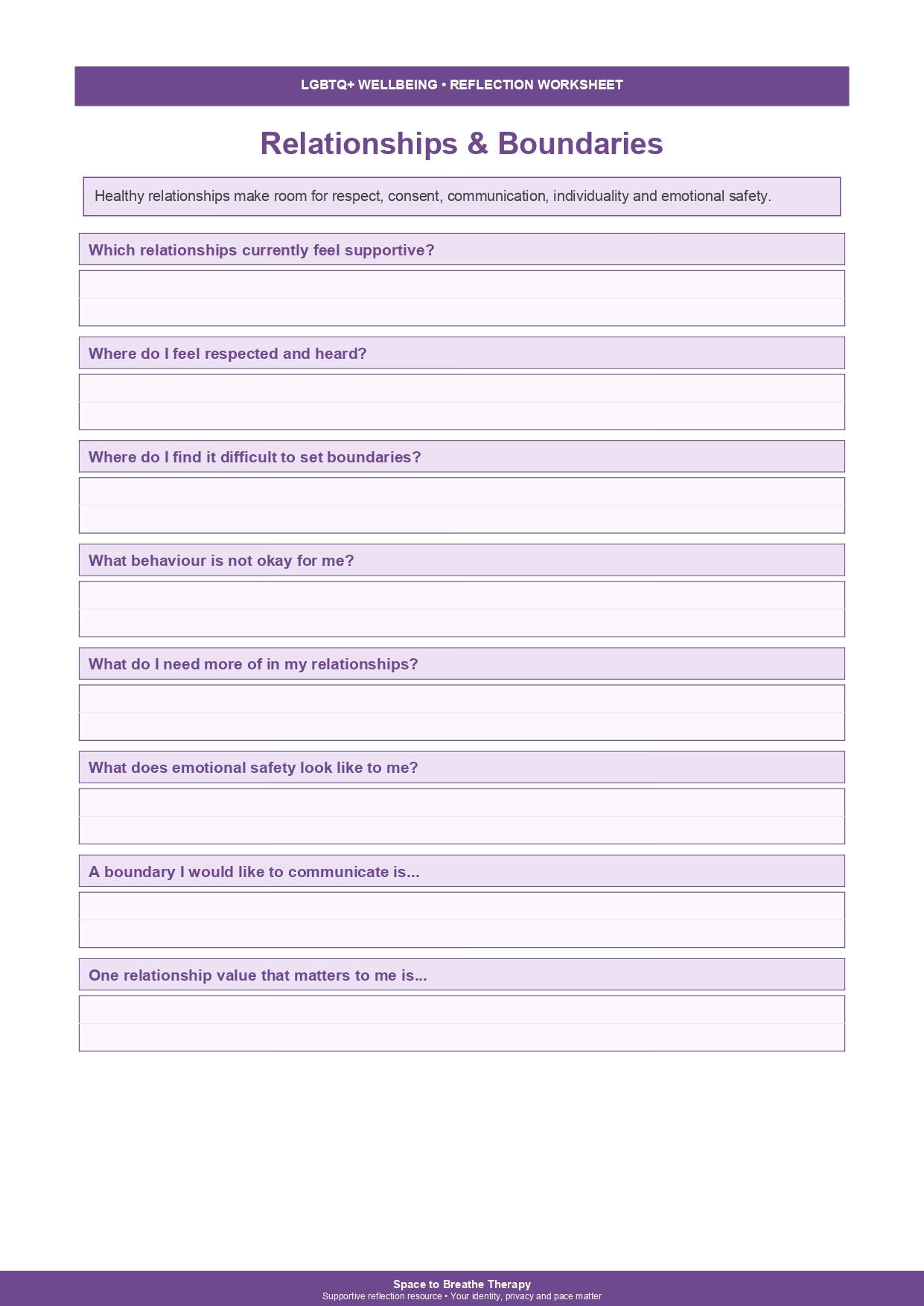
Relationships & Boundaries
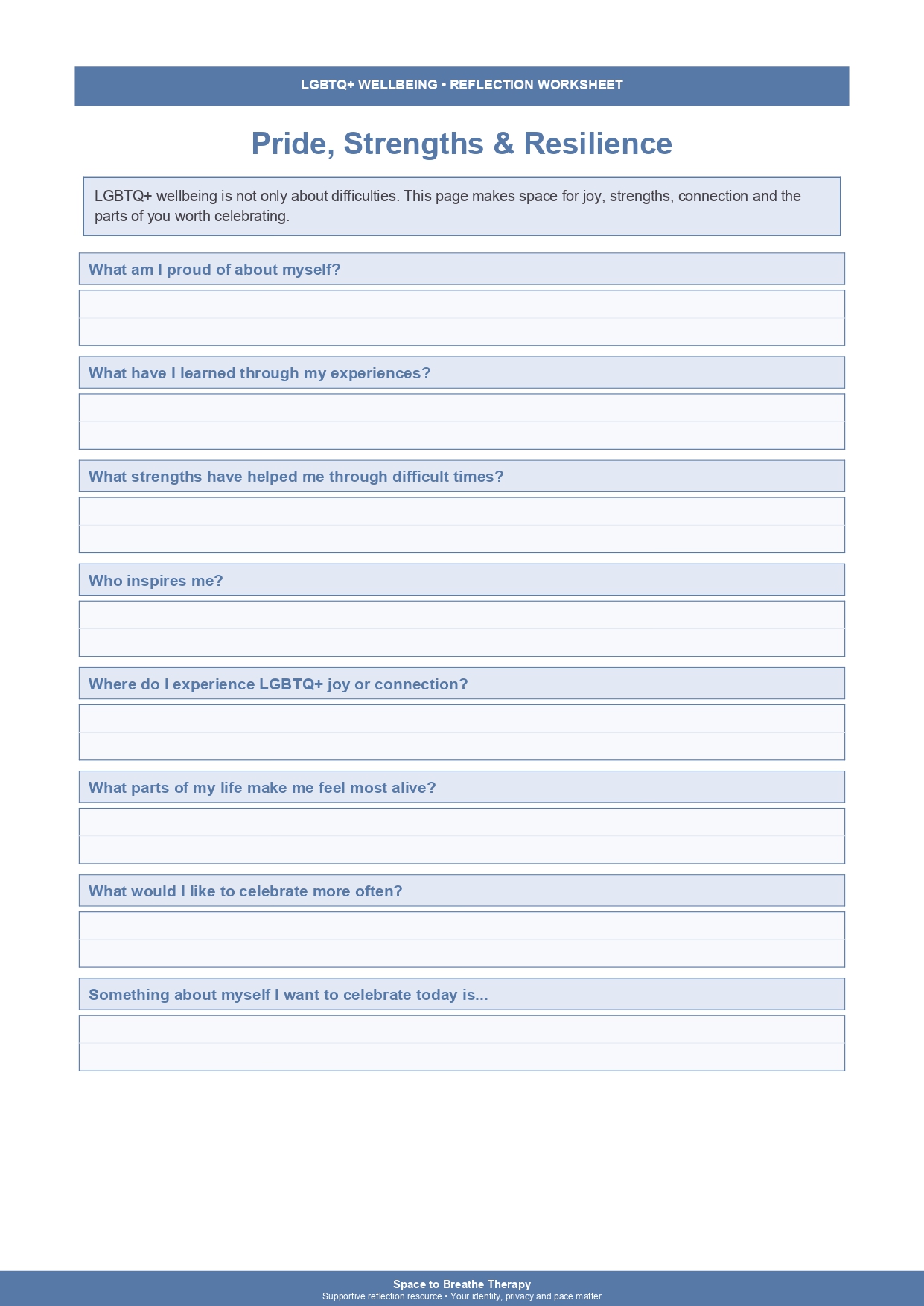
Pride, Strengths & Resilience
My LGBTQ+ Wellbeing Plan
Being Myself at Work or in Education
My LGBTQ+ Support Network
Coping with Discrimination & Minority Stress
Challenging Internalised Stigma
Handling Other People's Reactions
Belonging & Community
My Journey of Self-Acceptance
My Identity, My Way
Coaching - This page provides coaching tailored to the experiences of LGBTQ+ individuals. It explores identity, self-acceptance, and navigating relationships, family, and community with confidence and support.

LET'S TRASH CAN IT

MENTAL HEALTH SUPPORT GROUPS — UK DIRECTORY
The Letter I Never Sent. Saying what was never safe or possible to say
SELF-HARM - A GUIDE FOR FAMILY & LOVED ONES
HEALTH ANXIETY - A GUIDE FOR FAMILY & LOVED ONES
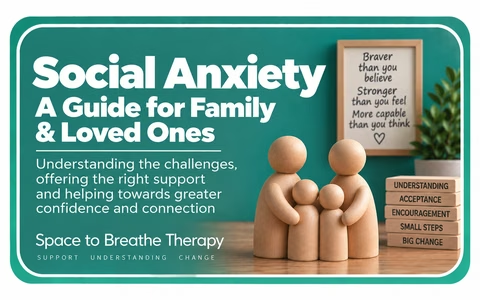
SOCIAL ANXIETY - A GUIDE FOR FAMILY & LOVED ONES

MY PERSONAL SAFETY PLAN
Helping Someone Who Is Struggling
Making a Crisis Support Plan